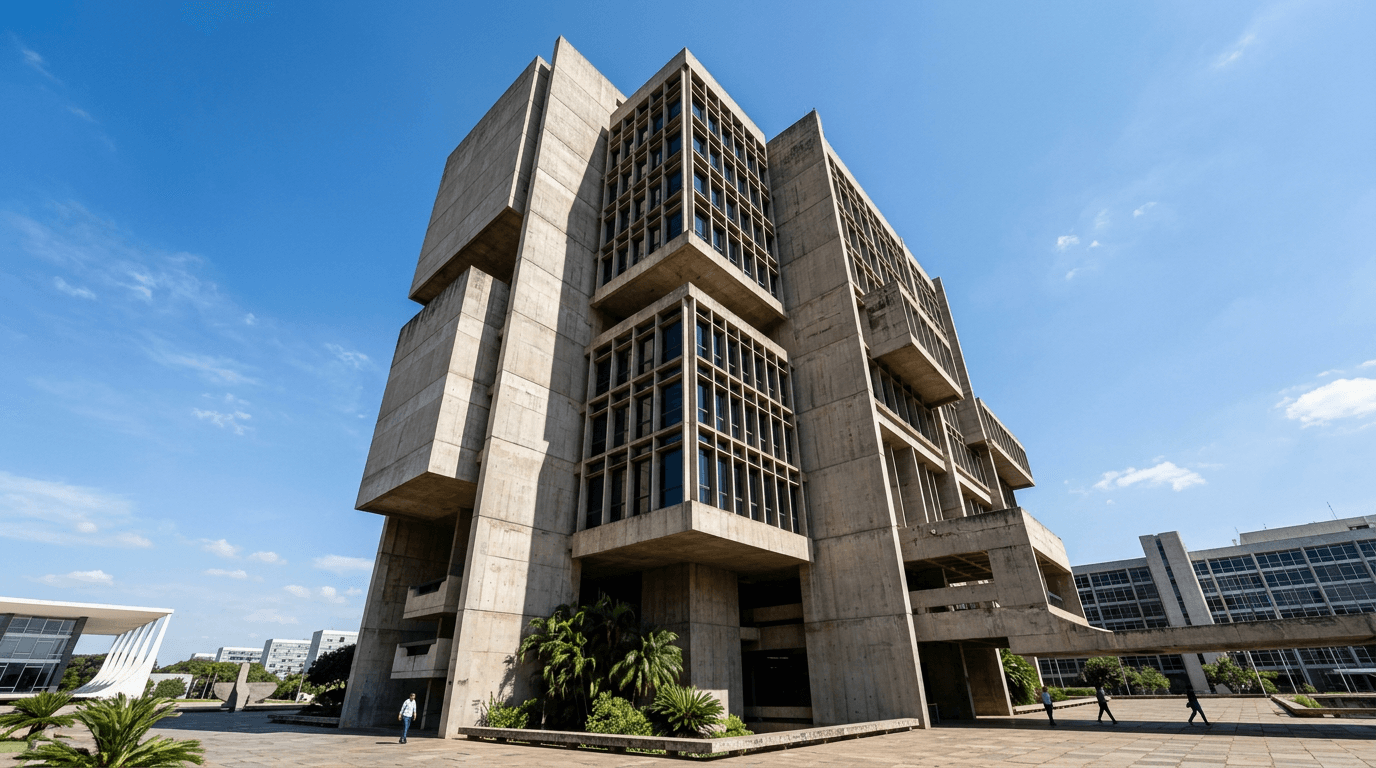
Emerging market funds face headwinds from Brazil's post-election rout
A post-election currency slide and rising fiscal deficit in Brazil are introducing unexpected currency risks for broad emerging market fund investors.
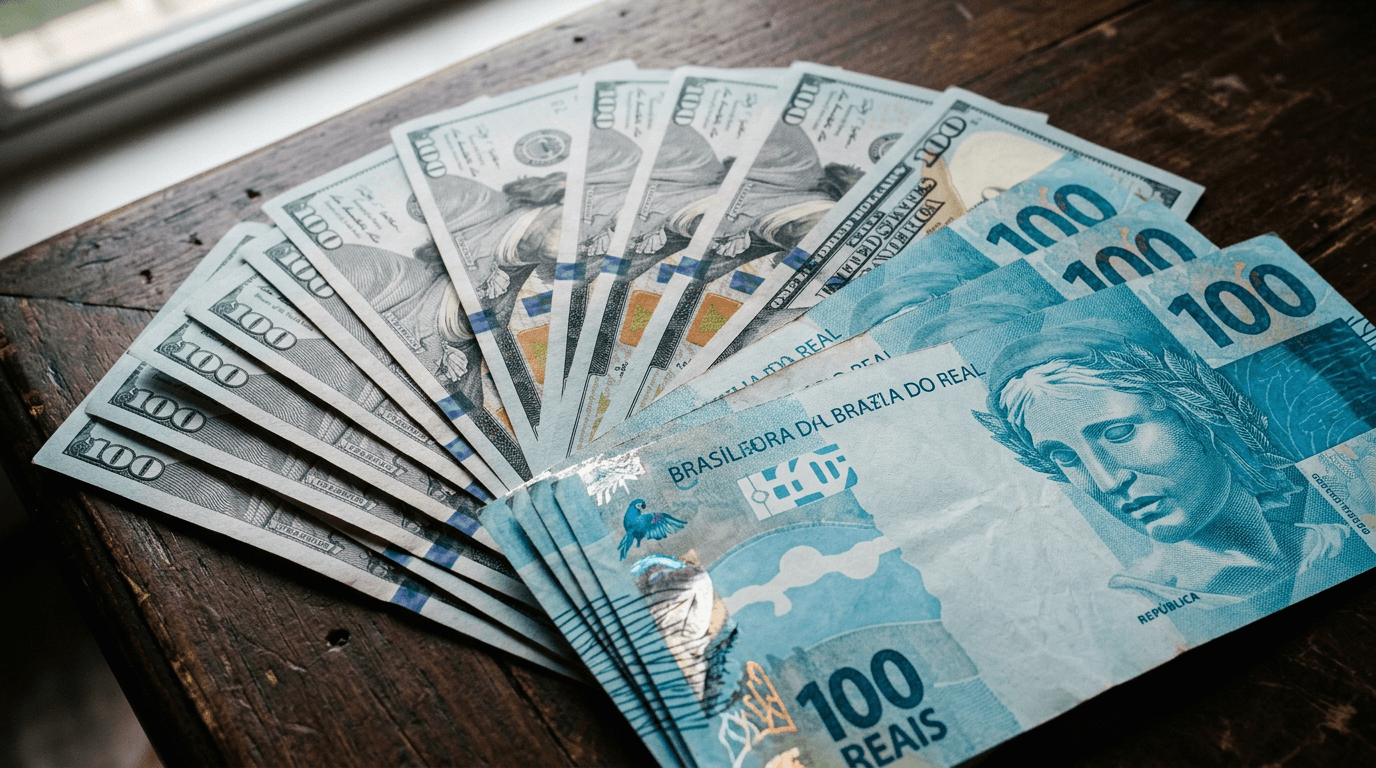
US retail investors holding diversified international assets are facing unexpected currency headwinds following a dramatic post-election market rout in Latin America's largest economy. For global portfolios, the sudden volatility serves as a reminder of how foreign political shifts can directly influence dollar-denominated returns in emerging market funds.
The market turbulence followed Brazil's October 25, 2026, presidential run-off election, in which left-wing incumbent President Luiz Inácio Lula da Silva secured a fourth term by defeating right-wing Senator Flávio Bolsonaro, as confirmed by Brazil's Superior Electoral Court. On October 26, 2026, the first trading day after the vote, the Brazilian real depreciated 8.1% against the US dollar, while the benchmark Ibovespa stock index dropped 13.9%, triggering an automatic 30-minute trading halt on the local exchange, according to market data reported by EBC News.
This sharp currency depreciation has complicated the monetary policy outlook for the Central Bank of Brazil. The bank's Monetary Policy Committee, known as Copom, had previously cut its benchmark Selic rate to 13.75% in September. However, following the election, interest-rate futures shifted toward pricing a potential rate hike, creating a sharp division among market participants over whether the central bank will pause its easing cycle or implement a defensive rate increase at its November 4, 2026, meeting.
A Mounting Debt Burden
The prospect of prolonged high interest rates poses a severe challenge to Brazil's public finances. According to central bank data reported by Reuters on October 29, 2026, Brazil's interest bill reached 8.99% of gross domestic product (GDP) in the 12 months through September 2026. This represents the highest interest burden the country has carried since January 2016, a period when Brazil was mired in a deep economic recession.
Because an increasing share of Brazil’s public debt is directly tied to the benchmark Selic rate, keeping borrowing costs elevated to defend the weakened currency will inevitably inflate the government's debt-servicing costs. This leaves the newly reelected Lula administration with very little fiscal breathing room to fulfill campaign promises without further widening the nominal budget deficit, which stood at 9.51% of GDP over the same 12-month period, according to the central bank data.
For global investors, the immediate focus turns to November 4, 2026, when the central bank will formally announce its rate decision. Analysts are closely watching whether the monetary authority chooses to freeze rates, implement a defensive hike, or proceed with cuts, as the trajectory of the real remains a key variable for the performance of US-listed Brazilian assets.
Understanding the Currency Risk
For US retail investors, this post-election volatility illustrates the structural currency risks inherent in international investing. Broad emerging market exchange-traded funds listed in New York, such as those tracking Latin American or global developing markets, hold underlying assets denominated in local currencies like the Brazilian real. Consequently, a sharp depreciation in the local currency reduces the value of those holdings when translated back into US dollars, independent of the underlying companies' operational performance.