
BYD faces Brazil slowdown as domestic Chinese market cools down
Electric vehicle giant BYD relies on a massive export surge to offset slowing growth in China, but its rapid expansion in Brazil is hitting new roadblocks.
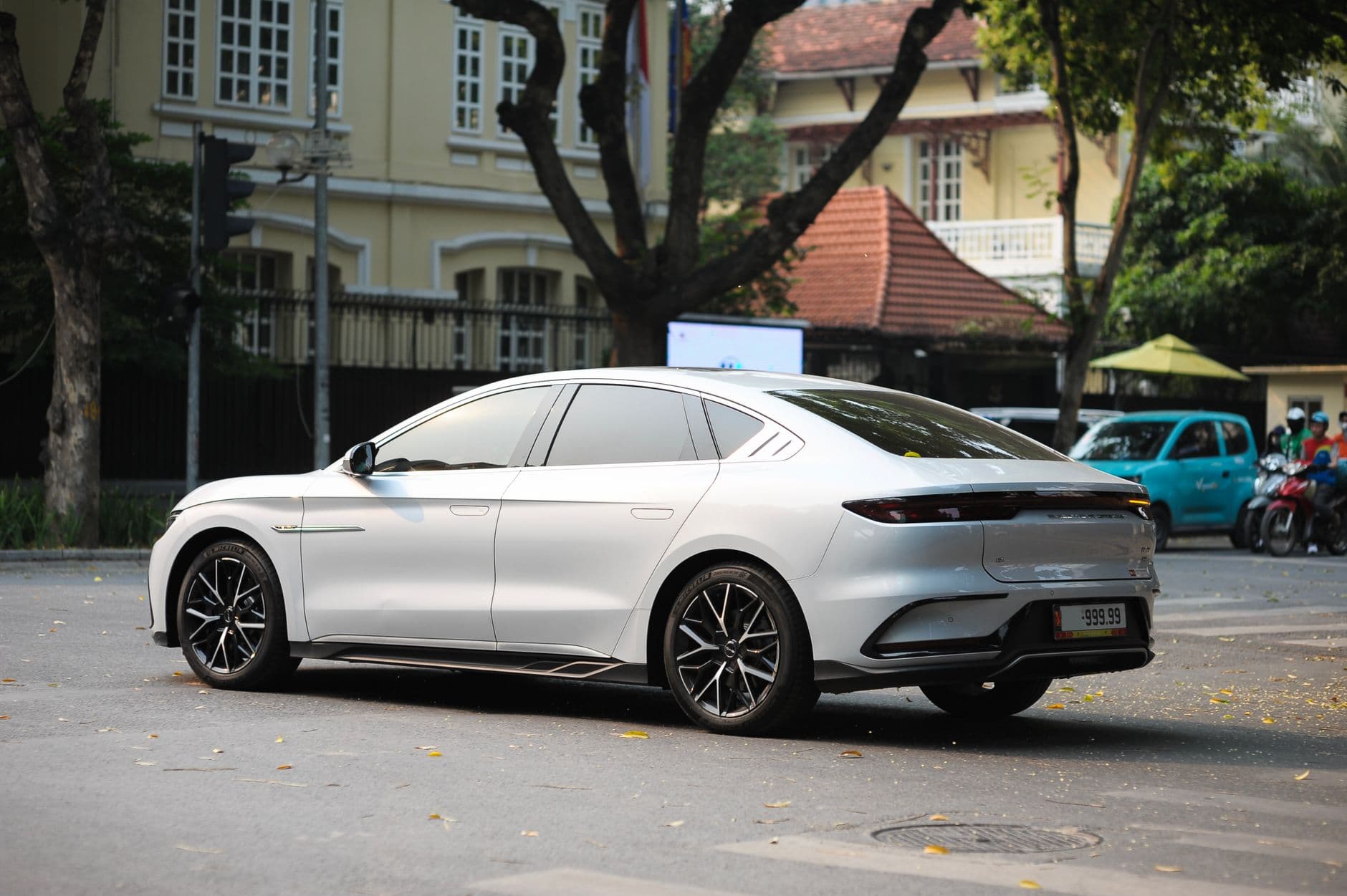
Chinese electric vehicle giant BYD Co. is facing a critical test of its global expansion strategy as softening demand in its home market puts intense pressure on international hubs like Brazil. While the company continues to post record-breaking overall delivery volumes, a noticeable cooling in its domestic growth rate has forced the automaker to rely heavily on massive export surges to sustain its momentum.
BYD’s global sales reached a record 463,561 units in September 2026, but its year-over-year growth slowed to 17%, down from 17.8% in August and 22% in July. This gradual deceleration in its primary market triggered a 2.25% drop in its Hong Kong-listed shares. To offset the weakening domestic demand in China, where local competition is intensifying, BYD’s vehicle exports skyrocketed by 153.9% year-over-year to 179,877 units in September.
This export push makes Brazil a vital battleground for the company. Brazil is currently BYD's largest market outside of China and the anchor of its Latin American operations. The company has invested heavily in the country, including transforming a former Ford industrial complex in Camaçari, Bahia, into its largest electric and hybrid vehicle manufacturing plant in Latin America. However, maintaining its aggressive expansion in the South American nation is proving increasingly difficult as traditional automakers mount a fierce counteroffensive.
In Brazil’s highly competitive retail market, BYD fell to third place in September 2026 with 14,947 vehicle registrations. The drop ended a four-month retail leadership streak, with the Chinese automaker losing the top spots to European giants Volkswagen (16,627 registrations) and Fiat (15,540 registrations). The slip in rankings occurred as sales of BYD's popular Dolphin model, which had previously taken the Brazilian market by storm, began to cool.
The slowdown comes at a delicate time for the electric vehicle segment in Brazil. The federal government, led by President Luiz Inácio Lula da Silva, has been gradually restoring import tariffs on hybrid and electric vehicles to protect local manufacturing and encourage domestic industrialization. While BYD’s upcoming local production in Bahia is designed to bypass these trade barriers, the transition phase leaves the company exposed to both regulatory shifts and a highly reactive consumer base that is still warming up to electric mobility.
What it touches
The shifting dynamics of BYD's global sales directly impact its American Depositary Receipts (ADRs) traded in the US under the ticker BYDDY. The automaker's ability to defend its market share in Brazil against traditional giants like Stellantis (which owns Fiat) and Volkswagen will closely dictate its long-term valuation. Furthermore, BYD's performance is a bellwether for global lithium demand, directly affecting Latin American mining players like Sigma Lithium (NASDAQ: SGML).