
Brazil’s High-End Warehouse Vacancy Hits Historic Low as E-Commerce Drives Record Demand
Brazil's logistics real estate vacancy rate fell to 5.5% in H1 2026, pushing average rents past R$30/sqm, primarily driven by e-commerce giants.
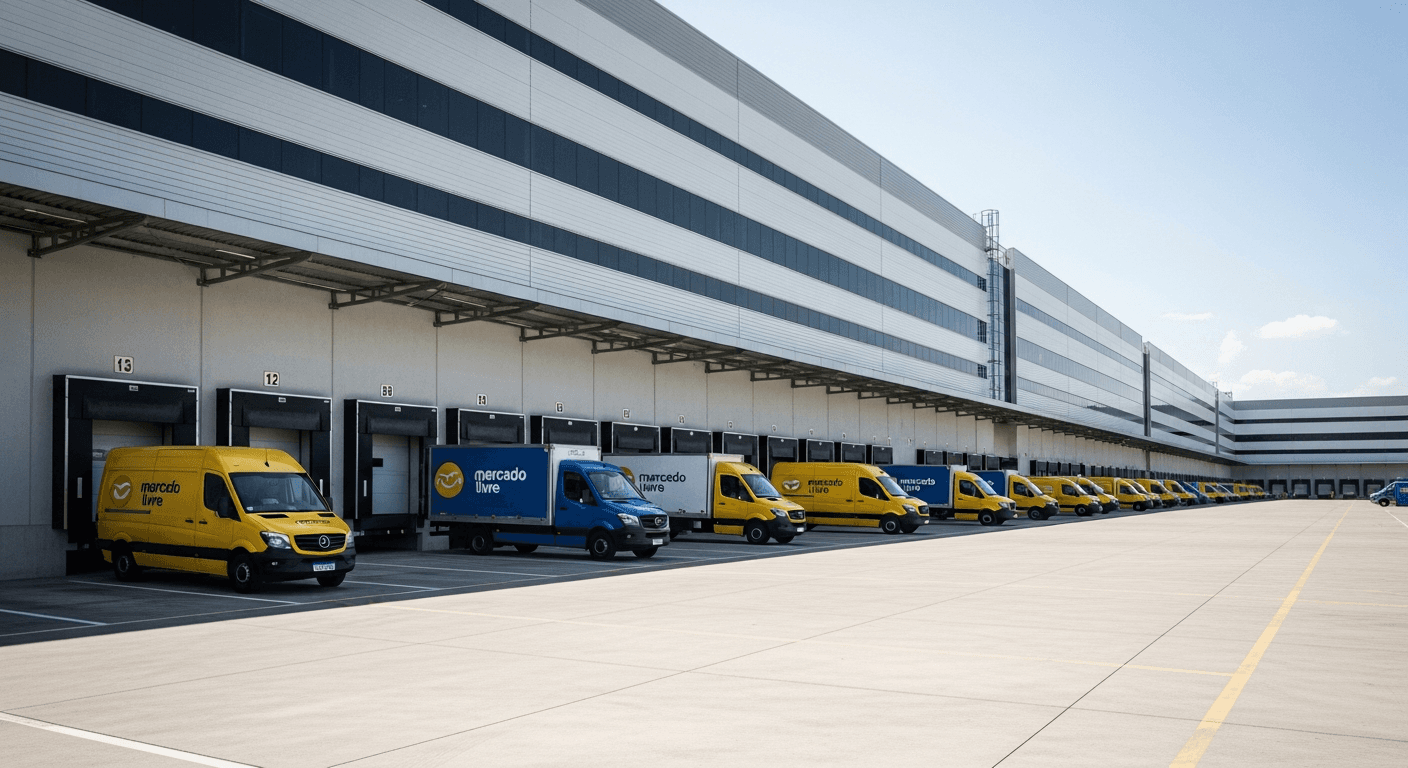
The vacancy rate for high-end logistics warehouses across Brazil has fallen to a historic low of 5.5% in the first half of 2026, marking a moment of severe supply shortage in the country’s industrial property sector. The tight market, which has seen the overall national vacancy rate hover between 5.62% and 6.5% in the first quarter, has driven the average value of new leases signed at logistics parks to a record high of R$30.01 per square meter, according to market reports.
The explosive, structural demand for vast new space is being driven almost entirely by the continued rapid expansion of e-commerce in Brazil. Online marketplace giants, particularly Mercado Livre and Shopee, are engaged in an arms race to cut delivery times to customers in Brazil’s sprawling metropolitan areas, creating a huge appetite for modern warehouses near major cities. In the first quarter of 2026 alone, Mercado Livre absorbed 320,000 square meters of new space, accounting for 21% of the national leasing volume, more than double the space leased by competitor Shopee. The most concentrated activity continues to be in the Southeast, which accounts for more than 75% of the country’s high-quality warehouse capacity, with São Paulo remaining the dominant market.
The intense competition for prime locations has created a stark supply-demand imbalance. New developments are being absorbed before they are even completed, a clear mechanism for the low vacancy rate and soaring rents. Of the 720,000 square meters of new supply delivered in the first quarter, 77% was already pre-leased before construction was finished, demonstrating how quickly the market is consuming inventory. A senior executive noted that the market is experiencing a "moment of supply shortage," forcing companies to be agile in their decision-making to secure space.
For foreign companies following the Brazilian market, this trend underscores the deep challenges and opportunities in the country’s logistics landscape, often compounded by the higher operational costs known locally as the "Custo Brasil." Companies must navigate high costs of capital and a heavy reliance on road freight, making a prime, well-located logistics asset a critical competitive advantage. The strong leasing performance, which has seen net absorption reach 2.1 million square meters in the first half of the year, also suggests that logistics assets are now a key area for regional expansion, with states outside of the traditional hubs, like Pernambuco and Santa Catarina, now showing high leasing performance.
The outlook for the second half of 2026 indicates a continuation of this tight market. Of the additional 2.7 million square meters of new inventory projected to be delivered by the end of the year, 50% is already pre-leased. This high level of commitment for spaces that do not yet exist points to a continued scramble for high-end logistics assets and a sustained upward pressure on rents well into 2027.
What it touches The scarcity of high-quality logistics real estate and the resulting rise in rental income directly affects investment firms and real estate funds focused on the logistics sector in Brazil. Companies with exposure to this asset class, such as alternative asset managers like Pátria Investments (PAX) and real estate investment groups such as Vinci Compass Investments (VINP), benefit from this trend due to increased property values and lease revenue. The strong structural demand linked to e-commerce also indirectly benefits players like Inter & Co. (INTR) and PagSeguro (PAGS) by confirming the underlying growth of the country’s digital economy.
Related coverage
Investing · PRO
Brightshore Capital, Formerly GTIS Partners, Launches $250 Million Debt Platform Eyeing Brazilian Real Estate
Published
Investing
Brazil’s Fixed Income Market Nears R$10 Trillion Milestone Amid B3 Volume Surge
Published
Investing
Brazil’s Suzano Targets $11 Billion Debt Level After Major Pulp Expansion
Published