
Brazil’s CVM Overhauls Rules to Strengthen Investor Safety, Clarify Fund Liability
Brazil's financial regulator, the CVM, has enacted major reforms to modernize investment funds and simplify asset portability, complementing the R$ 250,000 FGC deposit guarantee.
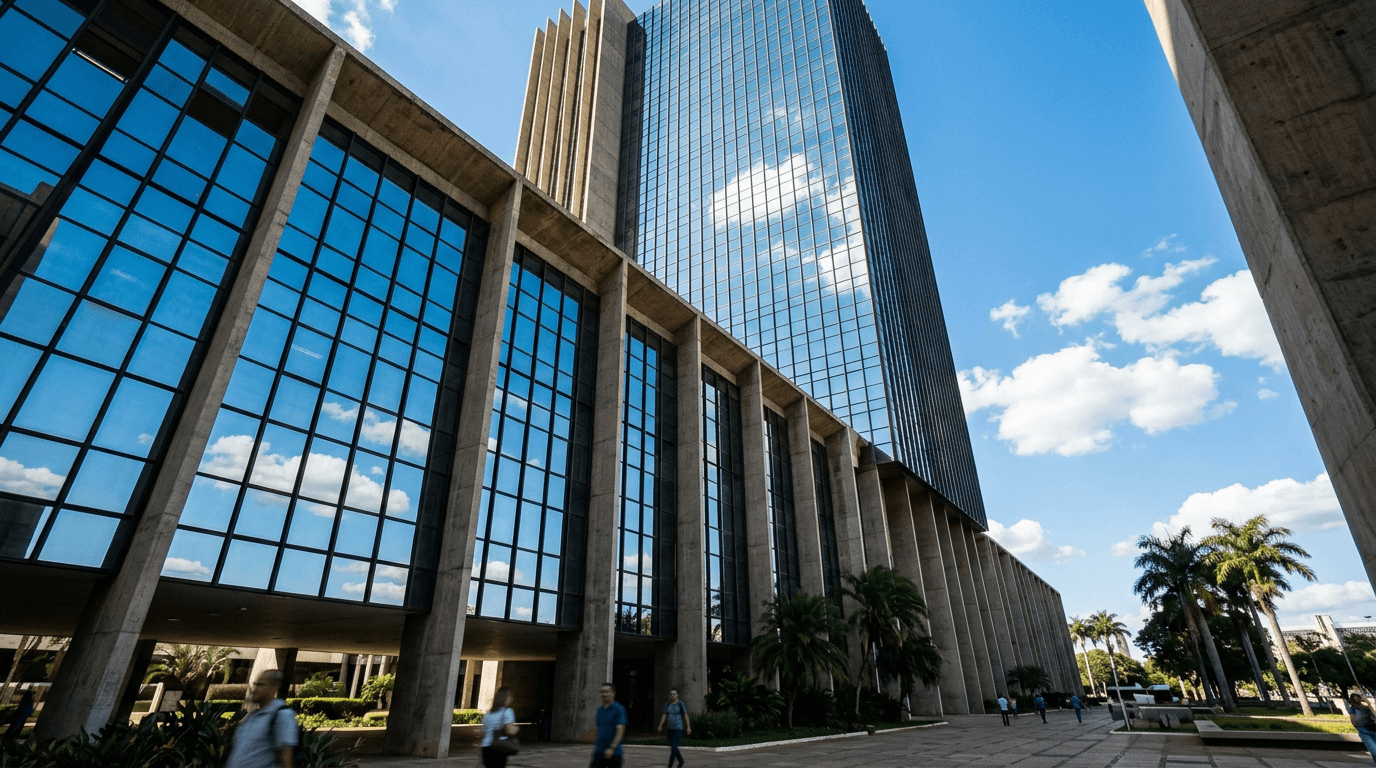
The Brazilian Securities and Exchange Commission (CVM) is executing a significant regulatory overhaul designed to modernize capital markets, increase transparency, and strengthen protections for both domestic and foreign investors. These changes, which include new rules for investment funds and simplified asset portability, aim to reduce systemic risk and increase legal certainty, complementing the existing financial safety net provided by the Deposit Guarantee Fund, or Fundo Garantidor de Créditos (FGC).
At the core of Brazil’s investor safety net, the FGC is a private, non-profit entity that protects deposits in the event a financial institution fails. It provides coverage of up to R$ 250,000 per individual (CPF) or corporate (CNPJ) taxpayer ID against all member institutions within the same financial conglomerate. This protection is crucial for popular instruments like Certificates of Bank Deposits (CDBs), Real Estate Credit Bills (LCIs), and savings accounts. For the foreigner, it is important to note that this guarantee does not extend to investments in mutual funds, stocks, or most financial bills (LFs). Furthermore, to discourage excessive risk-taking by high-net-worth individuals, the FGC imposes a global ceiling of R$ 1 million in guaranteed funds for each four-year period.
The CVM’s most expansive change is Resolution 175, which took effect in October 2023 and modernizes the entire regulatory framework for investment funds, including the vehicles foreigners often use to access the local market. The resolution introduces the concept of “classes” and “subclasses” within a single fund structure, a practice that aligns Brazil’s market with international standards and allows for the segregation of assets and risks. Crucially for investors, the new rule limits their liability to the amount of capital they have invested in the fund, eliminating potential open-ended liability exposure.
To directly tackle fraud and enhance investor rights, the CVM also enacted Resolution 210 on the portability of securities. Effective July 1, 2025, the new regulation standardizes the procedures and sets clear deadlines for transferring investments between financial institutions, which historically could be a cumbersome and opaque process. This reform creates a digital interface for portability requests and provides real-time monitoring for the investor, making it more difficult for brokerages to “trap” clients by delaying the transfer of their assets.
This series of overhauls, which includes tighter anti-money laundering and know-your-customer rules for non-resident investors, signals a clear governmental push to eliminate regulatory gray areas and ensure compliance with global best practices. As the government actively seeks to reinforce the CVM's legal mandate and budget, foreign investors can watch for a continued trend toward a more transparent, secure, and internationally aligned financial market in Brazil.
What it touches
The systemic reduction of risk, increased fund governance, and stronger investor protections underpin the confidence in the overall Brazilian financial ecosystem. This improved regulatory certainty indirectly benefits all traded assets, including locally listed stocks and bonds, as well as Brazil-exposed American Depositary Receipts (ADRs) such as PagSeguro Digital (PAGS), Inter & Co. (INTR), and Pátria Investments (PAX), by improving the perception of long-term market stability.
Latest articles
NASDAQ · PRO
Brazil Commits R$23 Billion to National AI Plan, Anchoring Supercomputer in Northeast for Tech Sovereignty
Published
Markets · PRO
Speculators Amass Massive Soybean Bet as Brazil’s Planting Season Begins
Published
Politics · PRO
Broad Coalition Warns Presidential Candidates Against Undermining Brazil’s Dual IVA Tax Reform
Published