
Brazil’s Central Bank Deadline Triggers Crypto Market Squeeze, Forcing Small Exchanges Out
Brazil's October 30 deadline for crypto exchanges to meet strict new capital and governance standards is forcing a consolidation of the VASP market.
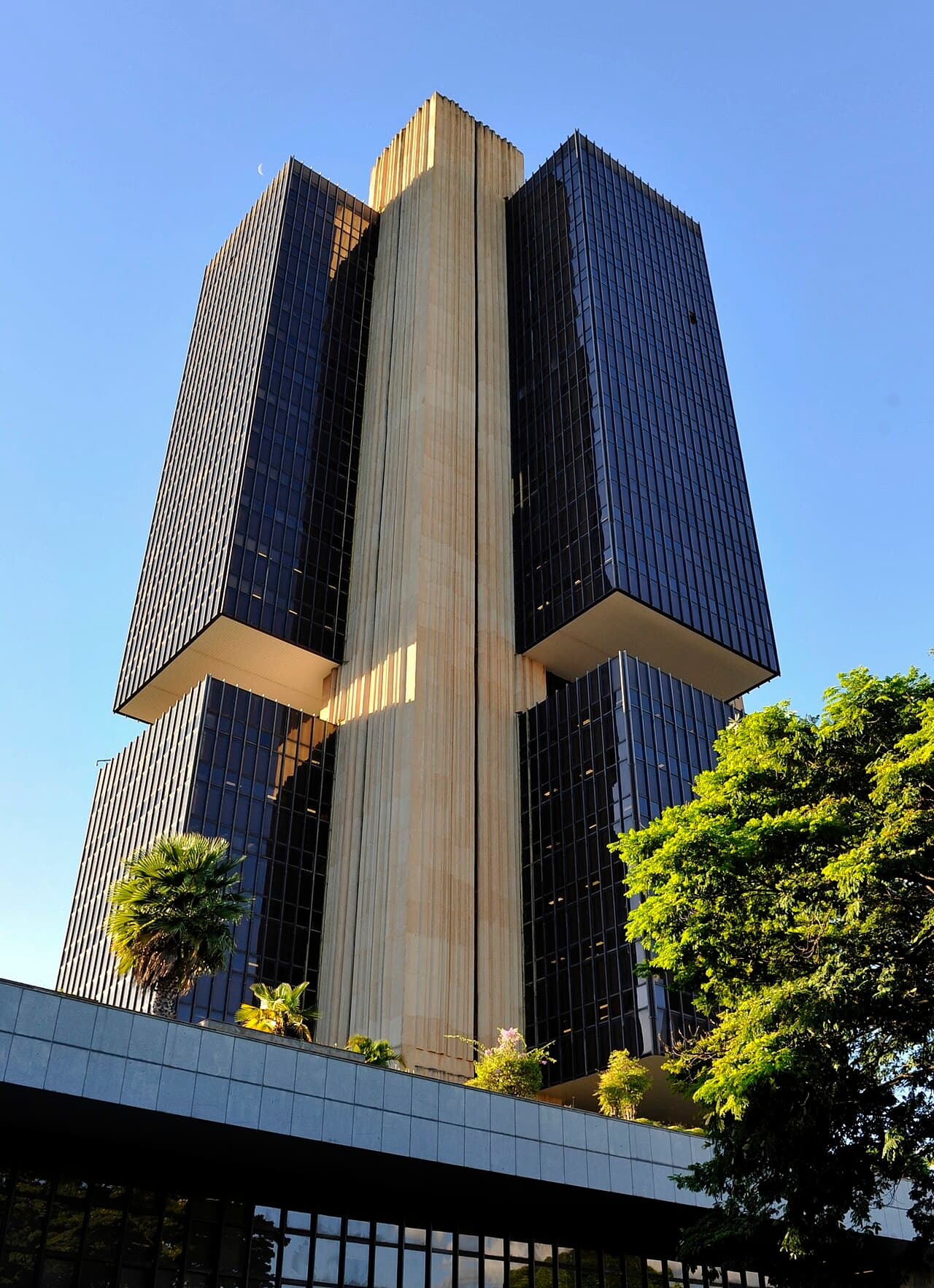
Brazil’s move to regulate its booming crypto sector like a traditional bank system is forcing a shake-up of the country’s Virtual Asset Service Providers (VASPs), with an imminent regulatory deadline expected to push many smaller exchanges out of the market. The Central Bank of Brazil (BC) has set an October 30, 2026, deadline for all existing crypto exchanges to file for authorization, a process that requires meeting rigorous capital and governance standards that few uncapitalized local platforms can afford. The high cost of compliance and the stringent new audit requirements are making continued operation untenable for many, in what the regulator calls a "same risk, same rule" approach to the sector.
The framework is built on the 2022 Virtual Assets Law (Law 14.478/2022) and subsequent Central Bank resolutions, which established the BC as the primary regulator for crypto services in Brazil. The new rules mandate that exchanges must maintain minimum capital reserves, which can range from approximately R$10.8 million to R$37.2 million (about $2 million to $6.7 million), depending on the license category. Crucially, the application for authorization must include an independent "reasonable assurance report" from a certified audit firm, attesting that the VASP’s anti-money-laundering (AML) and governance controls are fully functional.
This mechanism effectively raises the barrier to entry to a banking-grade level, shifting the market's focus from rapid growth to institutional security. The BC has also mandated mandatory asset segregation, requiring client funds to be held separately from the exchange’s own assets, a measure designed to dramatically reduce counterparty risk for the millions of Brazilians who participate in a market that saw an estimated $318.8 billion in on-chain value in a year. For smaller, domestic-focused exchanges, the combined burden of the capital floor and the months-long audit process means platforms that have not secured the necessary funding or compliance infrastructure are, in practice, already out of time.
The market’s resulting consolidation is intentional. By requiring authorization for all entities offering crypto services, including foreign firms, the Central Bank is professionalizing the ecosystem and integrating it into the national financial system. After the October 30 transition window closes, any entity providing VASP services without authorization faces being cut off from the Brazilian banking system, suspension orders, and potential enforcement action. This clear path suggests that in the coming months, Brazil’s crypto market will be dominated by a smaller number of large, well-capitalized exchanges that can prove they meet the world’s most stringent regulatory standards.