
Brazilian REIT Sells R$60 Million Distressed Debt at Steep Discount to Resolve Liquidity Crisis
Cartesia Recebíveis Imobiliários sold a non-performing asset for R$23.5 million cash, providing a template for distressed debt resolution in Brazil's large Real Estate Investment Fund market.
Cartesia Recebíveis Imobiliários (CACR11), a major Brazilian real estate fund, has sold its entire position in a non-performing asset, the CRI Helvetia, for R$23.5 million cash to a specialized distressed asset manager. The transaction resolves a persistent liquidity crisis that had forced the fund to suspend dividend payments to its quotaholders, providing a clear mechanism for how such troubled debts are restructured and cleared in the country’s massive real estate investment market. The sale was executed at a significant discount to the asset’s last reported outstanding balance of R$60.9 million, but it restored immediate cash flow to the fund.
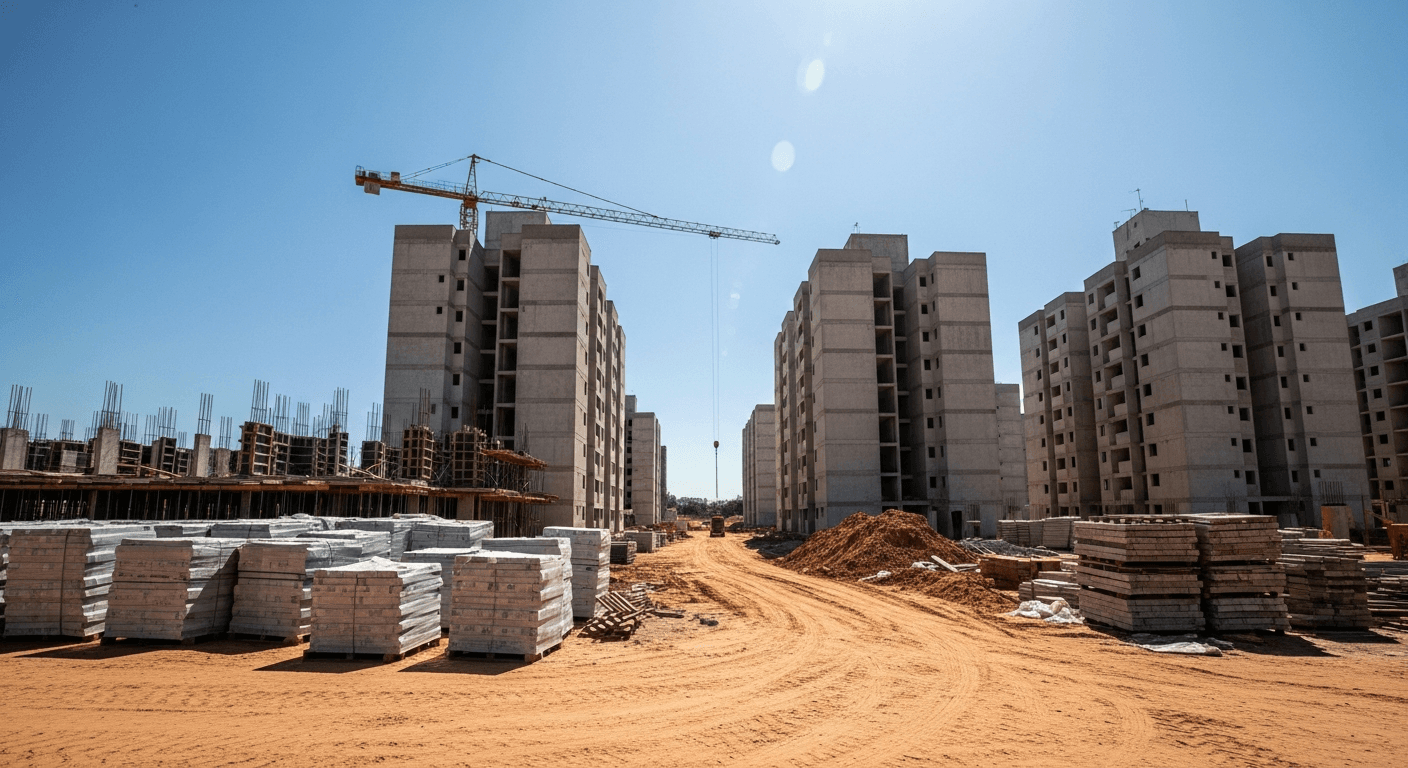
The crisis unfolded over months at the Fundo de Investimento Imobiliário, or FII—Brazil’s functional equivalent of a Real Estate Investment Trust (REIT). The fund specialized in holding Real Estate Receivable Certificates (CRIs), which are securitized debt instruments tied to real estate projects. When the CRI Helvetia, which was linked to a residential project in Indaiatuba, in the interior of São Paulo, defaulted, the FII faced a severe cash crunch. Fund managers were forced to suspend mandatory dividend distributions, and quotaholders—the fund’s investors—rejected a subsequent proposal to retain first-half results, heightening pressure on the fund to resolve the debt.
The decision to sell the asset at R$23.5 million in exchange for immediate cash means the fund realized a substantial loss against the R$60.9 million owed by the borrower as of June. However, the transaction was structured with a crucial stabilizing clause: an "earn-out" right. This provision gives Cartesia Recebíveis Imobiliários a relevant, though undisclosed, percentage share in any future recovery of the credit, making the final economic outcome for the fund uncertain and dependent on the buyer’s success. The buyer, Haltin Capital, specializes in managing "special situations" and is now tasked with reorganizing the underlying residential project to maximize recovery.
For foreign investors watching Brazil, this sale provides a key illustration of the recovery mechanism for distressed debt within the FII structure. Rather than engaging in a potentially lengthy and costly legal execution of collateral, the fund chose a swift exit to reinforce its liquidity. The immediate consequence is a stronger cash position for CACR11, though management has not yet announced a timeline for resuming consistent dividend distributions. The market will now watch for any guidance on the economic impact of the loss and the potential value of the earn-out right, which will determine the fund’s overall health and its path back to stability.
What it touches The resolution of this crisis directly impacts the perception of risk in the broader Brazilian Real Estate Investment Fund (FII) market, which is a major asset class on the B3 stock exchange. FIIs are widely held by Brazilian retail investors, who favor them for their mandated minimum distribution of 95% of income. While the action by Cartesia Recebíveis Imobiliários is specific to one fund, it demonstrates a clear mechanism—the sale of non-performing assets to a specialist—for dealing with defaults in the real estate receivables segment, a process that underpins the stability of the entire sector.
Related coverage
Investing · PRO
Brightshore Capital, Formerly GTIS Partners, Launches $250 Million Debt Platform Eyeing Brazilian Real Estate
Published
Investing
Brazil’s Fixed Income Market Nears R$10 Trillion Milestone Amid B3 Volume Surge
Published
Investing
Brazil’s Suzano Targets $11 Billion Debt Level After Major Pulp Expansion
Published