
Brazilian Office FII HJCT11 Faces Potential R$0.20 Dividend Hit on Tenant Exit
Brazilian office FII HJCT11 warned of a potential income drop after pharmaceutical company União Química announced its exit, quantifying vacancy risk for investors.
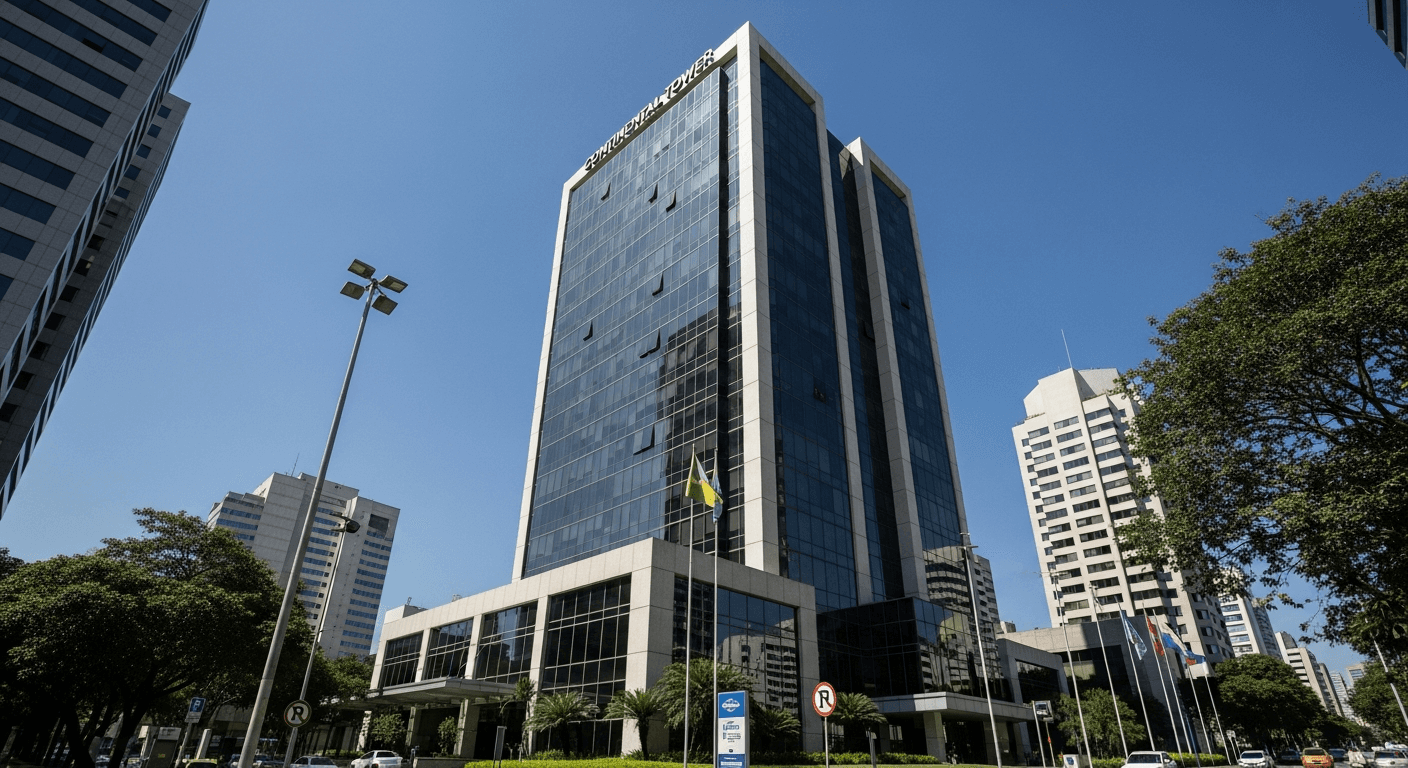
The Brazilian real estate investment trust (FII) market is receiving a concrete lesson in office vacancy risk after the Hedge JHSF Capital Prime Offices FII (HJCT11) notified investors of a potential R$ 0.20 per share reduction in distributable income following a major tenant exit. The fund, which holds the Continental Tower corporate office building in São Paulo, received a non-renewal notice from União Química Farmacêutica Nacional for two of its office units, which represent 7.8% of the fund’s total leasable area.
The notice from União Química, a prominent pharmaceutical company, was delivered within the contractual timeframe, meaning the fund will not receive a contract break penalty. The estimated R$ 0.20 loss per share is based on the assumption that the 7.8% area remains completely vacant after the tenant officially vacates the space at the end of the lease term on December 31, 2026. Importantly, the fund’s calculation for the potential income hit accounts not only for the lost rental revenue but also for the additional costs—specifically condominium fees (condomínio) and property tax (IPTU)—that the fund would have to absorb while the units are unleased.
For investors, the potential hit quantifies the vacancy risk inherent in the Lajes Corporativas (corporate office slabs) segment of Brazilian real estate, particularly in a high-quality asset like the Continental Tower. While the R$ 0.20 figure may seem manageable against the fund's historical distribution—HJCT11 distributed R$ 8.85 per share over the last 12 months, yielding 7.3% based on a recent R$ 120.00 quote on the B3 stock exchange—the proportional area loss is significant. The fund's reported vacancy rate stood at 8.0% as of a mid-2026 report, meaning a failure to re-lease the units would nearly double the total vacant area.
The actual impact of the non-renewal is dependent on the management’s efforts over the next 16 months. The fund has already affirmed it is actively seeking potential new occupants for the space. Foreign investors tracking the Brazilian real estate sector will be watching the HJCT11 management reports throughout 2027, as their success in attracting a replacement tenant before or shortly after the December 2026 exit date will determine whether the potential income pressure materializes.
Related coverage
Investing · PRO
Brightshore Capital, Formerly GTIS Partners, Launches $250 Million Debt Platform Eyeing Brazilian Real Estate
Published
Investing
Brazil’s Fixed Income Market Nears R$10 Trillion Milestone Amid B3 Volume Surge
Published
Investing
Brazil’s Suzano Targets $11 Billion Debt Level After Major Pulp Expansion
Published