
Brazil Retail Giant Assaí Acquires 18 Gas Stations to Leverage High Traffic Footprint
Brazilian cash-and-carry retailer Assaí is buying 18 gas stations located at its São Paulo stores for up to R$ 80 million, aiming to launch a new line of business.
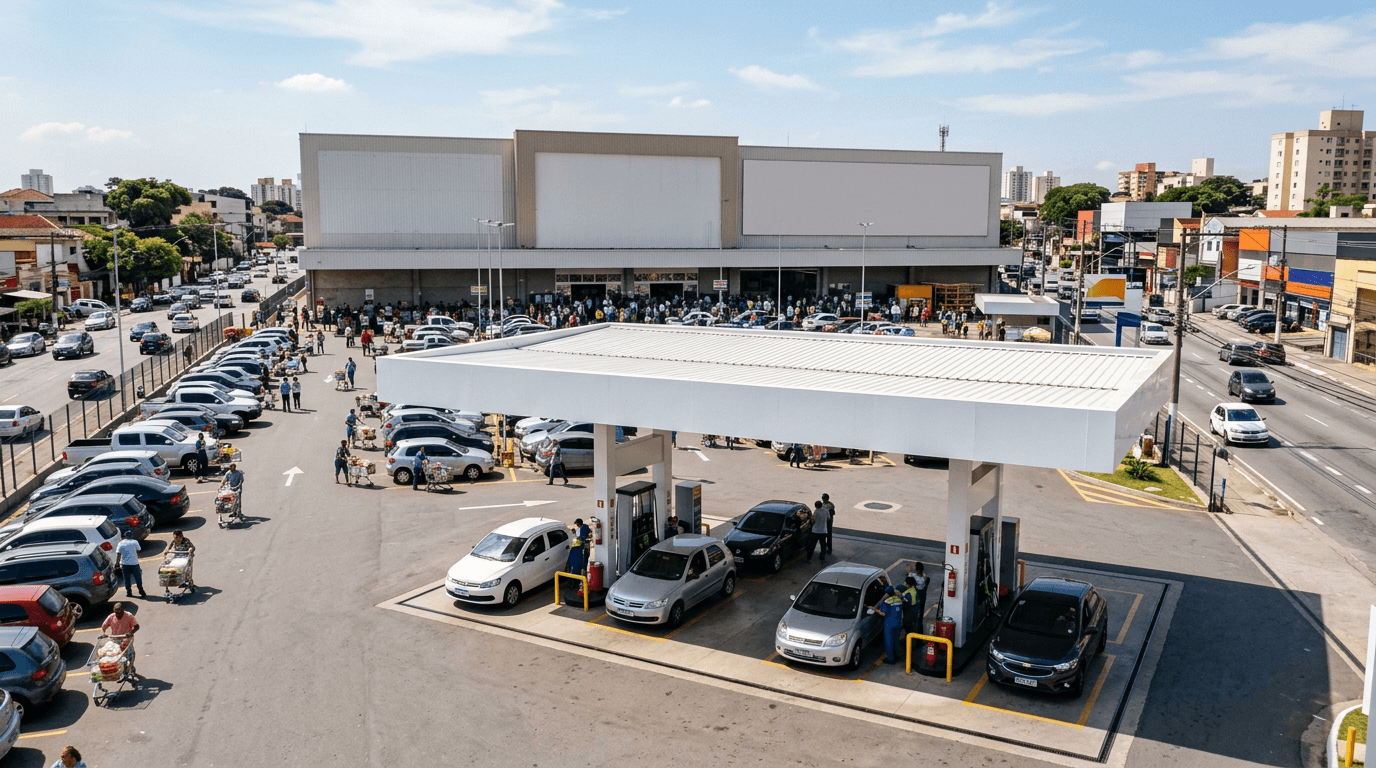
Assaí, the Brazilian cash-and-carry retail giant, is expanding its business beyond groceries with the acquisition of 18 gas stations located directly at its stores in São Paulo state. The contract with Centro de Conveniências Millennium Ltda. is valued at up to R$ 80 million and marks a significant step in the company’s strategy to leverage its massive customer and vehicle traffic.
The move aims to create a new, complementary revenue stream by exploiting the retailer's existing high-traffic real estate. Assaí, which operates in the atacarejo (wholesale-retail) model popular across the Brazil retail market, estimates that more than 40 million customers and approximately 20 million vehicles flow through its stores each month. By adding fuel sales, the company can dilute its fixed costs and capture a greater "share of wallet" from customers already on its property, integrating different consumer needs into a single shopping trip.
This initial purchase serves as a platform for a much larger project. The company has stated the long-term potential to expand this segment into a network of over 100 gas stations across its units, subject to viability studies and regulatory approvals for each site. This strategy is part of a broader effort to build a business ecosystem around the core retail offering, which has recently included new initiatives like the launch of in-store pharmacies and a greater push into digital sales channels.
The transaction is not yet complete. Like all major business transactions in the country, it requires approval from CADE, the Brazilian antitrust authority. The transfer of operations to Assaí is also subject to customary closing conditions and is not expected to begin until after July 31, 2027. This staggered and conditional timeline reflects the complexity of entering a new, highly regulated business segment like fuel distribution in the country.
What it touches
Assaí (ASAI3) is a major component of the Brazilian retail landscape, with its shares traded on the B3 stock exchange in São Paulo. International investors who track the Brazilian consumer and logistics sectors often look to Assaí as a proxy. While the R$ 80 million purchase is relatively small for a company of Assaí’s size, the market views the new business line as a strategically positive step toward monetizing existing assets and diversifying revenue.