
Brazil Real Estate Funds Rebound as IFIX Closes Higher Again
Brazil's benchmark real estate index, the IFIX, rose 1.19% to 3,955 points, marking a third straight daily gain and a 5.33% recovery so far in October.
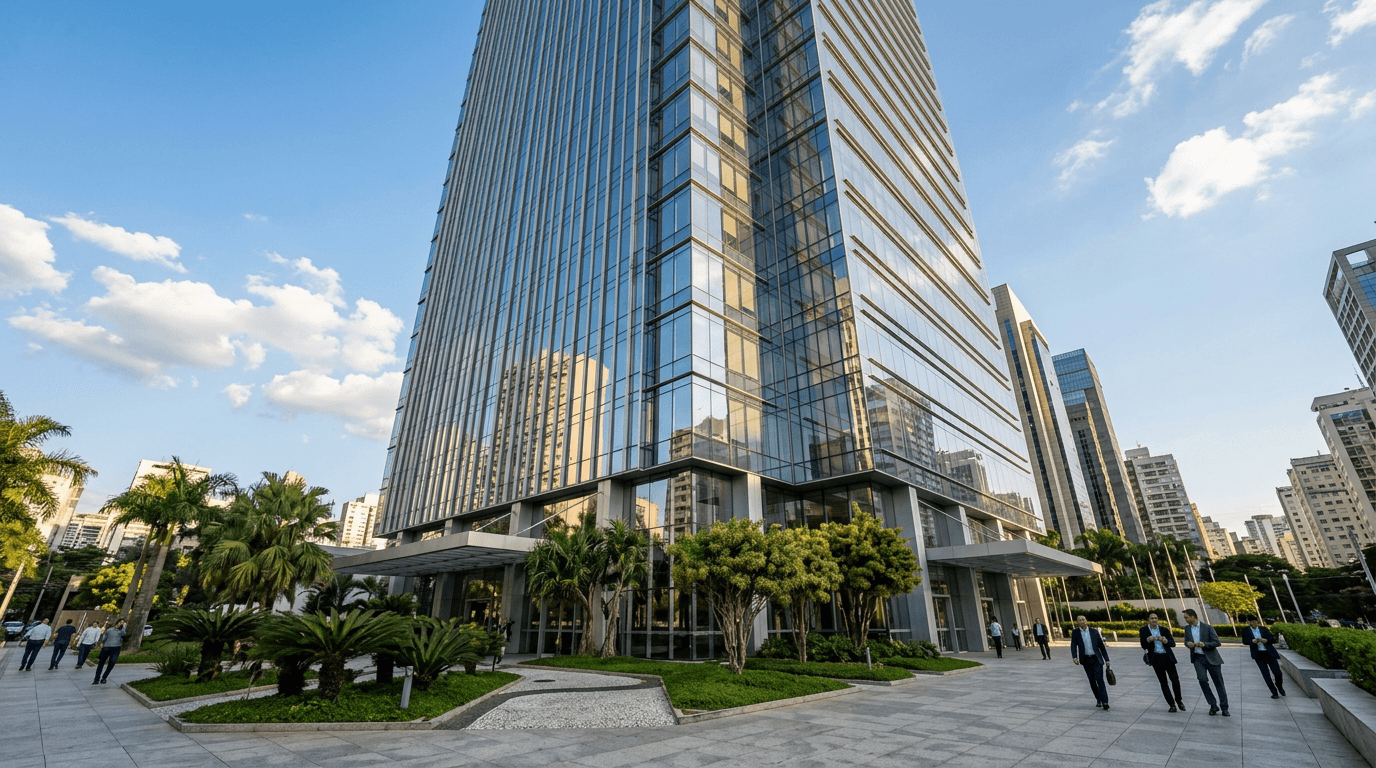
A strong short-term recovery is sweeping through the Brazilian real estate market as local yield-seeking assets bounce back from recent lows. The IFIX, the benchmark index tracking listed real estate funds (known locally as FIIs) on the São Paulo stock exchange (B3), rose 1.19% on October 8, 2026, to close at 3,955 points. This marked the index's third consecutive daily gain, bringing its accumulated advance for October to 5.33%.
For international observers, the performance of Brazilian real estate funds serves as a vital barometer for local liquidity and shifting monetary policy expectations. Because these funds are legally required to distribute the vast majority of their net income to investors—usually via monthly tax-free dividends—they are highly sensitive to fluctuations in Brazil's benchmark interest rate, the Selic. When interest rate expectations stabilize or decline, capital typically rotates out of government bonds and back into real estate assets.
The current rebound is heavily supported by robust operational results and dividend announcements from prominent funds. Major players such as BTG Pactual Corporate Office Fund (BRCR11), Zagros Renda Imobiliária (GGRC11), and Autonomy Edifícios Corporativos (AIEC11) have recently pleased the market with steady cash distributions. These payouts reassure investors of the underlying health of commercial properties, logistics hubs, and corporate offices across Brazil's major economic centers.
Further boosting market sentiment is a massive new capital raise in the logistics sector. According to a report by Money Times, the BTG Pactual Logística fund (BTLG11) has approved its 17th share issuance, aiming to raise up to BRL 1.2 billion (approximately USD 220 million). The fund plans to use the proceeds to acquire new industrial properties and optimize its capital structure, signaling that institutional managers still see significant expansion opportunities in Brazil's logistics corridors.
While the immediate recovery offers relief, the broader outlook for real estate prices in Brazil remains closely tied to the Central Bank's upcoming interest rate decisions. High domestic borrowing costs continue to weigh on property acquisitions and corporate debt refinancing. However, the operational resilience of these funds suggests that the underlying real estate sector is managing to navigate the macroeconomic headwinds, keeping yield-focused investors engaged.
What it touches
The recovery in the IFIX directly impacts exchange-traded real estate funds (FIIs) listed on the B3, which are key vehicles for foreign and domestic investors targeting Brazilian property yields. It also influences the valuation of major real estate asset managers operating in Latin America, such as Pátria Investments (NASDAQ: PAX) and Vinci Partners (NASDAQ: VINP), both of which manage extensive portfolios of local real estate and infrastructure assets.