
Brazil Plans Annual Yuan Bond Issues to Create Corporate Funding Benchmark in China
Brazil's National Treasury will issue yuan-denominated 'Panda Bonds' annually to establish a sovereign yield curve, offering cheaper capital access for Brazilian companies.
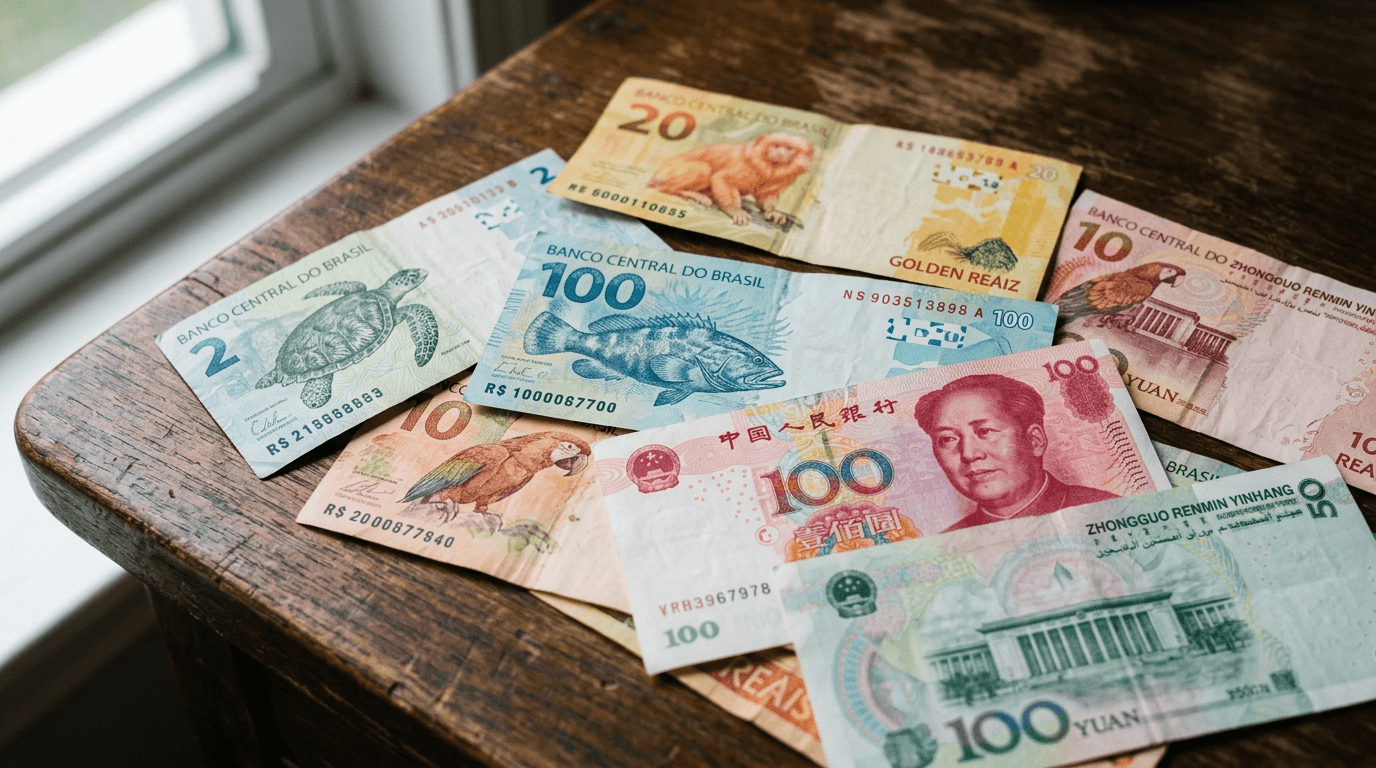
Brazil’s National Treasury has announced a strategic plan to issue yuan-denominated sovereign bonds—known as Panda Bonds—annually in China’s domestic market, a move intended to establish a crucial financial benchmark for Brazilian companies. The government’s main goal is qualitative, aiming to create a sovereign yield curve in the Chinese currency, or renminbi, that will diversify Brazil’s external funding and open a new, lower-cost financing channel for its private sector.
The move is not primarily a means to raise large sums of cash, but to create a transparent pricing reference point that does not currently exist. Because the Brazilian government has never issued yuan debt, local companies have lacked a sovereign benchmark to price their own offerings to Chinese investors. A regular, annual issuance by the National Treasury will provide this key reference, making it simpler and more attractive for Brazilian corporations—particularly those with significant trade links to China, the country's largest trade partner—to tap into China’s vast capital markets.
This financial diversification is motivated by lower financing costs. For example, a major Brazilian pulp and paper producer, Suzano, has already issued Panda Bonds and found the pricing to be more than 50 basis points below what it would have paid on comparable dollar-denominated debt. The government's own analysis suggests the difference is substantial, with average coupon rates for this type of debt significantly below those for dollar-denominated issues. Finance Minister Dario Durigan has called the debut issuance a crucial "test" to help private Brazilian firms deepen their presence in the country.
The planned initial offering is expected to reach up to 5 billion yuan, or roughly $735 million, and will make Brazil the first Latin American nation to issue sovereign Panda Bonds. The issuance is part of a broader push to deepen financial cooperation between Brasília and Beijing, following the renewal of a bilateral currency-swap agreement and an increased focus on de-dollarization in the global south. For Brazil, this is an exercise in optionality, seeking to reduce dependence on a single currency by adding yuan-denominated borrowing alongside its existing dollar and euro debt.
The immediate focus is the timing of this inaugural issuance, which the National Treasury is planning for the near future, following the delivery of a letter of intent to China’s financial market institutional investors. If successful, the repeated annual issuances will solidify the yuan as a permanent component of Brazil’s sovereign external debt strategy.
What it touches
The successful and recurring issuance of sovereign Panda Bonds would indirectly benefit a range of Brazilian companies—especially large-cap exporters like those in the agricultural and mining sectors—by providing a cheaper, more accessible capital source through the onshore Chinese bond market. This new benchmark could reduce the cost of capital for future debt sales aimed at Chinese investors, making it a key development for the Brazilian corporate fixed income market.