
Brazil Central Bank Poised for Final Selic Cut as Political Tensions Complicate Real’s Outlook
Copom is expected to cut the Selic rate to 13.75% as inflation slows, but a tightening election race against a fiscally conservative candidate is strengthening the Brazilian Real.
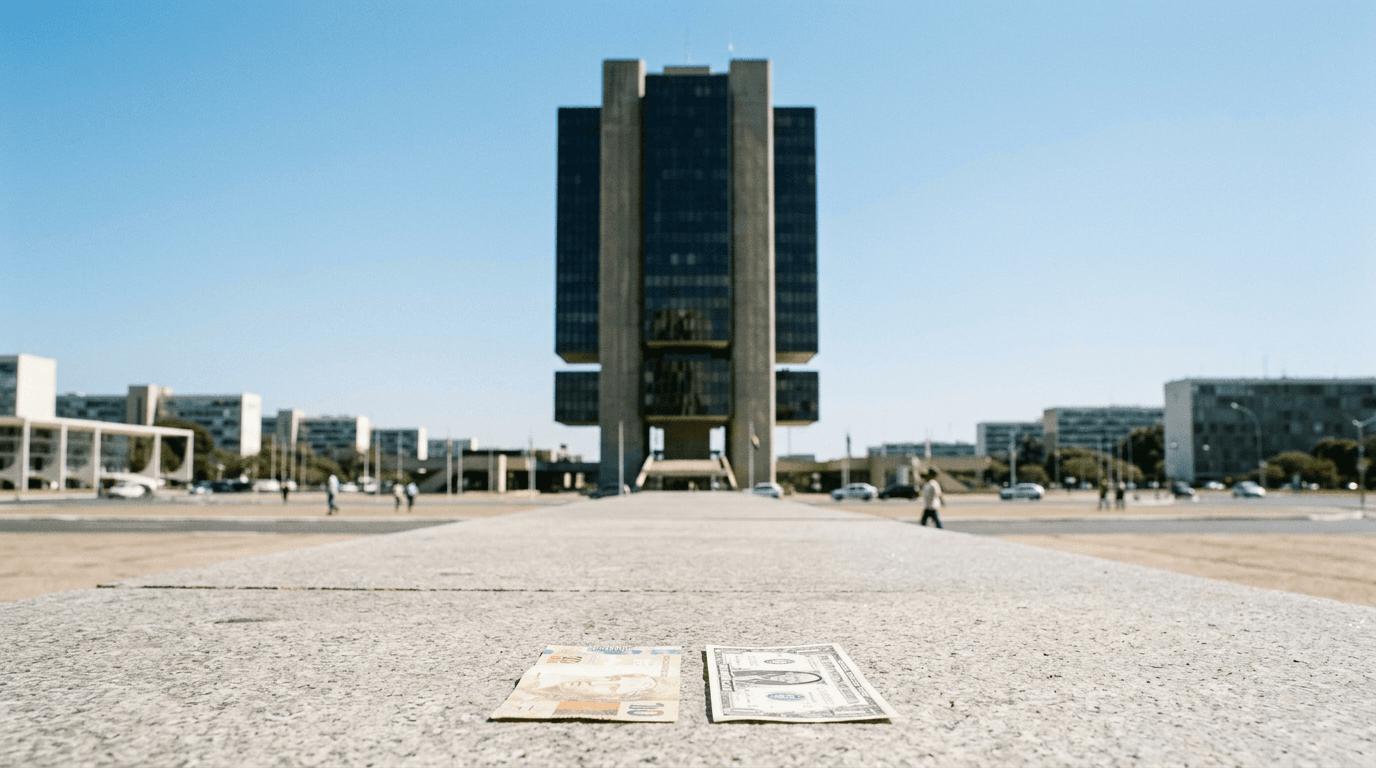
Brazil’s Central Bank is set to deliver what most analysts expect to be the final interest rate cut of the year, reducing the benchmark Selic rate by 25 basis points (bps) to 13.75% in a decision scheduled for Wednesday. The move would continue a gradual easing cycle aimed at reviving a slowing economy, but the outlook for the Brazilian Real currency is now being heavily influenced by a tightening political race ahead of the October election.
The decision by the Monetary Policy Committee (Copom) comes after the official annual inflation rate, the IPCA, eased to 4.22% in August, falling within the Central Bank’s target band for the first time in months. This disinflationary trend, alongside a slowdown in economic growth—with second-quarter GDP expanding by a modest 0.5%—provides the necessary economic cover for the cut. The current Selic rate of 14.00% remains one of the highest among major economies, translating into burdensome costs for Brazilian households and businesses.
While the cut to 13.75% is widely anticipated, investor focus will immediately shift to the Copom’s accompanying statement for forward guidance. Many analysts project this will be the final adjustment of the year, signaling a potential pause in the easing cycle due to concerns over lingering price pressures and high public spending. The Central Bank’s communication must carefully balance support for economic growth against the need to maintain credibility in its fight against inflation.
Adding a layer of complexity is the intensifying presidential contest between the leftist incumbent, President Luiz Inácio Lula da Silva, and his right-wing challenger, Senator Flávio Bolsonaro. Normally, a rate cut would weaken the Real by shrinking the yield differential that attracts foreign capital. However, the narrowing gap in the polls is providing counter-pressure on the currency.
The perceived increase in support for Senator Bolsonaro, who is associated with a potentially more conservative fiscal policy, has been interpreted by markets as reducing the country's risk premium. Bolsonaro’s team has proposed a new, tighter fiscal framework tied to public debt levels, which investors hope will replace Lula's current spending rules and signal a greater commitment to fiscal discipline. This market optimism for a more orthodox fiscal direction has recently buoyed the Real, offsetting the usual pressure from the expected rate reduction.
What it touches
The outcome of the Copom meeting will directly impact Brazilian assets. A 25-bps cut is largely priced into local interest rate futures. The main tension will be seen in the USD/BRL exchange rate and the prices of fixed-income instruments. Any signal that the easing cycle may continue past this week could weaken the Real, while a distinctly hawkish statement that signals a firm pause would likely strengthen it. Rate-sensitive sectors like retail, construction, and financials (like Itaú Unibanco, ITUB4, and Banco Bradesco, BBDC4) may see a slight positive reaction to the cut, as lower borrowing costs can eventually improve credit demand and profitability.