
USD BRL Drops to 5.06 as Carry Trade and FX Inflows Boost Real
The Brazilian Real hits a seven-week high of 5.06 per USD, driven by a 14.25% Selic rate and the strongest first-half FX inflows since 2018.
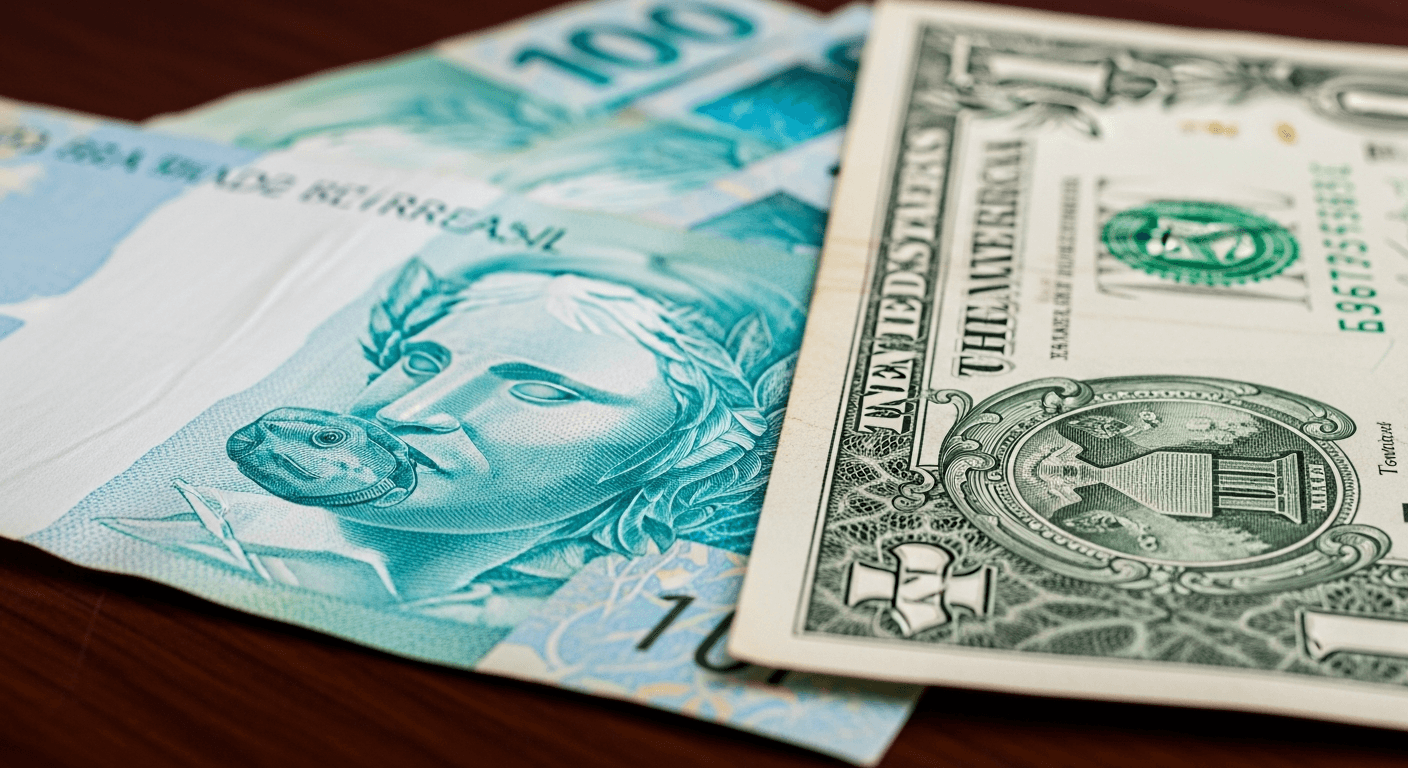
The Brazilian Real rallied to a seven-week high against the greenback on July 23, 2026, with the USD/BRL exchange rate falling to 5.067992. This milestone marks a robust 3% gain for the Real over the past month, fueled by an aggressive yield differential and a massive wave of foreign capital entering Latin America's largest economy.
A primary driver of this currency strength is the highly restrictive monetary policy maintained by the Central Bank of Brazil. Following the latest Copom decision, the benchmark Selic rate stands at 14.25%. This elevated policy rate creates a substantial yield gap against the US Federal Reserve's benchmark, making the "carry trade"—where investors borrow in low-yielding currencies to buy higher-yielding assets—highly lucrative for those looking to invest in Brazil.
Complementing this yield advantage is a historic surge in liquidity. Brazil recorded a net foreign exchange inflow of $17.78 billion during the first half of 2026, representing the country's strongest first-half FX performance since 2018. The capital influx has been heavily supported by robust commodity exports, particularly oil and agribusiness, which have kept the nation's trade balance highly favorable despite global economic headwinds.
For global investors monitoring the Brazil ETF (EWZ) or major Brazilian ADRs like Petrobras (PBR) and Vale (VALE), the strengthening Real provides a tailwind for dollar-denominated returns. On the local exchange, the benchmark Ibovespa today continues to reflect this improved foreign appetite, even as high local borrowing costs present a mixed backdrop for domestic corporate earnings.
Looking ahead, the Brazilian real forecast remains closely tied to incoming inflation data and the central bank's next steps. While the government recently revised its 2026 IPCA inflation forecast to 5.1%, policymakers have signaled that interest rates will remain highly restrictive for as long as necessary to anchor consumer prices, ensuring that Brazil's yield advantage persists into the second half of the year.
Latest articles
Agro · PRO
Brazil's Bid for 80,000 Tons of Beef Exports to China Awaits Beijing's Quota Veto
Published
Markets · PRO
Brazil Finance Ministry Cuts 2026 GDP Forecast to 2.0% on Drag From High Selic Rate
Published
Investing · PRO
Brightshore Capital, Formerly GTIS Partners, Launches $250 Million Debt Platform Eyeing Brazilian Real Estate
Published