
US Tariffs on Brazil Threaten to Weaken Real, Disrupting Trade Inflows
A newly announced 25% US tariff on Brazilian imports, effective July 22, 2026, threatens to curb trade inflows and pressure the Brazilian real (USD/BRL).
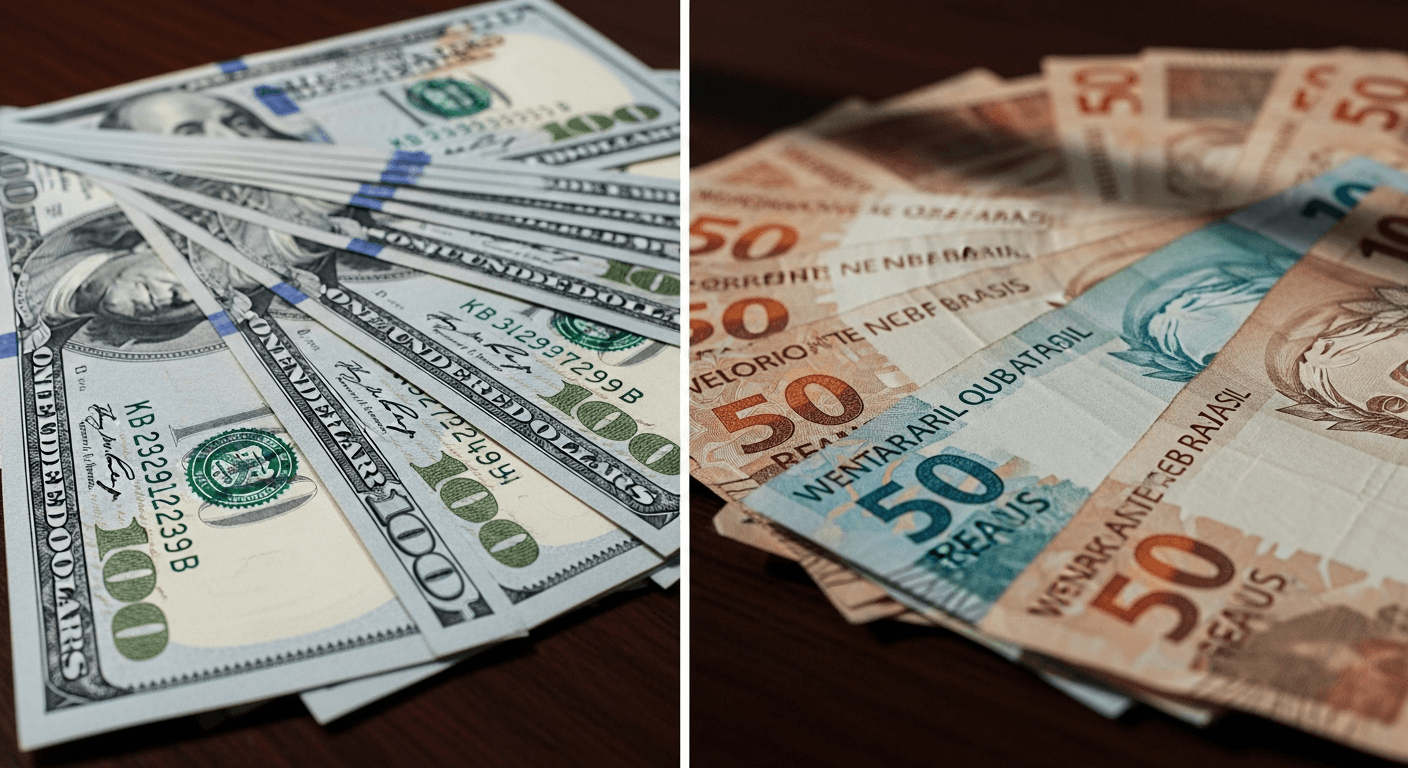
The U.S. government’s announcement of a new 25% tariff on Brazilian imports, scheduled to take effect on July 22, 2026, has introduced fresh volatility to South American financial markets. The decision, handed down by the Office of the U.S. Trade Representative (USTR) under Section 301 of the Trade Act of 1974, targets a wide range of goods. This escalating trade tension threatens to reduce crucial dollar inflows into Latin America’s largest economy, reversing the currency's recent momentum and altering the near-term Brazilian real forecast.
Prior to the announcement, the USD/BRL exchange rate hovered around 5.11 to 5.12, weakening slightly from the 5.07 level seen earlier in July. Market analysts warn that the new trade barriers could disrupt the robust foreign exchange inflows that have supported the local currency this year. In the first half of 2026, Brazil’s trade surplus and net foreign exchange inflows reached a positive $17.78 billion. However, with the U.S. imposing a 25% duty on key exports, economists anticipate a reduction in export revenue that could put upward pressure on the USD/BRL pair.
The tariff decision is also weighing on equities, affecting the Ibovespa today. Global investors monitoring the Brazil ETF (EWZ) are closely watching how major Brazilian ADR tickers—such as state-controlled oil giant Petrobras (PBR), mining giant Vale (VALE), financial heavyweights Itaú Unibanco (ITUB) and Banco Bradesco (BBD), digital banking leader Nu Holdings (NU), and aircraft manufacturer Embraer (ERJ)—will navigate the new trade environment. While Embraer (ERJ) and certain agricultural goods like beef and orange juice have been granted specific exemptions in the USTR’s annex to protect U.S. supply chains, the broader sentiment on B3 stocks remains cautious.
As policymakers in Brasília vow to retaliate, the geopolitical friction is expected to keep domestic assets highly sensitive to trade headlines. For those looking to invest in Brazil, the combination of these new trade barriers and high domestic interest rates will remain key focal points. Market participants will continue to monitor the upcoming Copom decision and Brazil inflation IPCA data to gauge how the central bank might adjust monetary policy to defend the currency against these external trade shocks.
Latest articles
Agro · PRO
Brazil's Bid for 80,000 Tons of Beef Exports to China Awaits Beijing's Quota Veto
Published
Markets · PRO
Brazil Finance Ministry Cuts 2026 GDP Forecast to 2.0% on Drag From High Selic Rate
Published
Investing · PRO
Brightshore Capital, Formerly GTIS Partners, Launches $250 Million Debt Platform Eyeing Brazilian Real Estate
Published