
US Tariffs on Brazil Pressure Real as Trade Surplus Risks Shrink
The U.S. has finalized a 25% tariff on Brazilian imports under Section 301, threatening Brazil's trade surplus and sending the USD/BRL rate toward 5.10.
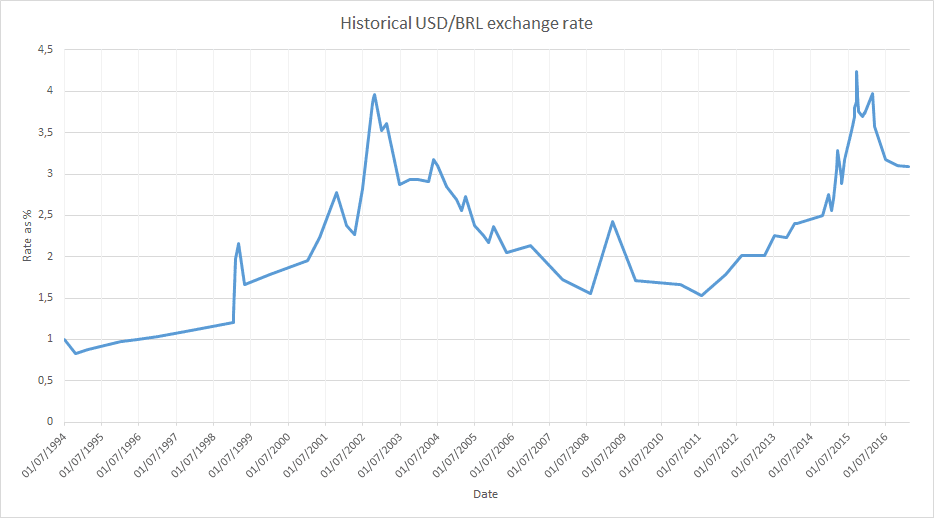
The U.S. government has finalized a 25% tariff on Brazilian imports under Section 301 of the Trade Act of 1974, a move set to take effect on July 22, 2026. The decision targets thousands of products and is projected to impact roughly $7 billion in bilateral trade. In immediate response to the announcement, the Brazilian Real weakened, with the USD/BRL exchange rate moving toward the 5.10 BRL per USD threshold.
The Office of the U.S. Trade Representative (USTR) enacted the levies following a year-long investigation into what it deemed unreasonable trade practices, including digital trade barriers, lax anti-corruption enforcement, and illegal deforestation. While major Brazilian exports such as beef, coffee, oranges, and aircraft are exempted to protect critical supply chains, the tariffs will hit key industrial sectors, including steel, paper, agricultural machinery, and chemical polymers.
For global investors, the trade friction threatens to shrink Brazil's robust trade surplus and reduce the consistent inflow of U.S. dollars that has historically supported the Real. The currency's recent gains are now facing headwinds as market participants price in a more restrictive export environment. On the corporate front, the benchmark Ibovespa index (IBOV) remains highly sensitive to these shifting trade dynamics, particularly across industrial and manufacturing constituents.
In response to the unilateral measures, Brazilian President Luiz Inácio Lula da Silva strongly condemned the decision, stating there is no justification for the tariffs. Brasilia has vowed to challenge the action through the World Trade Organization (WTO) and is preparing to trigger its Economic Reciprocity Law to implement countermeasures against U.S. goods. As trade tensions escalate between the two major economies, currency analysts expect heightened volatility for the USD/BRL pair in the weeks ahead.
Latest articles
Agro · PRO
Brazil's Bid for 80,000 Tons of Beef Exports to China Awaits Beijing's Quota Veto
Published
Markets · PRO
Brazil Finance Ministry Cuts 2026 GDP Forecast to 2.0% on Drag From High Selic Rate
Published
Investing · PRO
Brightshore Capital, Formerly GTIS Partners, Launches $250 Million Debt Platform Eyeing Brazilian Real Estate
Published