
Tightening Brazil Election Race Pushes Brazilian Real Stronger Against the Dollar
The Brazilian Real appreciated significantly as the presidential race between Lula and Flávio Bolsonaro narrows, reducing political risk premium.
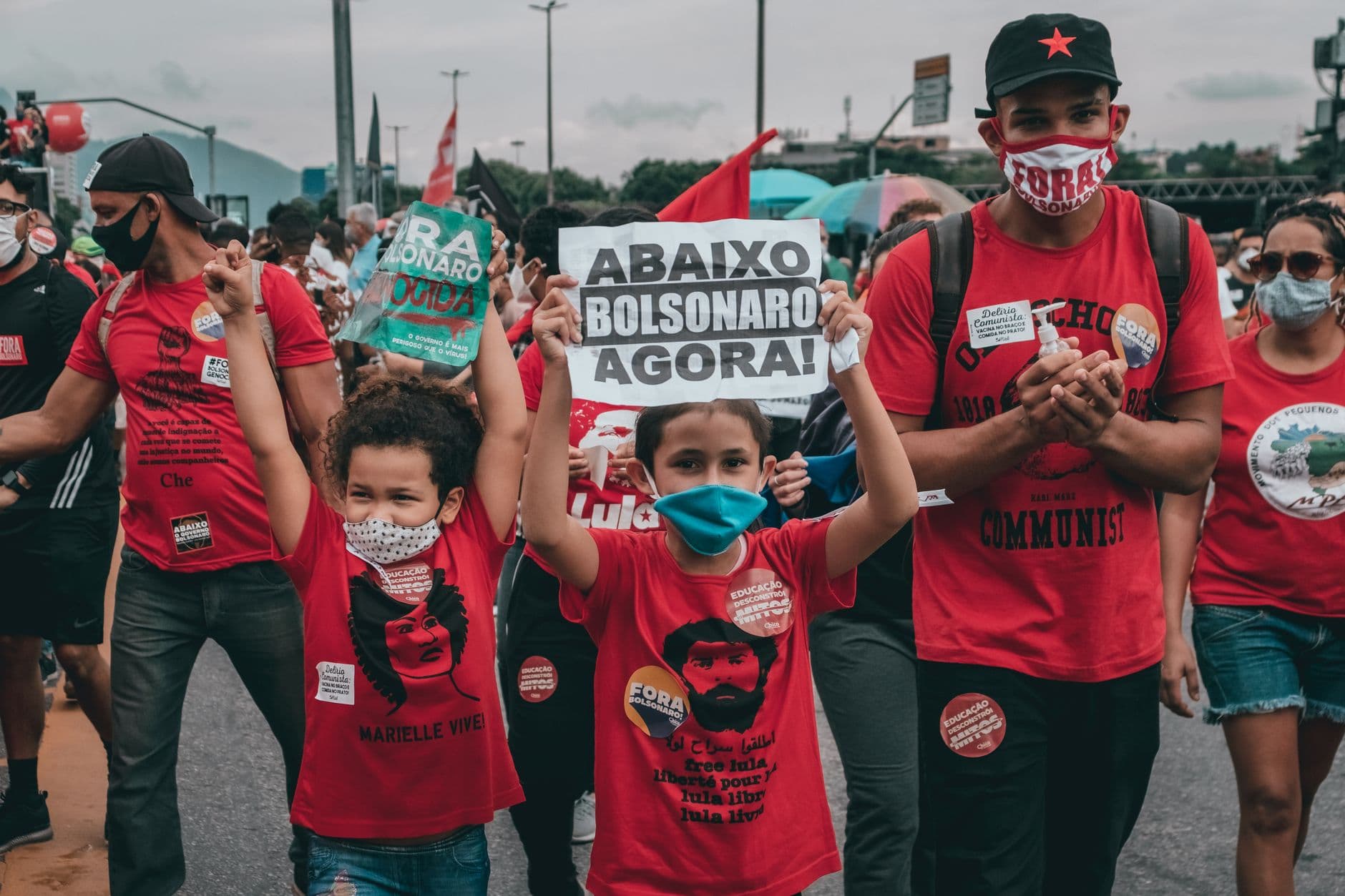
The Brazilian Real (BRL) has begun a strengthening run against the U.S. dollar, with the currency's appreciation directly linked to a sharp tightening of the country’s polarized presidential election. The U.S. dollar, which traded for around R$5.19 just days ago, slipped to the R$5.10 level, settling today at 5.1247 Real against the dollar, as investors rapidly reconfigure their expectations for the country's fiscal future. This movement suggests the market is pricing in a lower political risk premium for Brazilian assets as the October vote approaches, rewarding the Brazilian Real with one of the best performances among emerging market currencies in the opening days of the month.
The shift in the currency’s value is driven by the dynamic between incumbent President Luiz Inácio Lula da Silva and the candidate carrying the banner for the right, Senator Flávio Bolsonaro. The former President, Jair Bolsonaro, is ineligible to run for office, but his son, Senator Flávio Bolsonaro, has assumed the role of main challenger, endorsed to lead the right-wing ticket. Polls indicate the race is narrowing, increasing the probability of a victory for the Bolsonaro-backed project, which has campaigned on a platform that promises deep cuts to public spending and greater streamlining of the state apparatus. For foreign investors, the prospect of a more fiscally conservative administration following the election is seen as a sign of greater long-term debt sustainability.
This market reaction highlights a deep-seated concern among international observers regarding Brazil’s public finances. Under President Lula, the government has pursued an expansionary fiscal policy, including an estimated $56 billion in economic stimulus this year, which market commentators warn is largely offsetting the restrictive effect of the Central Bank’s high benchmark interest rate, known as the Selic. With gross public debt trending above 80% of GDP, the currency’s sensitivity to the electoral outcome underscores the degree to which fiscal management is now the primary determinant of perceived risk for the world’s ninth-largest economy.
The fate of the Brazilian Real, and the implied risk premium on the country’s assets, now rests squarely on the results of the October election. Financial markets will watch closely to see if the eventual winner prioritizes budget consolidation, or if they continue with high levels of spending that could threaten long-term fiscal stability. Until the vote, any further tightening of the race will likely continue to amplify the volatility in the BRL as investors adjust their positions based on the perceived ideological split on spending between the two opposing political projects.
What it touches
The direct link between the political risk premium and the exchange rate means the USD/BRL pair is the asset most directly exposed to the election cycle. The rate is currently quoted at 5.1247 Real per U.S. dollar.