
Structural Dollar Supply from FDI and Record Trade Surplus Puts a Floor Under the Brazilian Real
Record inflows from Foreign Direct Investment and a surging trade balance are providing a structural counterweight to USD/BRL volatility.
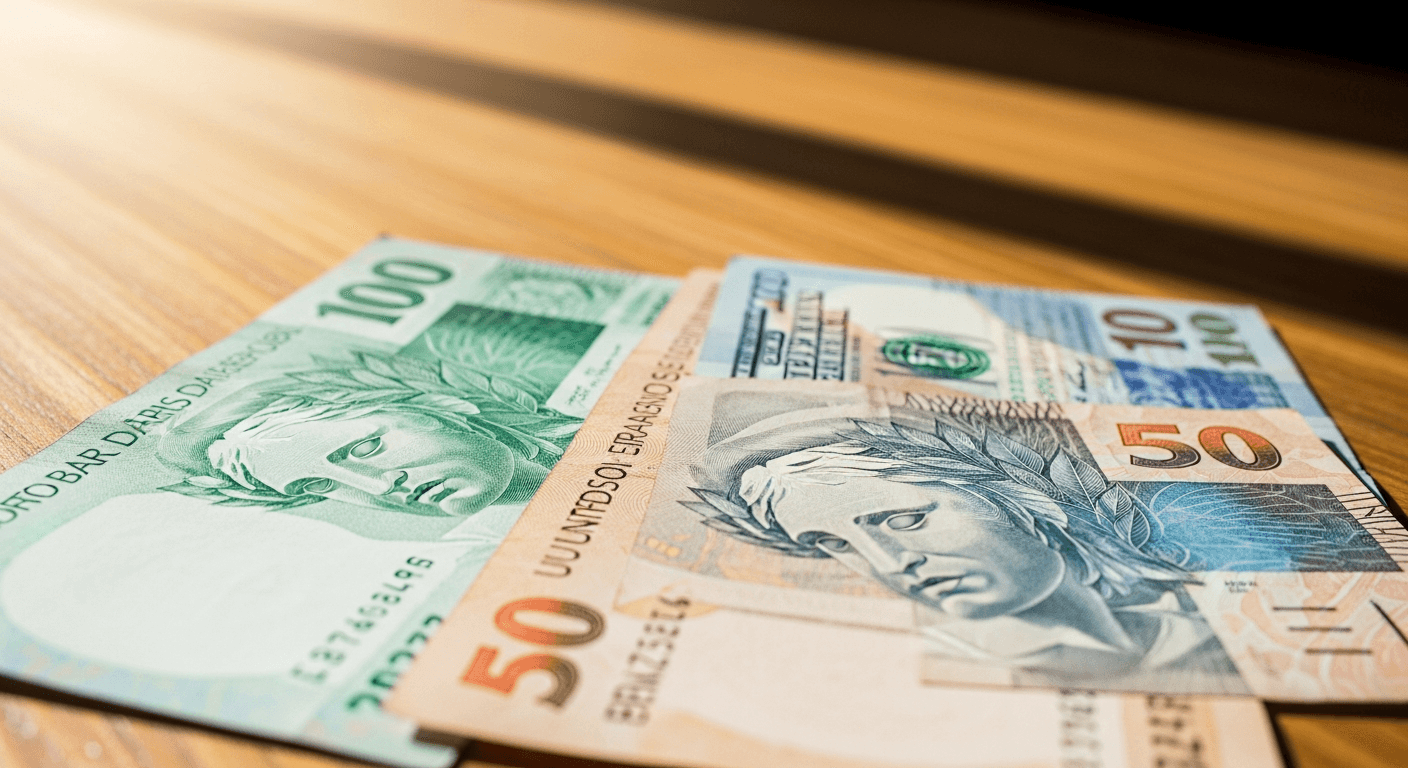
The Brazilian Real is finding significant structural support from record capital and commercial flows, creating a material counterweight to the market volatility typically driven by domestic fiscal uncertainties and US Federal Reserve policy. With the USD/BRL trading near 5.071333, the currency is being underpinned by a surge in U.S. Dollar supply that is dampening the depreciation pressure usually associated with perceived government spending risks. This stabilizing dynamic is rooted in a highly positive balance of payments picture, with Foreign Direct Investment (FDI) inflows continuing at a robust pace and a trade surplus that is breaking records.
The mechanism providing this structural floor stems from real-economy transactions: exports and long-term investment. For the first half of 2026, Brazil’s cumulative trade surplus hit an impressive $42.36 billion, a 40.3% increase from the prior year, driven largely by record-setting commodity flows. Exports from the powerful Brazilian agribusiness sector—particularly soybeans and corn—reached an historic high of $54.6 billion between January and April alone. Similarly, the mining sector contributed significantly, accounting for nearly half of the trade surplus in the first six months of the year, with $20.3 billion in earnings. When exporters convert these massive foreign currency receipts into Reais, the continuous, high-volume dollar supply naturally limits BRL weakness.
This commercial strength is complemented by stable capital flows. While official H1 2026 FDI totals are forthcoming, the country has consistently attracted strong foreign investment, with flows in 2025 totaling $77.7 billion, more than sufficient to cover the current account deficit. Unlike 'hot money' portfolio flows, this FDI represents stable, long-term investments in production and infrastructure, cementing a fundamental bias for USD supply in the Brazilian economy. This structural reality provides a buffer for the Brazilian Real that was often absent in prior cycles when fiscal health was tested.
Despite this fundamental support, analysts warn that the path forward for the USD/BRL will remain choppy. Volatility stemming from domestic fiscal uncertainties—particularly the continuous debate over primary deficit targets—and the unpredictable influence of the US Federal Reserve’s rate decisions continue to dominate daily headlines and short-term trading. However, the record commercial flow and stable FDI mean that a catastrophic currency collapse requires a much more significant external shock than was previously the case. Investors monitoring the Brazilian market, including those tracking the Brazil ETF (EWZ) and commodity-linked stocks, should view this structural supply as the true anchor for the currency.
Moving forward, the key figure to watch for investors is the government’s updated full-year trade surplus projection, which was raised to a record $90 billion in July. Sustained export performance near this ambitious target, coupled with the release of final H1 FDI numbers, will be the determining factors in whether the structural Real floor can continue to absorb political and international rate shockwaves without a major break.
Latest articles
Agro · PRO
Brazil's Bid for 80,000 Tons of Beef Exports to China Awaits Beijing's Quota Veto
Published
Markets · PRO
Brazil Finance Ministry Cuts 2026 GDP Forecast to 2.0% on Drag From High Selic Rate
Published
Investing · PRO
Brightshore Capital, Formerly GTIS Partners, Launches $250 Million Debt Platform Eyeing Brazilian Real Estate
Published