
Statistical Tie in Brazil Presidential Race Brings Back Political Risk Premium to the Real
The Brazilian Real weakened sharply after new polls showed incumbent President Lula and Senator Flávio Bolsonaro in a statistical tie, reintroducing a political risk premium to the currency.
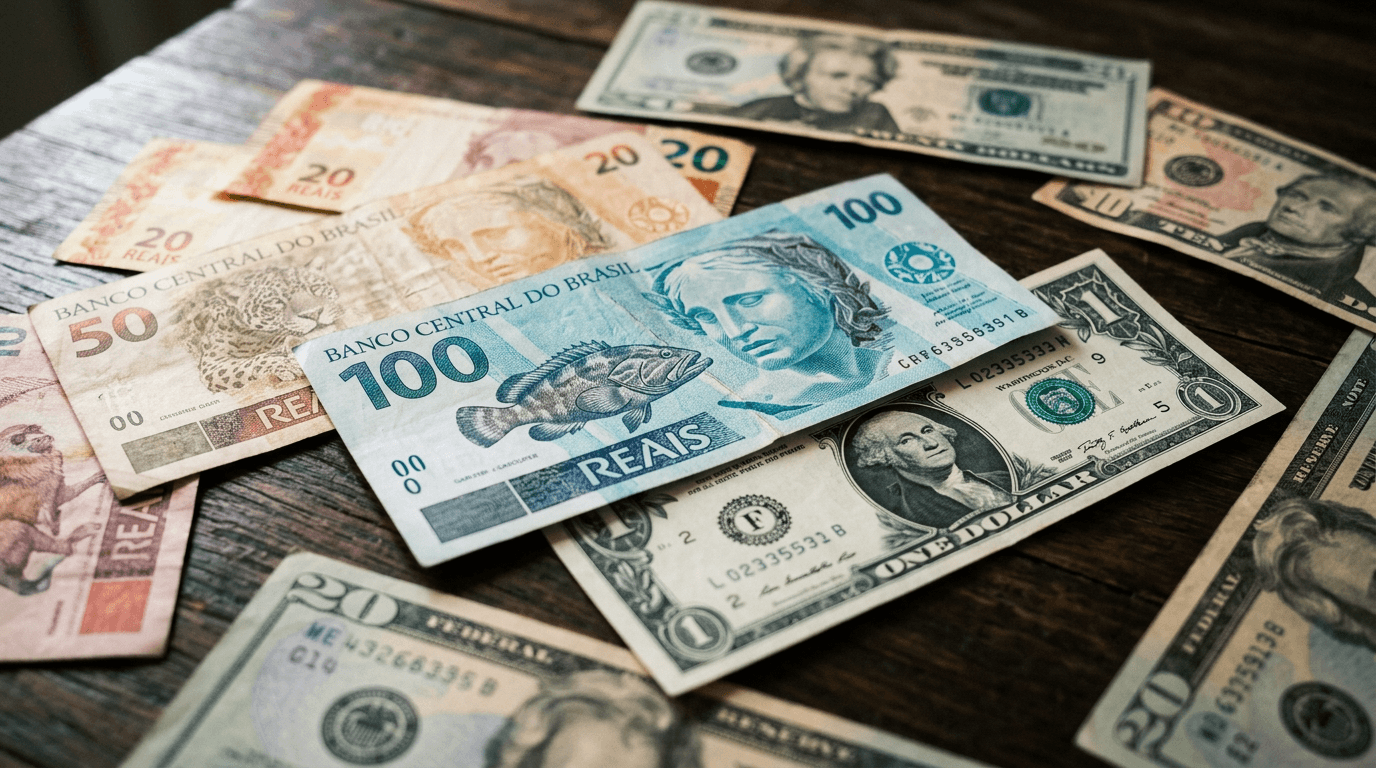
The Brazilian Real (BRL) fell sharply this week, weakening by 0.8% after a fresh wave of opinion polls showed President Luiz Inacio Lula da Silva and Senator Flávio Bolsonaro statistically tied ahead of the upcoming election. The sudden shift signals a return of the political risk premium to Brazil’s currency, as investors demand higher compensation for holding assets amid heightened uncertainty over the country’s next administration.
The latest surveys, including one from BTG Pactual/Nexus and a separate Quaest poll, found the two candidates neck-and-neck in a potential second-round runoff, indicating the race is tightening less than a month before the first-round vote in October. Flávio Bolsonaro, the son of former President Jair Bolsonaro, has gained ground and is generally viewed by financial markets as the more fiscally conservative, or "market-friendly," candidate. Conversely, incumbent President Lula's policies are often associated with greater state spending and fiscal risks.
The increasing probability of a lengthy and contentious runoff election is unnerving investors who favor certainty, pushing them to seek a higher rate of return to offset the risk of a significant policy shift. This uncertainty is effectively overwhelming what had been a major draw for the Real: Brazil’s exceptionally high interest rate.
The country’s benchmark interest rate, the Selic, currently stands at a high 14.00%. Such a high yield typically attracts foreign capital seeking a "carry trade," where investors profit from the interest rate differential between the BRL and lower-yielding currencies like the U.S. Dollar. However, when the risk of volatility or policy change rises, as it has with the tightening election, the appeal of that interest income shrinks drastically.
The timing of this political turbulence is particularly awkward for the Real, coming just hours before the Central Bank’s monetary policy committee (Copom) is widely expected to cut the Selic rate further at its meeting on Wednesday. A rate cut would reduce the yield cushion that has made the Real attractive, leaving the currency more exposed to electoral uncertainty. The U.S. Dollar was trading at R$5.169 against the Real on Tuesday afternoon.
What it touches
The sudden volatility in the Real immediately touches on Brazil's sovereign debt and equity markets. The market-wide risk-off mood after the poll releases saw the Ibovespa stock index fall 1.5%. Any investor holding Brazilian government bonds or local-currency denominated assets faces higher volatility and pressure on their returns as the political uncertainty is priced into the assets.
Latest articles
NASDAQ · PRO
Brazil Commits R$23 Billion to National AI Plan, Anchoring Supercomputer in Northeast for Tech Sovereignty
Published
Markets · PRO
Speculators Amass Massive Soybean Bet as Brazil’s Planting Season Begins
Published
Politics · PRO
Broad Coalition Warns Presidential Candidates Against Undermining Brazil’s Dual IVA Tax Reform
Published