
Persistent Financial Capital Flight Puts Pressure on Real Despite Robust Trade Surplus
Brazil's currency remains vulnerable as sustained financial outflows counter the strength of its US$42.4 billion trade surplus.
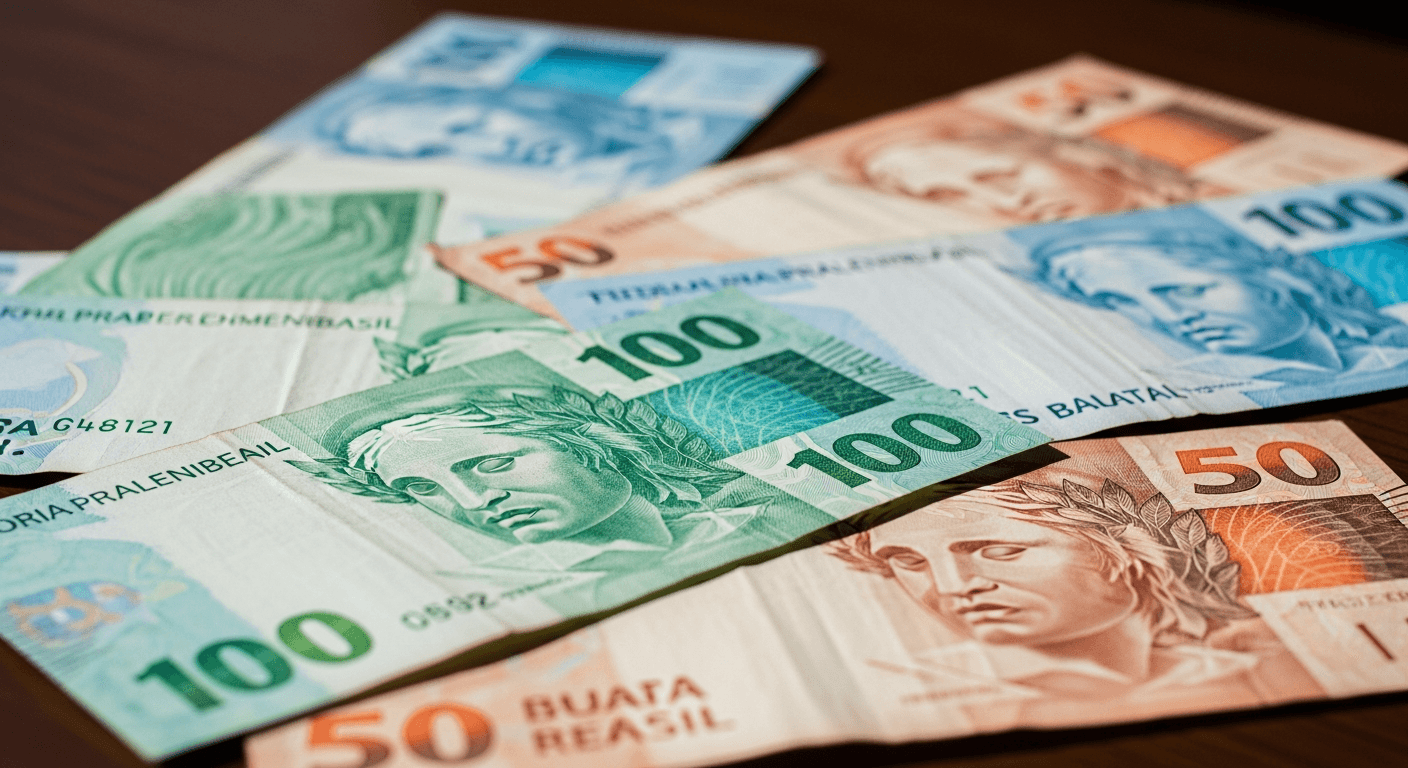
The Brazilian Real is failing to capitalize on a record-setting trade surplus, trading near R$5.071333 to the U.S. dollar, as structural caution from investors continues to drive significant capital out of the country's financial channel. Year-to-date through early July, the financial account, which tracks investments and profit remittances, recorded a net outflow of roughly US$17.6 billion. This capital flight stands in sharp contrast to the US$42.4 billion commercial surplus recorded for the first half of the year, a strong showing driven by agribusiness and commodity exports that ordinarily would provide a stronger appreciation boost to the currency.
The core mechanism behind this persistent weakness in the Brazilian Real (BRL) is the disconnect between the real economy—represented by the strong trade balance—and the financial market's sentiment toward local assets. While the flow of dollars from export revenue is high, that commercial cash is being systematically outweighed by dollars exiting the country through the financial channel. Analysts point to lingering concerns over Brazil's fiscal stability as the primary domestic driver, with questions surrounding the government’s ability to meet future fiscal targets and the fragility of the new fiscal framework keeping investors on edge.
This domestic fiscal uncertainty is compounded by the external pressure from U.S. monetary policy. The strong U.S. economy and the potential for a more hawkish Federal Reserve (Fed) have strengthened the U.S. Dollar (USD) globally, putting downward pressure on all emerging market currencies, including the BRL. For investors allocating capital, the blend of Brazilian fiscal risk and a high-yield, less volatile U.S. bond market makes Brazilian bonds and stocks a less compelling target, leading to net selling of domestic financial assets, a trend that overshadows the country’s strong export performance. This structural caution is evident in the trading of Brazilian assets, including the iShares MSCI Brazil ETF (EWZ), as investors prioritize capital preservation over exposure to the robust export sectors.
For investors tracking the USD/BRL exchange rate and Brazilian equities (B3 stocks), two key events will determine the Real’s immediate direction. Domestically, the Central Bank's Monetary Policy Committee (Copom) decision on the Selic benchmark interest rate, expected later this week, could influence carry-trade appeal; a cut, while expected, could marginally reduce the attractiveness of local assets and add to BRL weakness. Externally, any signal from the Fed regarding the near-term path for U.S. interest rates will directly impact global dollar strength. Until a credible plan for long-term fiscal consolidation is implemented, the Real is likely to remain vulnerable to external shocks, with financial flows acting as a constant drag against the support provided by the nation's trade surplus.
Latest articles
Agro · PRO
Brazil's Bid for 80,000 Tons of Beef Exports to China Awaits Beijing's Quota Veto
Published
Markets · PRO
Brazil Finance Ministry Cuts 2026 GDP Forecast to 2.0% on Drag From High Selic Rate
Published
Investing · PRO
Brightshore Capital, Formerly GTIS Partners, Launches $250 Million Debt Platform Eyeing Brazilian Real Estate
Published