
New US Tariffs on Brazilian Imports Threaten USD/BRL Volatility
A new 25% US tariff on Brazilian imports pushes total rates to 37.5%, driving USD/BRL volatility and threatening the Brazilian real's recent bullish momentum.
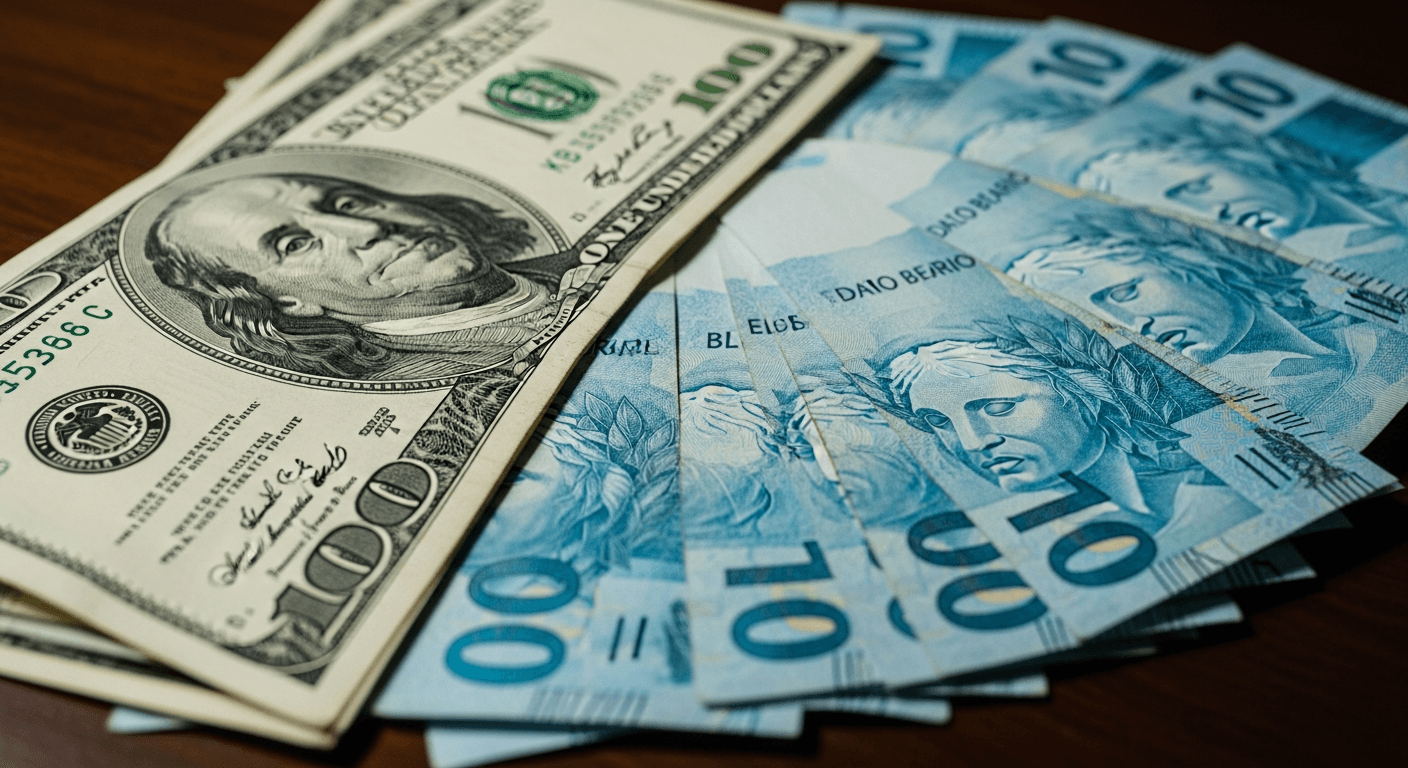
The implementation of a new 25% US tariff on key Brazilian exports has introduced a major fundamental headwind for South America’s largest economy, disrupting the Brazilian real's recent bullish momentum. Effective July 22, 2026, the Office of the US Trade Representative (USTR) activated the additional duty following a yearlong Section 301 investigation. This new measure raises the total stacked tariff rate on affected Brazilian goods to 37.5%, immediately elevating trade tensions and driving up currency market fluctuations.
The underlying mechanism of this tariff directly pressures the Brazilian real forecast. By raising the cost of Brazilian goods in the US, the tariffs threaten to reduce export volumes, potentially widening Brazil's current account deficit and dampening foreign capital inflows. However, the immediate damage to the trade balance is partially cushioned because major commodity exports—such as beef, coffee, orange juice, and energy products—are currently exempt from the 25% levy. This carve-out protects heavyweights in the Brazil agribusiness sector and limits the worst-case economic fallout.
In the foreign exchange market, the USD/BRL exchange rate reacted with increased volatility, trading around 5.13 per USD following the tariff activation. This represents a shift from earlier in July when renewed carry-trade interest had strengthened the real to 5.06 per USD. On the equity side, global investors looking to invest in Brazil are closely monitoring the benchmark MSCI Brazil ETF (EWZ) and major state-backed entities like Petrobras (PETR4 / PBR), which remain highly sensitive to trade-related sentiment and global energy demand.
Moving forward, market participants will focus on whether Brasilia retaliates or successfully negotiates bilateral exemptions to prevent further economic friction. While the exemption of key raw materials has prevented an outright sell-off in Brazilian ADRs and local equities, any expansion of the US tariff list or retaliatory measures from Brazil could trigger sharper capital outflows, keeping USD/BRL under sustained upward pressure.
Latest articles
Agro · PRO
Brazil's Bid for 80,000 Tons of Beef Exports to China Awaits Beijing's Quota Veto
Published
Markets · PRO
Brazil Finance Ministry Cuts 2026 GDP Forecast to 2.0% on Drag From High Selic Rate
Published
Investing · PRO
Brightshore Capital, Formerly GTIS Partners, Launches $250 Million Debt Platform Eyeing Brazilian Real Estate
Published