
Hawkish Fed Outlook Looms as Dominant External Risk to Brazilian Real
A stronger U.S. Dollar driven by a hawkish Federal Reserve threatens BRL depreciation and upward pressure on local interest rate futures.
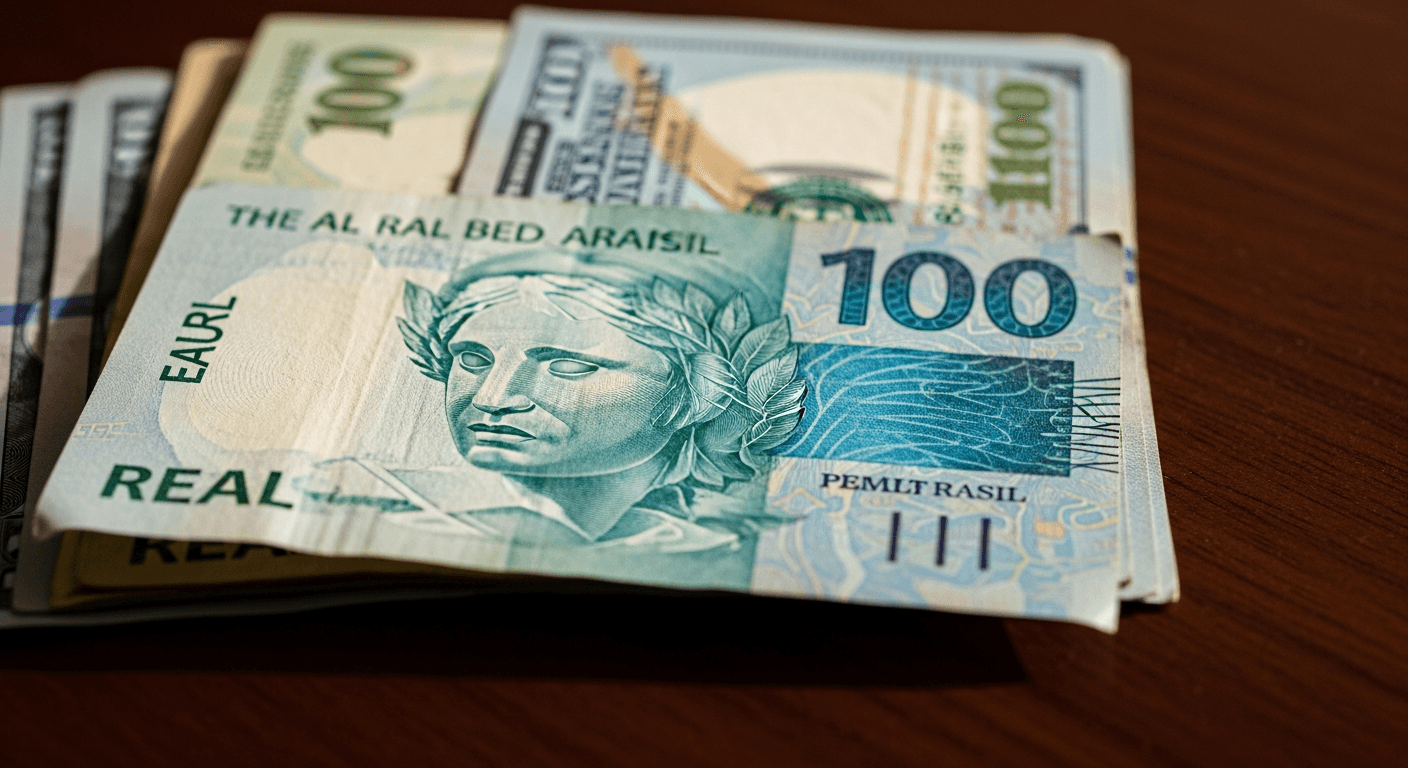
The threat of a more hawkish communication from the U.S. Federal Reserve (FOMC) remains the dominant external risk for the Brazilian financial market, signaling potential depreciation for the Brazilian Real and upward pressure on local interest rate futures. The Real is currently holding relatively steady against the U.S. Dollar, trading at USD/BRL 5.1011 as of today. However, analysts warn that any shift toward a firmer stance by the Fed, particularly reinforcing expectations that U.S. interest rates will remain elevated for longer, could strengthen the U.S. Dollar globally and cause capital to exit emerging markets.
The mechanism for depreciation is centered on the narrowing interest rate differential, which underpins the popular Brazilian "carry trade." When U.S. rates are high, the relative return on Brazilian assets diminishes, leading investors to pull capital out of the country in favor of higher-yielding or less volatile dollar-denominated assets. This outflow creates selling pressure on the Brazilian Real, pushing the USD/BRL exchange rate higher. Past episodes show the Real weakens alongside other emerging-market currencies during periods of Fed hawkishness.
The second-order effect of a strengthened dollar and a weaker Real is felt directly in the Brazilian fixed income market, particularly in local interest rate futures (DIs). A depreciating Real increases the cost of imports—such as fuel, fertilizers, and technology—which can translate directly into higher domestic inflation. To counteract this imported inflation and defend the currency's purchasing power, the Banco Central do Brasil (BCB) is typically forced to keep its policy rate, the Selic, elevated. This need to maintain an attractive rate differential or fight inflation pushes up the price of DI futures, essentially pricing in the market’s expectation that the BCB cannot ease monetary policy aggressively.
While the immediate market reaction has been muted following a recent cautious stance from the BCB—which has attempted to preserve the differential—investors remain highly sensitive to any shift in Washington. For investors in Brazil-focused instruments like the EWZ ETF, a stronger dollar acts as a material headwind to their dollar-denominated returns.
Looking ahead, the market’s focus will be entirely on U.S. economic data releases, particularly upcoming employment figures and manufacturing indices. Stronger-than-expected data points would likely increase bets on a Federal Reserve rate hike or delayed cuts, immediately boosting U.S. Treasury yields and serving as the next catalyst for BRL depreciation. Conversely, signs of a cooling U.S. economy could temper the hawkish threat, providing crucial breathing room for the Real.
Latest articles
Agro · PRO
Brazil's Bid for 80,000 Tons of Beef Exports to China Awaits Beijing's Quota Veto
Published
Markets · PRO
Brazil Finance Ministry Cuts 2026 GDP Forecast to 2.0% on Drag From High Selic Rate
Published
Investing · PRO
Brightshore Capital, Formerly GTIS Partners, Launches $250 Million Debt Platform Eyeing Brazilian Real Estate
Published