
Capital Flight Caps BRL Gains as High US Yields Pressure IBOV
Persistent foreign capital outflows and rising domestic inflation limit the Brazilian Real's recovery, dragging the Ibovespa down 8.2% in Q2 2026.
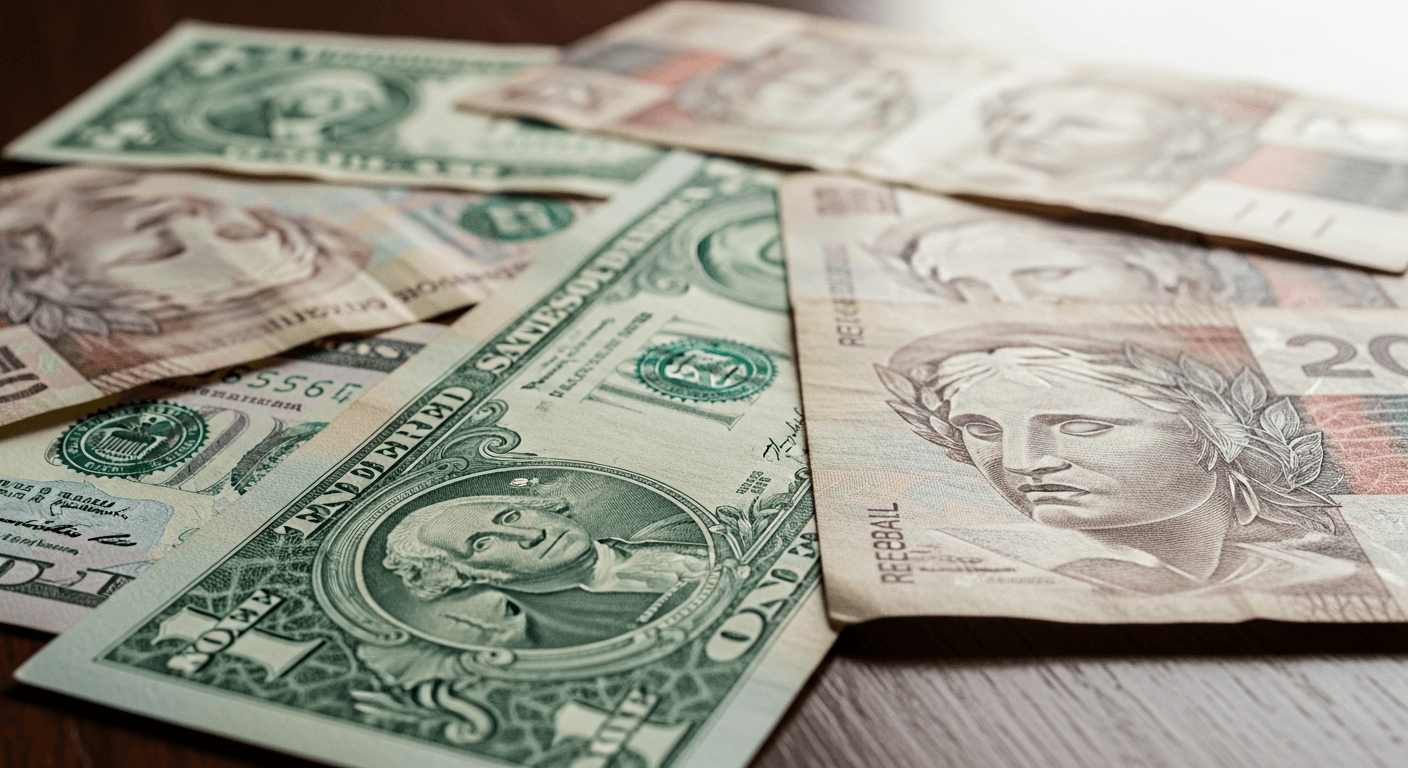
A persistent wave of foreign capital outflow continues to weigh heavily on Brazilian financial assets, limiting the recovery of the Brazilian Real (BRL) and dragging domestic equities lower. The benchmark Ibovespa (IBOV) index closed June with its fourth consecutive monthly decline, culminating in an 8.23% drop for the second quarter of 2026. Stronger-than-expected US labor market expectations and rising domestic inflation projections have combined to drive international investors out of local risk assets, leaving the currency highly vulnerable.
The narrowing yield gap between the US and Brazil remains a primary catalyst for the capital flight. The US Federal Reserve maintained its benchmark interest rate at a target range of 3.50% to 3.75% in June, supported by solid economic expansion and a tight labor market. Meanwhile, Brazil's annual inflation rate accelerated to 4.72% in May, breaching the upper limit of the central bank's target range and complicating the local monetary easing cycle.
This macroeconomic backdrop has severely dented the appeal of Brazilian carry trades and equities. The USD/BRL exchange rate fell slightly by 0.23% to end June at 5.163, but market analysts note that the currency remains highly sensitive to upward shifts in US Treasury yields. Foreign investors pulled approximately R$ 8.7 billion from the Brazilian stock exchange in June alone, redirecting capital toward high-yielding US debt and a surging global technology sector.
Latest articles
Agro · PRO
Brazil's Bid for 80,000 Tons of Beef Exports to China Awaits Beijing's Quota Veto
Published
Markets · PRO
Brazil Finance Ministry Cuts 2026 GDP Forecast to 2.0% on Drag From High Selic Rate
Published
Investing · PRO
Brightshore Capital, Formerly GTIS Partners, Launches $250 Million Debt Platform Eyeing Brazilian Real Estate
Published