
BRL Under Pressure as US Imposes 25% Tariffs on Brazil
The US is slapping 25% tariffs on Brazilian imports, threatening to squeeze Brazil's trade surplus and halting the Real's strong 2026 momentum.
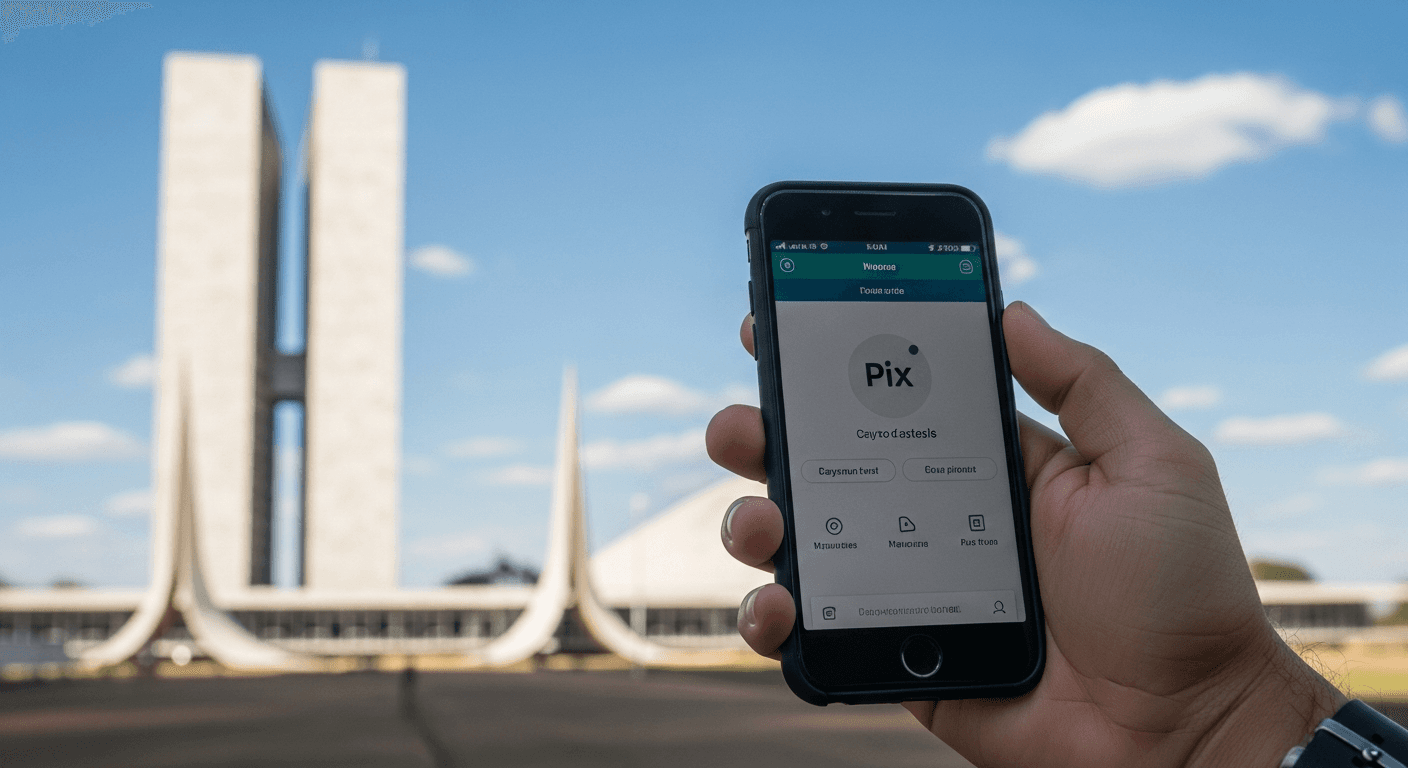
The US dollar surged against the Brazilian Real on Thursday, pushing the USD/BRL currency pair toward the 5.10 level following Washington's late-night announcement of a 25% tariff on certain Brazilian imports. The punitive duties, scheduled to take effect on July 22, 2026, are the result of a yearlong Section 301 investigation by the Office of the US Trade Representative (USTR). The probe concluded that several of Brazil's trade and digital policies are discriminatory and restrict American commerce.
A primary catalyst for the trade dispute is Brazil’s highly successful instant payment system, Pix. The USTR alleges that the Central Bank of Brazil, acting as both regulator and operator of Pix, enforces fee caps and mandates that unfairly disadvantage US electronic payment and credit card companies. While the tariffs exempt key commodities such as coffee, beef, and aerospace components, they will apply broadly to other industrial goods and ethanol. In response, Brasilia denounced the unilateral measures and announced plans to invoke its Economic Reciprocity Law, sparking fears of a retaliatory tariff war.
This sudden trade friction interrupts a stellar first half of 2026 for the Brazilian currency. Backed by robust agricultural exports and high domestic interest rates—with the Selic benchmark rate sitting at 14.25%—Brazil recorded a net foreign exchange inflow of $17.78 billion through June, its strongest start to a year since 2018. The tariff shock now threatens to shrink Brazil's trade surplus and reduce the vital dollar inflows that have supported the Real's recent gains.
Financial markets reacted swiftly to the geopolitical escalation. Alongside the weakening of the Real, Brazil's benchmark Bovespa stock index (IBOV) faced downward pressure, while major state-backed and export-heavy equities like Petrobras (PETR4) saw increased volatility as traders assessed the potential impact of reciprocal tariffs and rising compliance costs. Investors are closely watching whether ongoing bilateral negotiations can defuse the dispute before the July 22 implementation deadline.
Latest articles
Agro · PRO
Brazil's Bid for 80,000 Tons of Beef Exports to China Awaits Beijing's Quota Veto
Published
Markets · PRO
Brazil Finance Ministry Cuts 2026 GDP Forecast to 2.0% on Drag From High Selic Rate
Published
Investing · PRO
Brightshore Capital, Formerly GTIS Partners, Launches $250 Million Debt Platform Eyeing Brazilian Real Estate
Published