
Brazilian Real Outperforms Global Peers on Surging Energy Demand
The Brazilian real decouples from emerging market trends as rising crude exports to China and global energy demand bolster the country's trade balance.
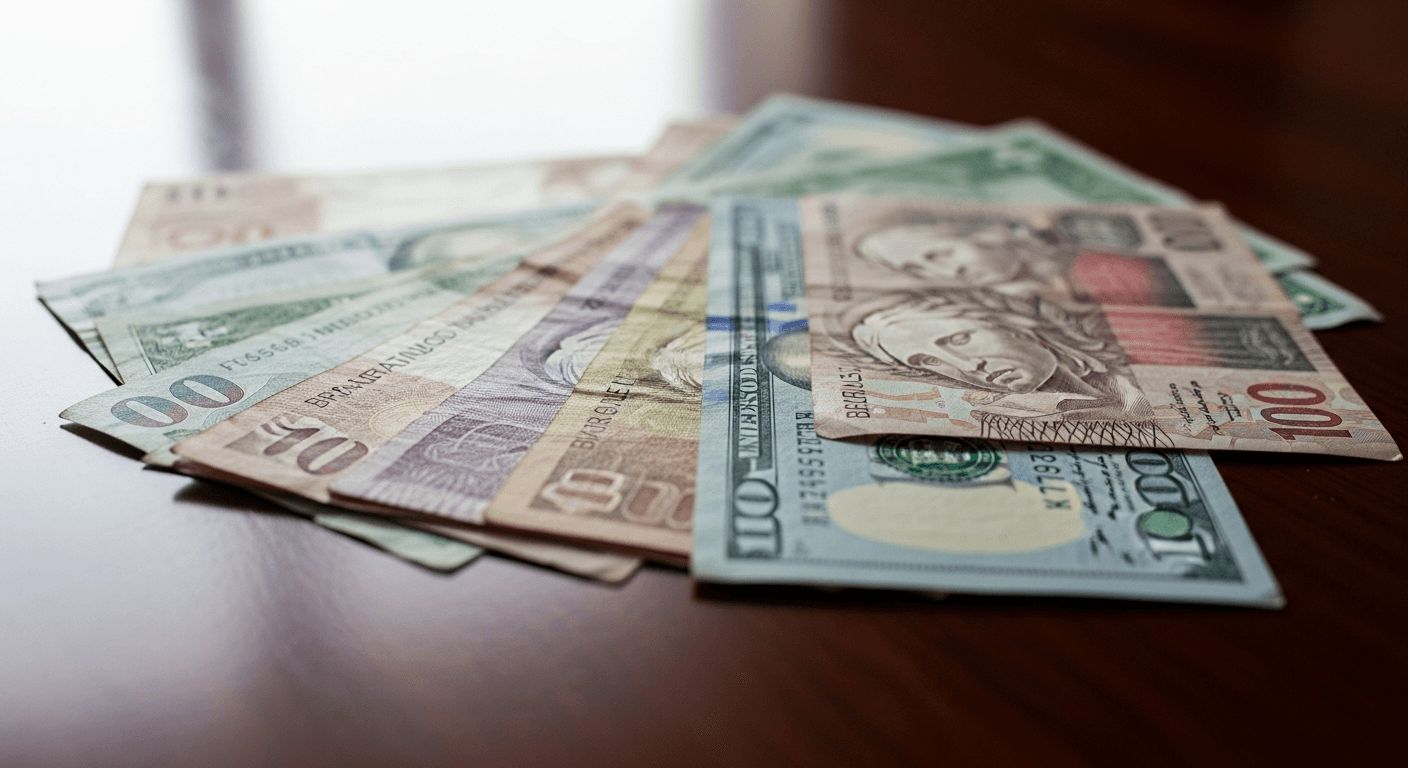
The Brazilian real is demonstrating unique resilience in the global foreign exchange markets, decoupling from broader emerging market downward trends. While geopolitical tensions in the Middle East pressure peer currencies, the USD/BRL has broken down to a lower realm near 5.06 to 5.09, trading at 5.074167 as of today. This outperformance comes as international investors increasingly look to invest in Brazil, viewing the South American nation as a stable alternative energy hub.
A surge in energy inquiries and orders from Asia is providing strong structural support to the Brazilian real forecast. Ongoing shipping disruptions in the Strait of Hormuz have prompted major Asian buyers, particularly China and India, to diversify their crude oil supply away from the Middle East. Brazil has emerged as a primary beneficiary of this trade shift, with its crude exports to China reaching a record $15.1 billion in the first half of 2024. This strong export performance has significantly bolstered the country's trade balance, driving inflows that support the local currency.
From a technical perspective, the USD/BRL currency pair is currently trading below its 20-, 50-, and 200-day moving averages. This alignment signals sustained downward momentum for the pair, indicating continued strength for the real. The currency's decoupling is also reflected in the broader Brazilian financial markets, where the benchmark Ibovespa index (IBOV) and the major Brazil ETF (EWZ) have shown relative stability. State-backed energy giant Petrobras (PETR4 / ADR: PBR) remains a focal point for global energy traders as the country's pre-salt fields continue to drive record output.
Looking ahead, the currency's trajectory will remain closely tied to both global commodity demand and domestic monetary policy. Investors are keeping a close eye on upcoming central bank action, as any future Copom decision on the benchmark Selic rate will need to balance resilient economic growth with global inflation pressures. For now, the structural boost from Brazil agribusiness and surging petroleum exports continues to shield the real from the volatility affecting other emerging market assets.
Latest articles
Agro · PRO
Brazil's Bid for 80,000 Tons of Beef Exports to China Awaits Beijing's Quota Veto
Published
Markets · PRO
Brazil Finance Ministry Cuts 2026 GDP Forecast to 2.0% on Drag From High Selic Rate
Published
Investing · PRO
Brightshore Capital, Formerly GTIS Partners, Launches $250 Million Debt Platform Eyeing Brazilian Real Estate
Published