
Brazil Targets Stablecoin Arbitrage With 24-Hour Hold Rule
The Banco Central do Brasil proposes a 24-hour hold on stablecoin transfers over $10,000, disrupting cheap cross-border remittance channels.
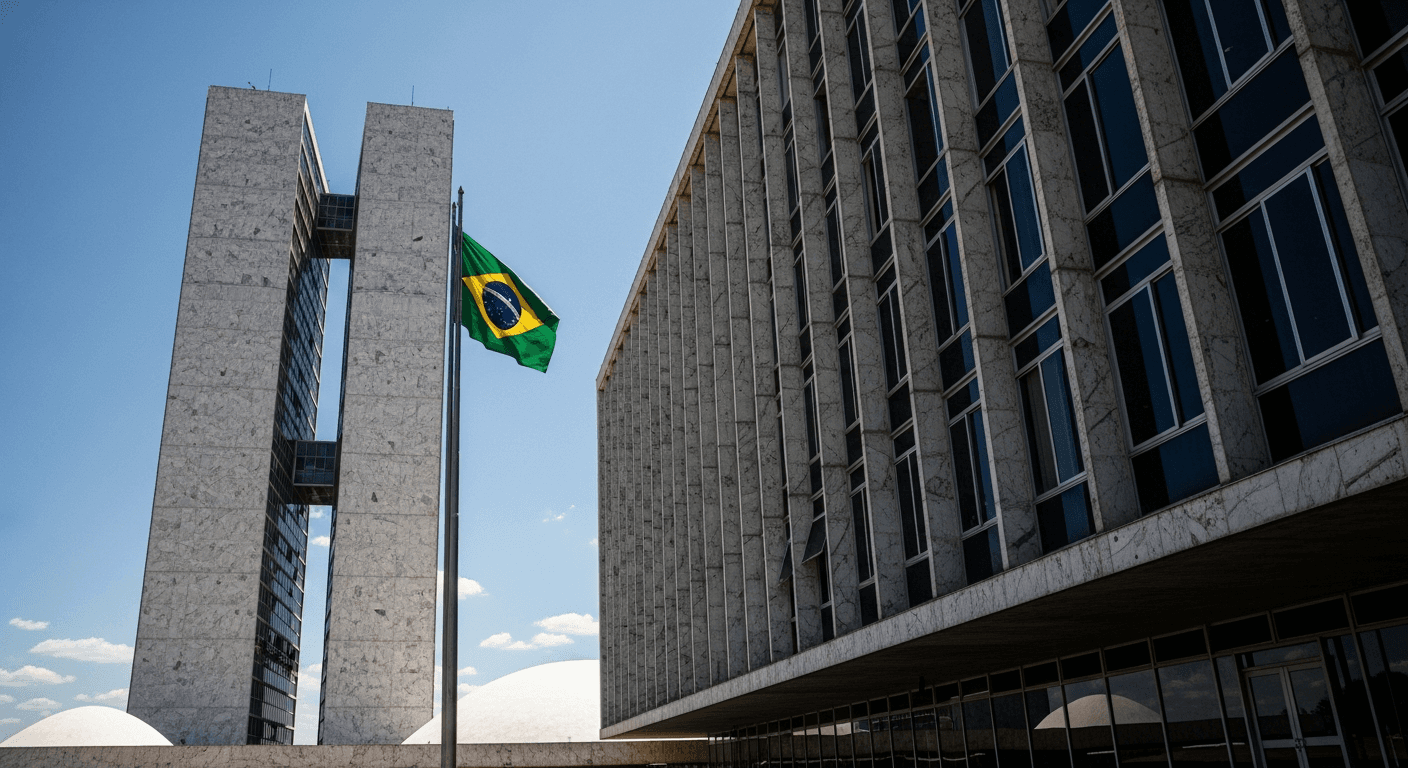
The Banco Central do Brasil (BCB) has proposed a mandatory 24-hour preventive hold on outbound stablecoin transfers of $10,000 or more, targeting transactions sent abroad or to self-custody wallets. The draft rule, which applies to single transactions or cumulative daily transfers exceeding the threshold, aims to curb illicit flows and slow down rapid capital flight. However, the move is set to disrupt cheap cross-border remittance channels and pressure local fintech valuations by treating dollar-pegged stablecoins as foreign exchange rather than ordinary digital cash.
This proposal represents the BCB’s latest tightening measure following the publication of Resolution No. 561. That regulation bars electronic foreign exchange (eFX) providers from using stablecoins like USDT and USDC to settle cross-border remittances starting October 1, 2026. By closing these institutional settlement shortcuts and introducing a 24-hour holding period, the central bank is systematically dismantling the low-cost, high-speed rails that local fintechs have relied upon to bypass traditional, expensive banking corridors.
The regulatory shift directly impacts Latin America's largest stablecoin market. In Brazil, stablecoins account for roughly 90% of the country’s $6 billion to $8 billion in monthly cryptocurrency volume. While retail users transacting under the $10,000 daily limit will remain unaffected, corporate treasury operations, payroll providers, and arbitrage traders face significant friction. Industry groups, including the Brazilian Cryptoeconomy Association (ABcripto), have pushed back, warning that a mandatory next-day settlement window erases the core speed advantage of digital assets and could push transactions toward unregulated channels.
Latest articles
Agro · PRO
Brazil's Bid for 80,000 Tons of Beef Exports to China Awaits Beijing's Quota Veto
Published
Markets · PRO
Brazil Finance Ministry Cuts 2026 GDP Forecast to 2.0% on Drag From High Selic Rate
Published
Investing · PRO
Brightshore Capital, Formerly GTIS Partners, Launches $250 Million Debt Platform Eyeing Brazilian Real Estate
Published