
Zero Tariffs on Brazilian Agro Exports to Singapore Start August 1st with Mercosur FTA
Brazil's Mercosur-Singapore FTA takes effect August 1, immediately eliminating tariffs on all Brazilian exports to the key Asian hub.
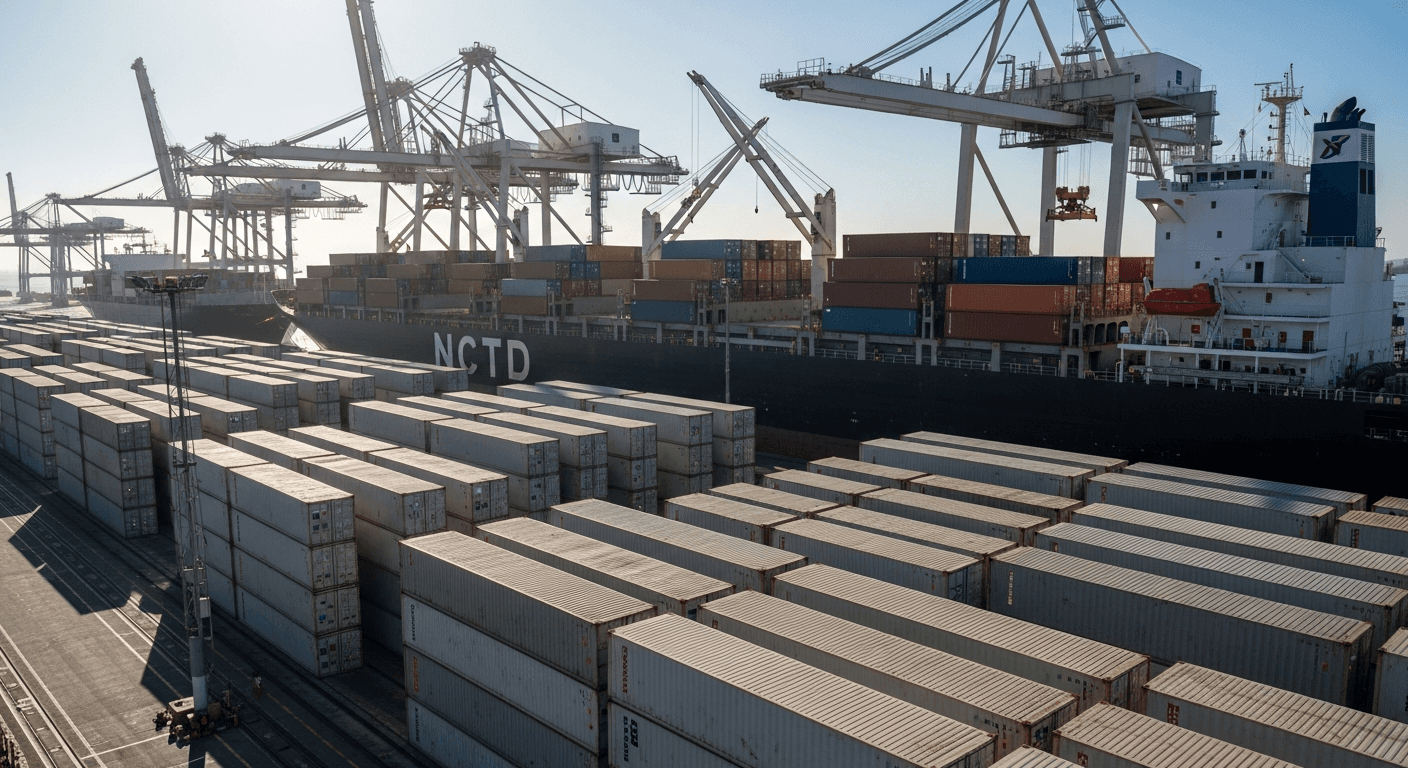
The Mercosur-Singapore Free Trade Agreement (FTA) is scheduled to enter into force for Brazil on August 1st, immediately eliminating tariffs on 100% of all Brazilian exports to the city-state, providing a significant boost to major Brazilian meatpackers and other agro-industrial companies that rely on export sales. The immediate elimination of all tariffs by Singapore positions the key Asian financial and trade hub as an even more favorable gateway for Brazilian products into Southeast Asia, a move designed to enhance the profitability and competitiveness of the country’s main food exporters.
The mechanism for the market opportunity is simple: zero tariffs translate directly into wider margins and lower landed costs, immediately benefiting firms exporting products like Brazilian beef, pork, and poultry, as well as fuel oils and machinery. In 2025, Brazilian exports to Singapore totaled US$7.4 billion. Companies with significant export exposure and South American operations, such as JBS S.A. (JBSS3), Marfrig Global Foods (MRFG3), BRF S.A. (BRFS3), and Minerva S.A. (BEEF3), stand to gain directly from this improved market access. The Brazilian government projects the FTA could increase Mercosul’s annual exports to Singapore by US$500 million.
The market anticipation of such opportunities remains a key variable for investors. Trading activity for the major meatpackers today saw Marfrig (MRFG3) close at R$16.30 (as of July 28) and Minerva (BEEF3) at R$3.41 (as of July 28), while BRF (BRFS3) last closed at R$19.78. The FTA’s impact comes as traders continue to monitor the market positioning in key Brazilian agricultural commodities. Commitment of Traders (COT) data shows a significant net long position in corn (492,296 long contracts against 305,646 short), a slight net long in soybeans (182,923 long against 69,063 short), and a net long in coffee (52,395 long against 25,140 short), suggesting continued positive sentiment toward the underlying softs.
The structural gains from the FTA arrive while the country's upcoming planting season outlook is being shaped by dry conditions in crucial crop-producing regions. Major areas like Rio Verde-GO, Luís Eduardo Magalhães-BA, and Sorriso-MT are reporting zero or near-zero rainfall over the last seven days (0.0mm, 0.0mm, and 0.1mm, respectively), with seven consecutive dry days, raising potential concerns for soil moisture ahead of new crop cycles. By contrast, Cascavel-PR recorded 25.5mm of rain in the last seven days. The successful implementation of the FTA offers a trade advantage that acts as a counter-cyclical structural positive, reducing reliance on strong international demand overcoming potential domestic supply challenges caused by adverse weather.
What investors should watch next is the first set of trade data prints following the August 1st in-force date for Brazil, which will quantify the initial uplift in export volumes and prices achieved by these large-cap food processors. These companies' earnings guidance in the coming quarters will be critical to determine if the tariff relief is flowing through to the bottom line, thereby justifying the trade-side opportunity presented by the expansion of the Brazilian trade agreement network.