
Wheat Surpasses $7 on Geopolitical Risks; Brazil Cautious
Global wheat prices surge past $7 per bushel on Black Sea tensions, while Brazil's domestic market remains cautious despite a projected import spike.
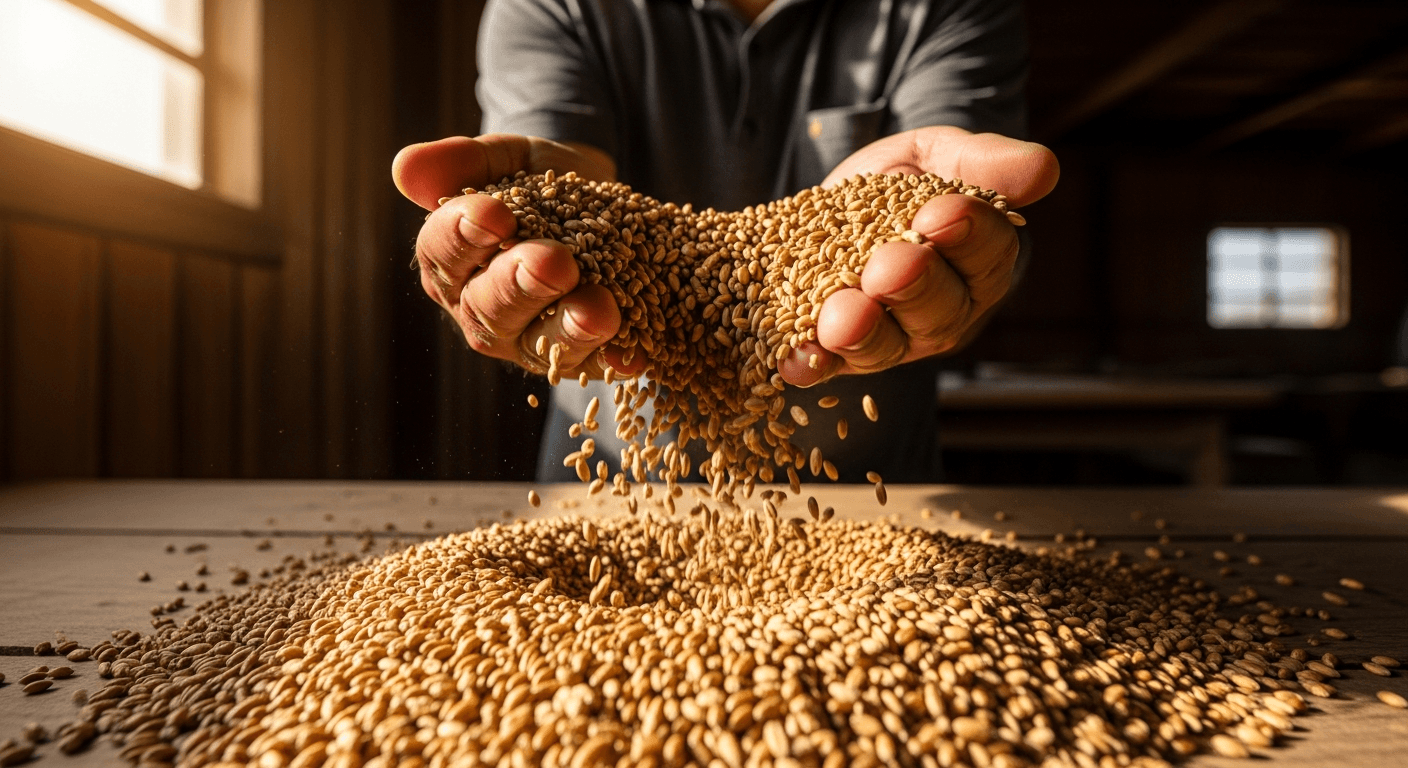
Geopolitical tensions in the Black Sea and severe weather in the Northern Hemisphere have pushed international wheat prices past a key milestone. On July 22, 2026, the September 2026 wheat contract on the Chicago Board of Trade (CBOT) surpassed US$7.00 per bushel for the first time since late 2023. Despite this international price surge, the domestic market in Brazil remains slow and cautious, with local producers hesitating to enter forward contracts as they assess how these global pressures will transmit to local supply chains.
The primary mechanism driving global wheat prices is a dual threat of supply disruptions and crop failures. Intensified military conflicts in the Black Sea region have forced Ukrainian shipowners to suspend port arrivals and prompted Russia to restrict commercial shipping through the Kerch Strait, effectively sidelining a significant portion of global export capacity. Concurrently, extreme weather has battered global crops. The USDA projects the smallest U.S. wheat crop in over 50 years due to severe drought in the Southern Plains, while heatwaves in Europe have slashed French production forecasts.
For global investors tracking the Brazil ETF (EWZ) and B3 stocks, this international volatility carries significant domestic implications. Brazil is on the verge of its highest wheat import dependence in history. The country’s 2026/27 wheat planted area has contracted by 20% to 1.905 million hectares, with potential production estimated to plunge 27.9% to just 5.855 million metric tons. To balance its domestic demand, Brazil will need to import more than 8 million metric tons. This heavy reliance on foreign grain means that elevated CBOT prices will eventually pressure local food inflation and strain logistics, even as the local market currently experiences an off-season lull.
Despite the looming import spike, Brazilian domestic trading remains quiet. Local producers are holding back, waiting to see how the USD/BRL exchange rate and international trends solidify before committing to forward contracts. On the agricultural front, dry conditions persist across key producing regions, with Sorriso-MT, Rio Verde-GO, and Luís Eduardo Magalhães-BA all recording 0.0mm to 0.9mm of rain and 7 consecutive dry days over the last week. Meanwhile, Cascavel-PR registered 18.7mm of rain with 5 dry days, slightly aiding local soil moisture.
Going forward, market participants will closely monitor the USD/BRL currency pair and the upcoming CONAB crop report on August 13 to gauge the exact deficit in domestic supply. If the Brazilian real weakens further against the U.S. dollar, the cost of importing 8 million tons of wheat at over US$7 per bushel will amplify inflationary pressures, likely influencing future central bank interest rate decisions and shaping the outlook for those looking to invest in Brazil.