
US and Brazil Set First In-Person Tariff Talks in Milwaukee Amid Agro-Industrial Trade Tensions
High-level Brazilian and US officials will meet in Milwaukee on September 30-October 1 for the first time since the US imposed a 25% tariff on Brazilian goods over ethanol access and deforestation concerns.
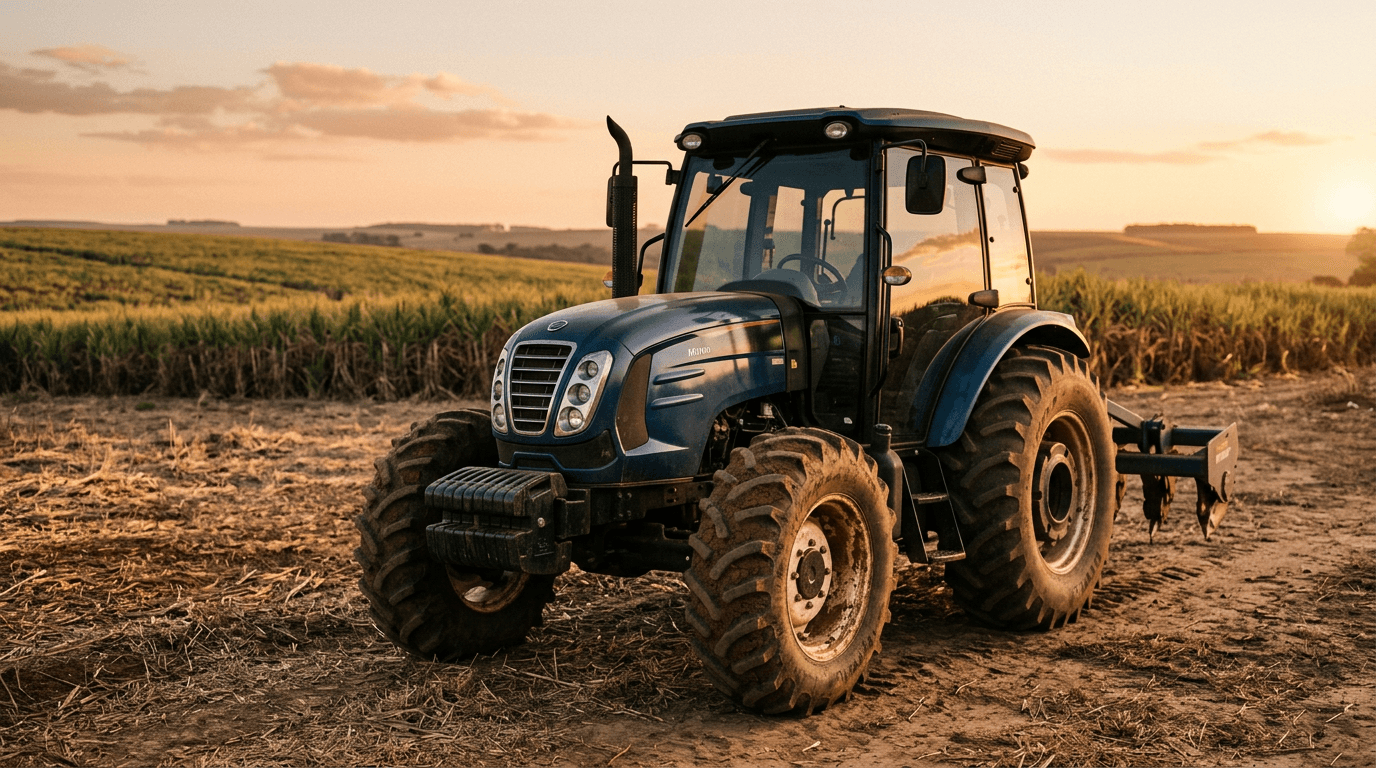
Brazilian and U.S. officials will meet in Milwaukee, Wisconsin, on September 30 and October 1 for the first high-level, in-person talks since the United States imposed a 25% tariff on a broad range of Brazilian industrial and agro-industrial exports in July. The meeting creates the first clear political window for both countries to relieve significant trade pressure that has hit key Brazilian export sectors, including ethanol and farm machinery manufacturers.
The Brazilian delegation is expected to include Foreign Minister Mauro Vieira and Márcio Elias Rosa, the Minister of Development, Industry, Commerce and Services (MDIC)—the agency responsible for managing Brazil’s foreign trade relations. They will meet with U.S. Trade Representative (USTR) Jamieson Greer during the G20 Trade Ministerial, with the central objective of removing the tariffs imposed unilaterally by Washington.
Mechanism and Justification for Tariffs
The USTR imposed the 25% levy following a year-long investigation under Section 301 of the U.S. Trade Act of 1974, which permits the U.S. to take action against foreign trade practices deemed unfair or discriminatory. USTR Greer cited a multi-pronged list of Brazilian practices that it deemed unreasonable and restrictive to U.S. commerce. Key among these was Brazil's failure to provide reciprocal tariff treatment for U.S. ethanol exports, which the USTR claims caused U.S. exports to plummet by 87% from a 2018 peak.
The U.S. also pointed to what it called Brazil's ineffective enforcement against illegal deforestation, arguing that this practice allows certain Brazilian farmers to gain an unfair advantage over their American counterparts. While Washington exempted major agricultural commodities like beef, coffee, bananas, and nuts from the new tariff—citing concerns over domestic supply—the tariffs specifically targeted processed goods and industrial products, including farm machinery and certain wood products, directly impacting manufacturers in states like São Paulo and Rio Grande do Sul.
The Diplomatic Impasse
Since the tariffs were imposed, Brasília has consistently denounced the measures as "unjustified and inconsistent" with global trade rules. Minister Elias Rosa noted that the tariffs also include a potential additional 12.5% surcharge on some goods related to forced labor concerns, creating a combined tariff burden of up to 37.5% on certain products. The resumption of a ministerial-level dialogue follows a high-level call between the presidents, which signalled a willingness to negotiate a solution rather than escalating the dispute to the World Trade Organization (WTO).
The upcoming talks will test the current diplomatic momentum. For Brazilian exporters, a negotiated resolution would stabilize access to a major market at a time when the Brazilian real remains under pressure, trading at R$5.169 to the U.S. dollar. Failure to reach a de-escalation agreement could cement the new tariff wall, forcing key Brazilian sectors to pivot away from their largest market outside of South America.
What it touches
The resolution of this trade dispute directly impacts manufacturers in the Brazilian agro-industrial sector, particularly companies involved in ethanol production and farm machinery. A successful negotiation would relieve the pressure of the 25% additional tariff on these goods, which took effect in July. Conversely, a failure to reach an accord would likely lead to a protracted trade conflict and potential escalation, leaving Brazilian manufacturers to absorb the cost of the tariffs or pass them on to U.S. importers.