
Soybean Price Bounce Sparks Rapid Selling Wave by Brazilian Farmers
A short-term recovery in global soybean prices has opened a critical cash-generation window, prompting Brazilian farmers to aggressively accelerate crop sales.
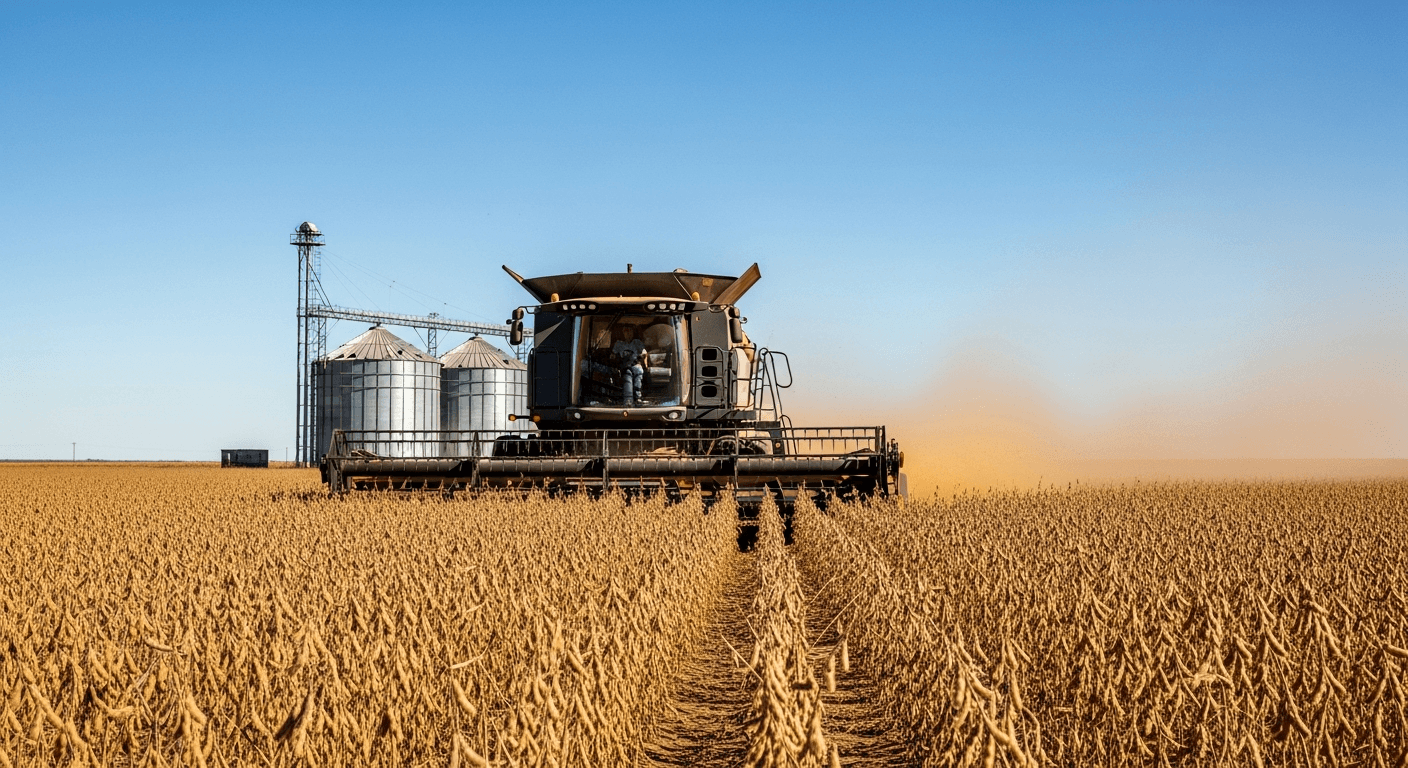
A short-term recovery in global agricultural commodity prices has opened a critical cash-generation window for South American producers. Brazilian farmers have aggressively accelerated sales of both current and future crops to lock in margins amid a broader commodities rally. Over the last two weeks, Brazilian soybean commercialization jumped by 6 to 9 percentage points as producers rushed to capitalize on the price bounce. This selling wave comes as the Bloomberg Agriculture Spot Index hit its highest level since July 2023, following seven consecutive weeks of gains.
The rapid commercialization has also extended to the unplanted 2026/2027 crop, with future sales accelerating by 4 to 5 percentage points over the same period. For global investors tracking the Teucrium Soybean Fund (SOYB) and major agricultural exporters, this sudden surge in hedging activity highlights how quickly producers are moving to secure liquidity. The selling pressure is highly focused on mitigating risks associated with high domestic borrowing costs and volatile currency fluctuations.
This aggressive selling wave is unfolding against a backdrop of mixed regional weather patterns across Brazil’s primary agricultural hubs. According to recent field data, key producing regions are experiencing prolonged dry spells: Sorriso in Mato Grosso, Luís Eduardo Magalhães in Bahia, and Rio Verde in Goiás have all registered 0.0 mm to 0.7 mm of rain and 7 consecutive dry days. Conversely, Cascavel in Paraná has received 35.9 mm of rainfall with only 4 dry days. These localized weather variations, combined with a shifting currency outlook, are driving farmers to secure prices before any potential market reversals.
For global asset allocators tracking the broader Brazil stock market today, this cash-generation phase provides a crucial buffer for the country's massive farm sector. Agricultural companies heavily influence the performance of the Ibovespa today, the benchmark index for B3 stocks. The accelerated pace of export commitments is also expected to influence the USD BRL exchange rate and the performance of the MSCI Brazil ETF (EWZ) as export revenues begin to flow into the local banking system.