
Record 2026/2027 Brazil Soy Export Forecast Signals Logistics Pressure, Despite Area Growth Slowdown
Safras & Mercado projects record 110 Mt soybean exports for 26/27, driven by 180.1 Mt crop and B16 biodiesel mandate.
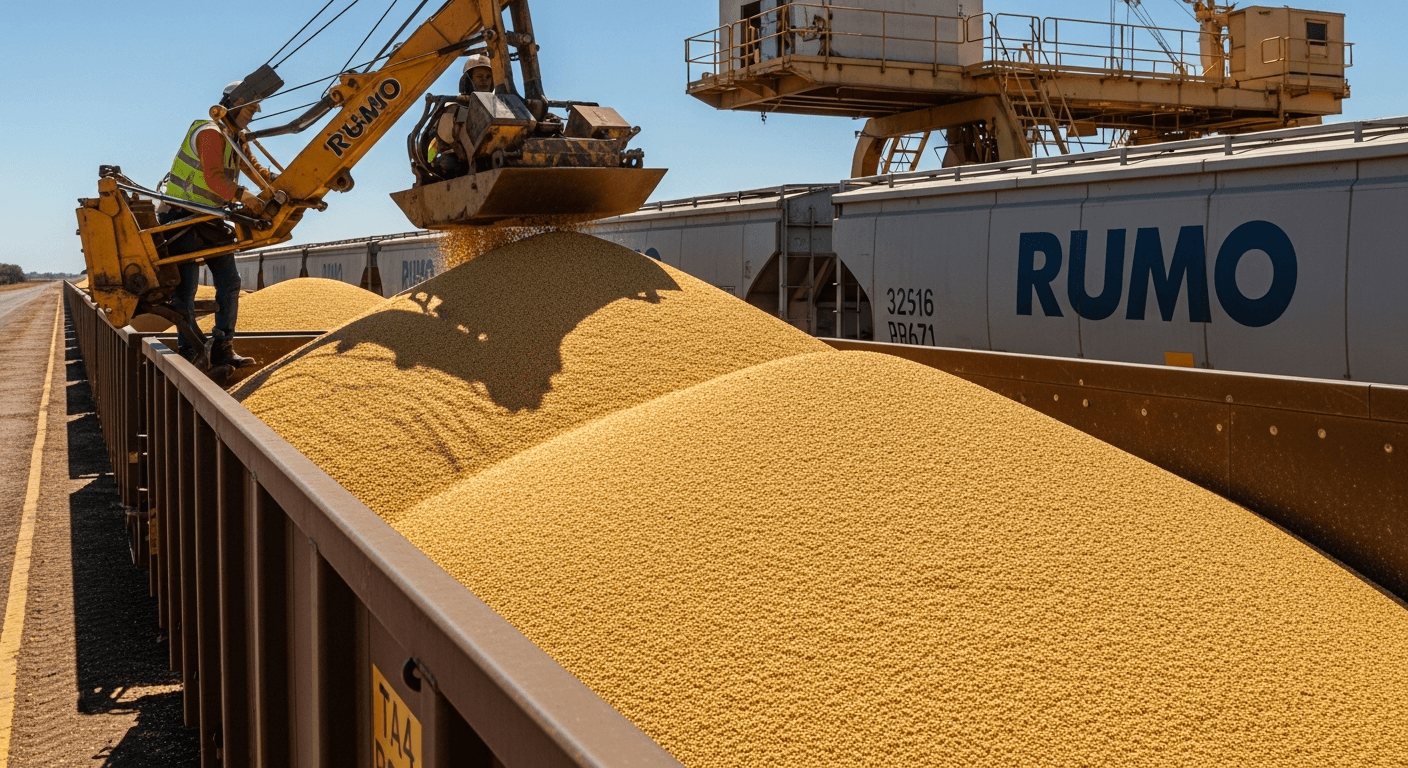
Brazilian soybean exports are projected to hit a record 110 million metric tons (Mt) in the 2026/2027 crop year, according to a new forecast from consultancy Safras & Mercado, a volume that signals sustained high demand and significant logistical pressure on the country’s infrastructure. The record export volume is underpinned by Safras’ estimate for total Brazilian soybean production in the upcoming cycle at 180.1 Mt, up slightly from the previous season, maintaining the nation's status as the world’s dominant supplier.
The bullish forecast, however, contrasts with a more cautious supply-side dynamic. Safras & Mercado expects planted area to grow by only 1.2% in the 2026/2027 season, marking the slowest expansion pace in two decades. This stagnation reflects continued pressure on farm profitability, as producers grapple with tight margins, persistently high fertilizer costs, and elevated interest rates that are making new land conversion financially unappealing. The constraint on acreage growth means future production gains will be increasingly reliant on weather and yield optimization, rather than expansion into new frontier areas.
Strong demand is being fueled by two major factors: robust international purchasing and the push for higher domestic processing. The latter is largely driven by the government's mandate to increase the biodiesel blend in diesel fuel to 16% (B16). While the B16 mandate is a powerful structural driver for domestic crush—the process of turning soybeans into oil and meal—its actual implementation timeline remains highly uncertain. Technical and political hurdles, including election-year concerns over inflation, have already caused delays, and market participants suggest the B16 level may not take effect until late 2026 or early 2027, potentially slowing the immediate surge in domestic crush activity.
The massive projected export volume places immediate focus on Brazil's logistics players, including rail and port operators such as Rumo (B3: RUMO3) and transport companies like TGMA (B3: TGMA3). A 110 Mt export program implies peak capacity utilization across the entire export corridor, from inland silos and rail lines to the ports of Paranaguá and Santos, potentially raising freight and logistics premiums. Separately, speculative positioning in Chicago futures markets remains net long, with large non-commercial traders holding 182,923 long contracts against 69,063 short contracts, suggesting market conviction remains bullish despite the near-record global supply expectations. The current localized dryness in key growing regions, including Rio Verde-GO, Luís Eduardo Magalhães-BA, and Sorriso-MT, all of which have seen seven consecutive dry days, serves as a reminder of the persistent weather risk that could affect final yield.
Investors should closely monitor two key forthcoming data points: the next set of planting intention surveys, which will confirm if margins are materially impacting acreage outside the Safras projection, and any definitive ruling from the National Energy Policy Council (CNPE) on the B16 biodiesel mandate timeline. The movement of the Brazilian Real against the US Dollar (USD/BRL) will also remain critical, as a weaker Real typically enhances the competitiveness and profitability of dollar-denominated exports for Brazilian farmers.