
Intense El Niño Forecast Poses Dual Climate Risk to Brazil's 2026/2027 Harvest
A very strong El Niño event is forecast to persist into early 2027, threatening Brazil's next harvest with drought and flooding.
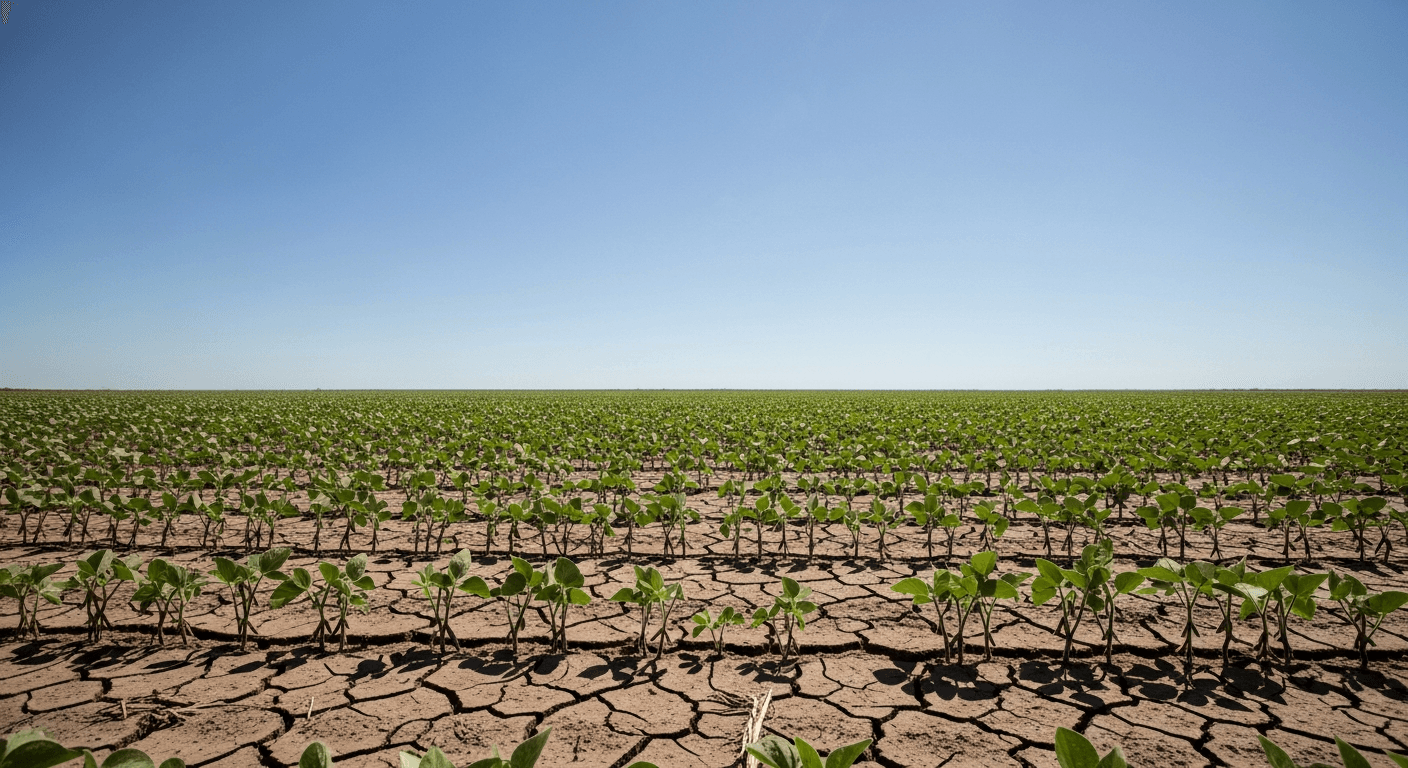
Brazil’s massive agricultural sector is preparing for a period of elevated production risk and potential supply chain disruption as meteorological agencies forecast an intense El Niño event with a probability of a strong to very strong event reaching near 98% and likely to persist into early 2027. The climate phenomenon is expected to create a sharp, geographically divided impact across the country, threatening key soybean, corn, and sugar producing areas with both extreme drought and destructive flooding. For the international market, this translates directly into higher volatility and significant logistical headwinds heading into the upcoming 2026/2027 harvest season.
The primary concern is this dual climatic effect, which is already beginning to influence key planting regions: while the South faces excessive rainfall and flood risk, the North and Northeast are currently gripped by drought. Data shows major farm municipalities are already dry, with centers like Sorriso (Mato Grosso), Rio Verde (Goiás), and Luís Eduardo Magalhães (Bahia) having logged seven consecutive days with no rain. The drought in the Amazon region—the destination for a growing volume of grain exports—threatens to severely reduce water levels on the Madeira and Tapajás rivers. These rivers are the essential "Northern Arc" corridors that move soybeans and corn from the Central-West farming frontier to international ports like Santarém and Manaus. Previous El Niño events have forced barges to reduce their cargo capacity by as much as 50% or halt operations entirely, dramatically increasing the cost of getting Brazilian grain to global buyers and forcing expensive rerouting to distant southern ports.
In response to the looming threat, the Brazilian government's National Supply Company (Conab) has been tasked with mitigating potential supply shortages, particularly for corn in the drought-afflicted North and Northeast. The government has authorized a budget allocation of R$1.33 billion (approximately $260 million) to bolster public reserves, including purchasing 180,000 tons of corn and 310,000 tons of rice. This extraordinary move is aimed at pre-emptively safeguarding domestic food security against potential widespread crop failure. The risk is not only to export volumes but also to regional stability, as the stark contrasts in weather are forecast to persist through the crucial planting and development stages of the upcoming 2026/2027 harvest.
Looking ahead, the market will be closely watching the planting window in the South and Central-West, which is due to start shortly. Above-average rainfall in Southern Brazil could delay field work and compromise the quality of key winter crops like wheat, while a prolonged drought in the North could severely impact the timing and success of the second-crop corn harvest ("safrinha") in early 2027. This climatic uncertainty has contributed to a surge in key commodity prices, with Corn futures on the CBOT up 2.38% to 483.25 cents per bushel today. Brazil’s national currency, the Real, is trading at R$5.223 per US dollar (+0.47%), reflecting the current pressure on the country’s agricultural outlook.
What it touches The severe outlook directly affects the outlook for global soybean and corn supply, given Brazil’s role as the world’s largest exporter of both commodities. Shipping, logistics, and port operators with exposure to Brazil’s Northern Arc ports (such as the Port of Santarém) face operational risk and increased costs due to potential river navigation restrictions. The government’s focus on corn supply is intended to stabilize domestic prices and reduce the need for market-disrupting imports.