
JBS Signs MOU with Highland Foods to Expand in South Korea
JBS has signed a strategic partnership with South Korea’s Highland Foods to expand its protein distribution in high-value Asian markets.
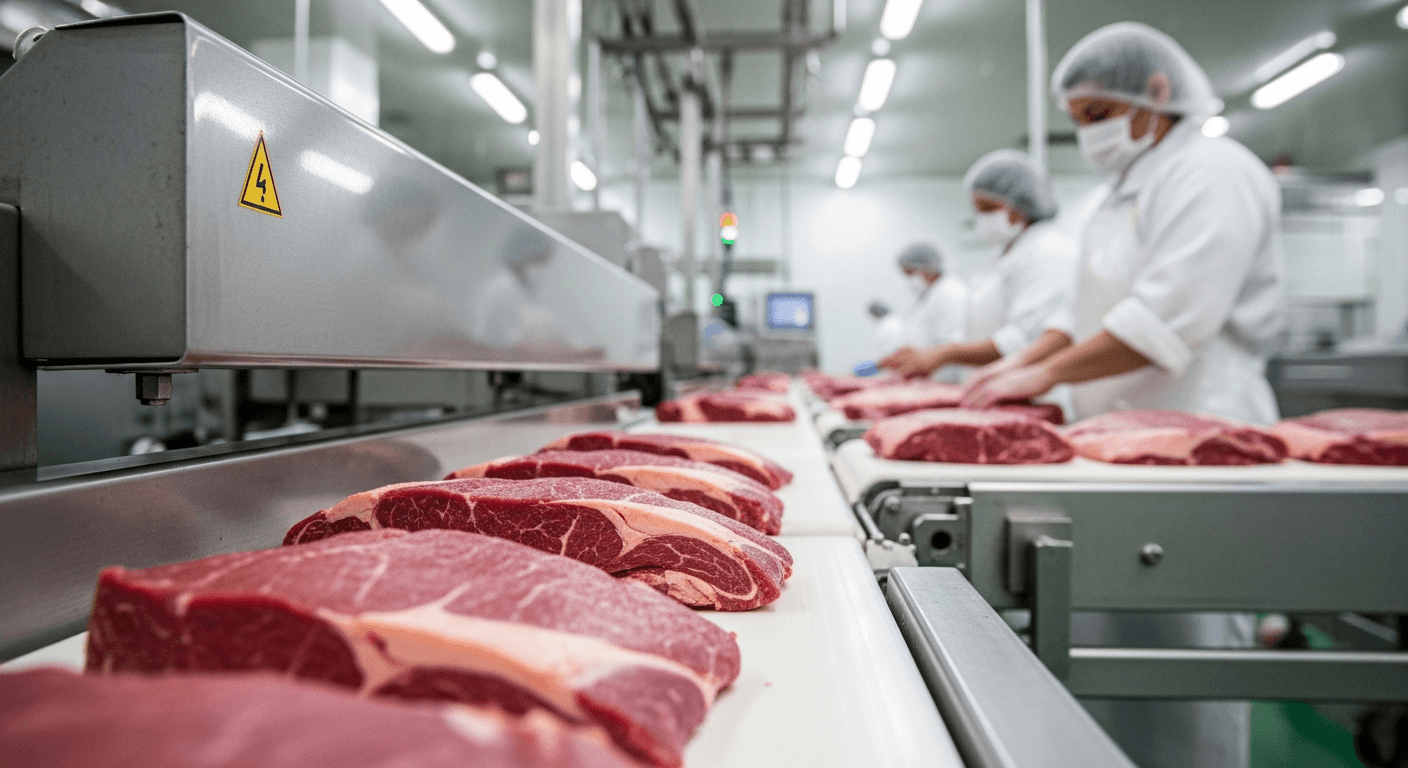
Global meat processing giant JBS (B3: JBSS3; ADR: JBSAY) has signed a Memorandum of Understanding (MOU) with South Korea’s Highland Foods to form a strategic global business partnership. The agreement, signed during the Brazil-South Korea Business Forum in São Paulo this week, is designed to expand JBS’s distribution network in South Korea and other key Asian markets. The partnership is one of six cooperation instruments signed during the bilateral forum, which brought together high-level government officials and business leaders to deepen trade relations.
The strategic mechanism of this deal targets a high-value Asian protein sector currently dominated by competitors from the United States and Australia. South Korea represents an incredibly lucrative market for global exporters, but strict distribution networks and regulatory barriers have historically limited South American market share. By partnering with Highland Foods—which holds a leading 13% share of the South Korean imported meat market—JBS gains immediate access to a vertically integrated distribution platform that services over 1,700 local clients, including major hypermarkets and franchise chains.
Market reaction highlights the importance of this deal for the broader Brazil agribusiness landscape. While Brazil already supplies approximately 80% of South Korea's imported poultry, this partnership establishes a critical commercial bridgehead ahead of potential regulatory approval for Brazilian beef imports. Investors monitoring the Brazilian real forecast and the USD BRL currency pair are watching these trade developments closely, as expanded export channels to Asia are expected to bolster Brazil's trade surplus and drive capital inflows into Brazilian ADRs and the broader Brazil ETF (NYSE Arca: EWZ).
Looking ahead, market participants will monitor how quickly this MOU translates into physical volume growth, particularly as South Korea continues bilateral negotiations regarding sanitary protocols for Brazilian beef and fresh fruit. On the domestic front, Brazilian agricultural operations continue to face dry weather conditions, with key production hubs like Sorriso-MT and Rio Verde-GO reporting 0.0mm of rain over the last 7 days and 7 consecutive dry days, while Cascavel-PR recorded 8.3mm of rain with 4 dry days. These localized agricultural factors, combined with global trade expansion, will remain key drivers for B3 stocks in the coming quarters.