
Farmland Deals Plunge 80% in Brazil as High Rates and El Niño Deter Buyers
High borrowing costs and depressed grain margins have frozen agricultural real estate transactions in Brazil, forcing developers to pivot to defensive leasing structures.
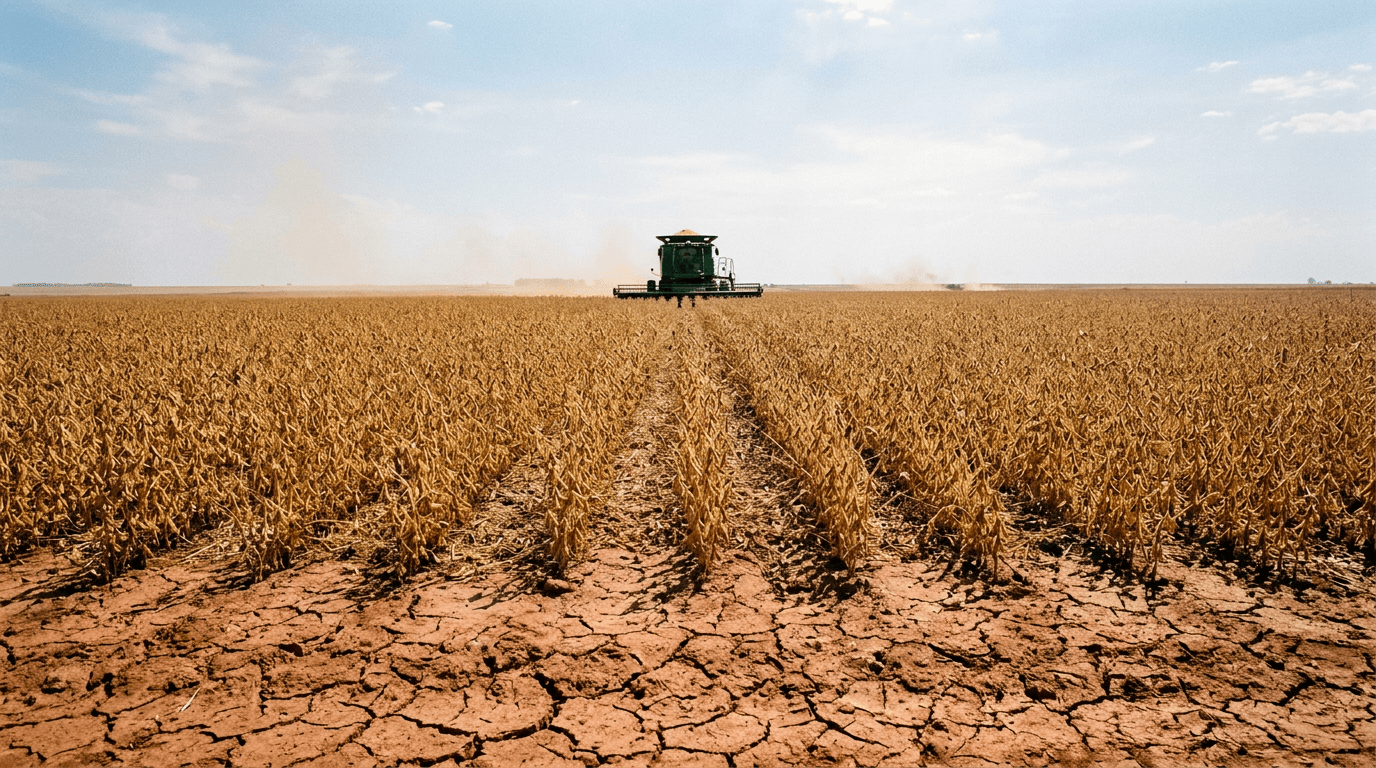
Global investors who spent years pouring capital into South American agriculture are slamming on the brakes. High interest rates, depressed grain margins, and the persistent threat of El Niño-induced crop losses have triggered a dramatic slowdown in agricultural real estate activity. For international asset managers and developers, the era of rapid land acquisition has given way to extreme caution.
The slowdown is most visible in Brazil, the world's agricultural powerhouse, where major land transactions have plummeted. According to data tracked by the specialized agribusiness outlet The AgriBiz, Brazil recorded only one billion-real farmland divestment through September 2026: the sale of the "Bloco Mato Grosso" portfolio by Radar—a joint venture between Brazilian energy conglomerate Cosan and U.S. investment manager Nuveen—to local giants SLC Agrícola and Bom Futuro for $371 million (1.85 billion reais). This represents a steep drop from 2025, when the market saw at least $1.92 billion (9.6 billion reais) across 19 major farmland transactions.
A Perfect Storm of Rates and Weather
The primary culprit behind this transaction freeze is a punishing credit environment. Brazil's benchmark Selic interest rate stood at a restrictive 13.75% in September 2026, keeping borrowing costs high for capital-intensive land purchases. At the same time, global soybean prices have softened, squeezing the margins of local farmers who are already dealing with a 66% year-over-year spike in agribusiness bankruptcy filings.
Climate risks have further soured buyer appetite. Unpredictable weather patterns, including the threat of a "super El Niño," have disrupted crop yields across key agricultural frontiers. With less cash on hand and financing costs elevated, prospective buyers are refusing to pay the premium valuations of previous years. Instead, they are waiting for distressed sellers to lower their expectations.
Developers Break Long Silence
The market freeze has forced even major developers to adjust their strategies. U.S.-listed agricultural land developer BrasilAgro ended its longest-ever deal hiatus in late September 2026 by selling 2,592 hectares of its Rio do Meio farm in Correntina, Bahia, for $15.8 million (96.4 million reais). The company, which specializes in buying underutilized pastureland, transforming it into high-yield cropland, and selling it at a premium, had not announced a single land sale earlier in the year.
While outright acquisitions have stalled, alternative structures are gaining traction. Farmland investment managers are increasingly turning to smaller sale-and-leaseback transactions. These deals allow cash-strapped farmers to unlock liquidity by selling their land to investment funds while signing long-term leases to keep operating the properties. Until interest rates ease and commodity prices stabilize, these defensive, income-generating structures are expected to dominate the landscape.