
EU Embargo Over Antimicrobial Use Threatens $500M in Brazilian Beef Exports
EU's Sept 3 ban on Brazilian animal products over antimicrobial issues could wipe out $504M in high-value exports, pressuring meatpackers.
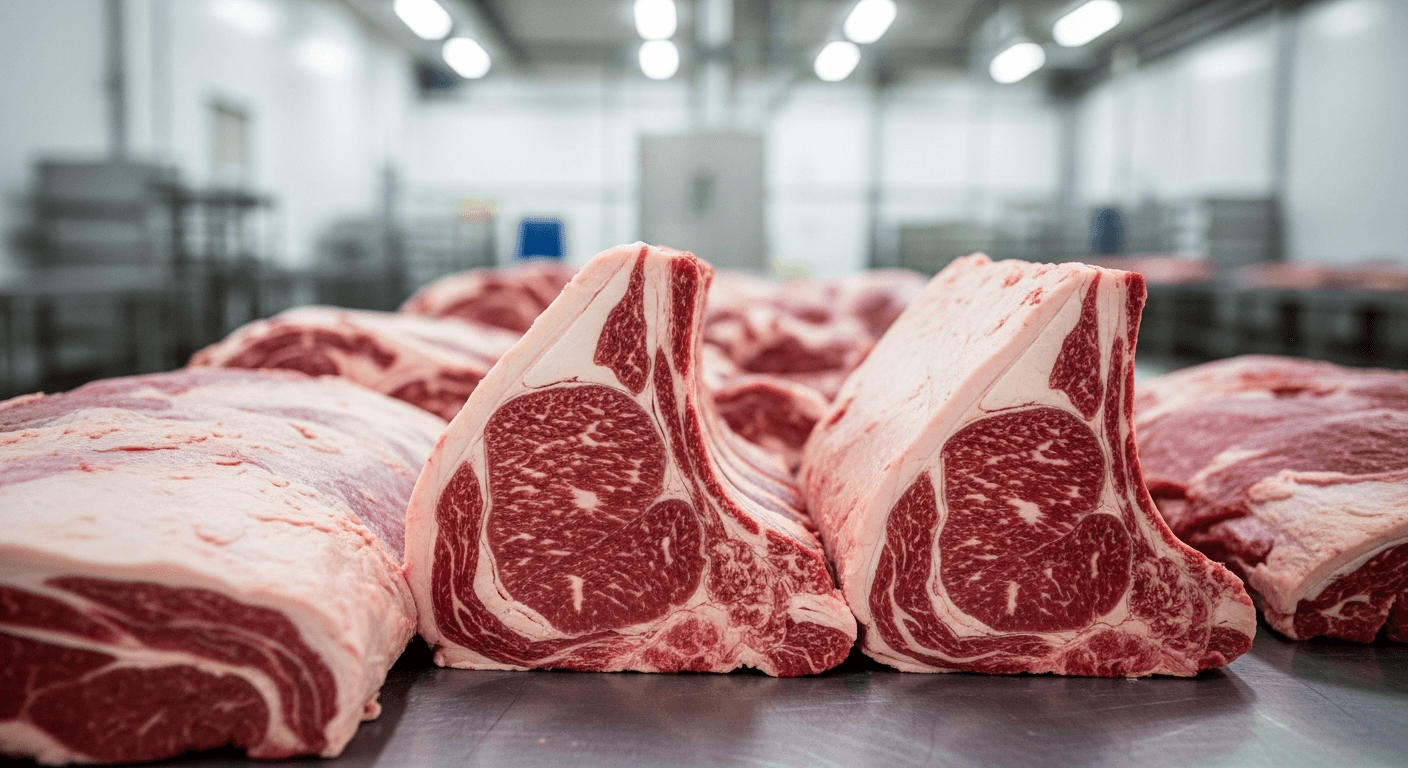
The European Union's exclusion of Brazil from its list of authorized animal product exporters is set to take effect on September 3, 2026, threatening to wipe out an estimated US$504 million in high-value Brazilian beef and honey exports by the end of the year. The action, which also affects Brazilian poultry, eggs, fish, and casings, stems from a failure to satisfy EU sanitary requirements on the monitoring of antimicrobials in livestock production. The Brazilian Beef Exporters Association (Abiec) estimates the loss in beef exports alone could reach $504 million by year-end, potentially exceeding US$1 billion if the restriction holds into 2027, putting pressure on major meatpackers like JBS and Minerva Foods (BEEF3).
The financial mechanism behind the potential impact lies in the value of the trade, not the sheer volume. While the European Union accounts for only around 3.5% of Brazil’s beef export volume, it represents a disproportionately high 5% to 6% of the total revenue. This is because the EU is a premium market that pays a significant price premium—estimated at around 50% above the average—for high-value cuts of beef. Losing access to this market segment means the revenue hit for the protein sector is much more substantial than the volume figures suggest, despite the country's main export markets being China and the United States.
Despite the significant revenue risk, the exposure for listed Brazilian meatpackers is considered manageable by some analysts. A Morgan Stanley analysis published in June suggests the financial impact on JBS and Marfrig (MRFG3) will be limited, estimating the Brazil-to-EU beef and poultry exposure at only about 0.5% of consolidated revenues for both companies. Minerva Foods (BEEF3), which is more focused on export-oriented beef production in South America, faces the highest relative exposure, estimated to be around 3% of its consolidated revenues. Although the loss is a headwind, the limited consolidation exposure is one reason the market reaction has been muted, particularly since other South American competitors like Argentina and Uruguay remain authorized exporters, having met the EU's antimicrobial criteria.
The Brazilian government, through the Ministry of Agriculture and Livestock (Mapa), is currently engaged in intensive technical dialogue with the European Commission, seeking to reverse the decision before the September deadline. Brazil has submitted additional documentation and has implemented new inspection procedures, maintaining that it is taking all necessary measures to demonstrate compliance with the required standards. However, the EU has maintained a firm stance, with officials stating they will not relax the sanitary requirements. For investors tracking Brazilian agribusiness, the conclusive statement from the European Commission on Brazil's submitted technical documentation is the most critical event to watch, as it will determine whether this US$500 million trade flow is halted entirely or whether the world's largest beef exporter can maintain access to its highest-value customer.