
EU Beef Embargo Threatens High-Margin Brazil Exports
A looming EU ban on Brazilian animal products over antimicrobial rules could cost Brazil's beef sector over $500 million in high-margin revenue.
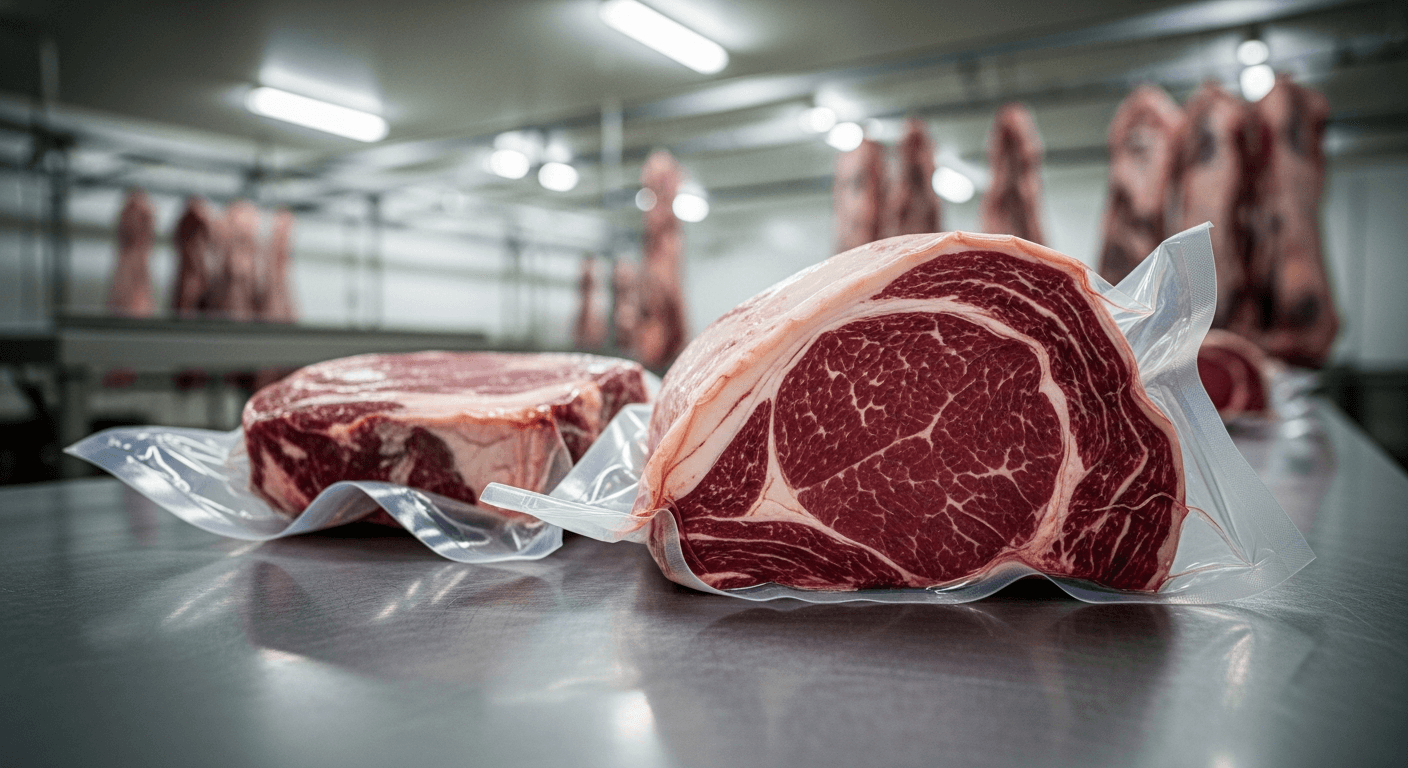
The European Union's upcoming ban on Brazilian animal products is projected to cost Brazil's agricultural sector over $500 million (R$2.5 billion) in high-margin export revenue by the end of 2026. Set to take effect on September 3, 2026, the embargo targets beef, honey, and aquaculture products due to regulatory non-compliance with EU antimicrobial-use standards. While the restriction covers multiple categories, the beef sector alone faces an estimated $504 million in lost trade by year-end if the restrictions are not resolved.
The mechanism of this trade disruption disproportionately impacts corporate profitability rather than sheer volume. While the EU accounts for approximately 6% of Brazil's total beef export volume, it purchases premium, high-value cuts like tenderloin and sirloin. Losing access to this market eliminates a major source of high-margin revenue for major meatpackers listed on the B3 exchange. This regulatory friction comes at a sensitive time for those looking to invest in Brazil, as the country's exporters must now scramble to establish voluntary certification protocols to prove their herds have been free of restricted growth-promoting antimicrobials throughout their entire lifecycles.
On the currency front, this trade headwind could influence the Brazilian real forecast. A reduction in high-value export inflows threatens to weigh on the USD BRL currency pair by narrowing Brazil's trade surplus. For global investors tracking the Brazil ETF (EWZ) or assessing the broader Brazil stock market today, the embargo introduces near-term volatility for agricultural equities. Meanwhile, domestic weather conditions remain mixed for wider Brazil agribusiness; recent data shows dry conditions persisting with 0.0mm of rain over the last 7 days in key agricultural hubs like Luís Eduardo Magalhães-BA and Rio Verde-GO, while Cascavel-PR recorded 18.7mm of precipitation.
Going forward, market participants should monitor technical negotiations between Brazil's Ministry of Agriculture and Brussels. Brazil has already begun implementing new inspection and voluntary certification protocols to regain compliance. Whether these measures will satisfy EU regulators before the September 3 deadline remains the critical catalyst for major Brazilian food producers and associated financial assets.