
Dry Spell in Brazil’s Soybean Belt Raises Soil Moisture Risk for Next Crop
Severe rainfall deficits in Mato Grosso and Goiás are depleting soil moisture, threatening the timely start of Brazil's 2026/2027 soybean planting season.
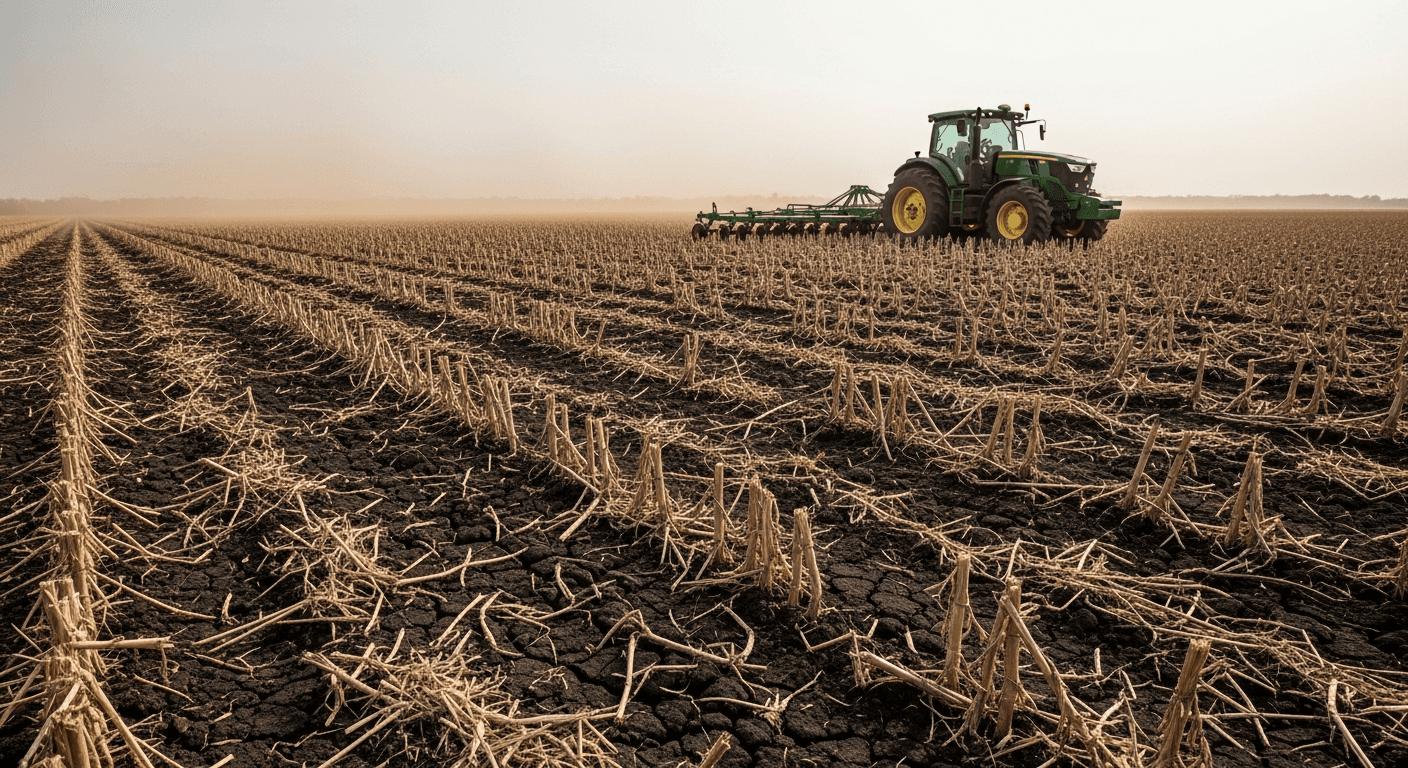
A persistent dry spell across Brazil’s key soybean-producing regions is rapidly depleting soil moisture, raising significant risk for the timely start of the 2026/2027 planting season and adding potential upside pressure to CBOT soybean futures. Regions crucial for the country’s agricultural output, including Sorriso in Mato Grosso, Rio Verde in Goiás, and Luís Eduardo Magalhães in Bahia, have registered virtually no measurable rainfall over the last week. Sorriso, Brazil’s largest grain-producing municipality, reported just 0.2mm of rain over the past seven days, while Rio Verde and Luís Eduardo Magalhães each recorded zero millimeters over the same period, signaling seven consecutive dry days across these key centers.
While soybeans are not currently in the ground—July is the winter off-season for the safra crop—the lack of rainfall at this time is critical for the accumulation of soil moisture, or reserva de umidade. This moisture reserve is indispensable for successful germination and emergence when planting begins, typically in late September and October. The mechanism of concern for investors is that a dry start to the next rainy season could force farmers to delay planting, which in turn compresses the window for the subsequent safrinha corn crop and exposes the main soybean harvest to later-season weather stress. The situation in Paraná's Cascavel, while not ideal, is comparatively better, recording 10.6mm of rain over the past seven days and five dry days.
This pre-planting risk provides a persistent floor for CBOT soybean futures, as global supply models are highly sensitive to any forecast of a diminished or delayed Brazilian harvest. Market positioning reflects heightened interest in this risk factor, with speculative investors currently holding a net long position of 113,860 soybean contracts as of the latest Commitment of Traders (COT) report, indicating a strong bias toward further supply-side tightening. Concerns over planting risk in Brazil, combined with any parallel weather events in the U.S. Midwest, can quickly amplify price volatility.
For investors tracking Brazilian assets, the performance of the Brazilian real (USD/BRL) is relevant. Agricultural exports are a primary source of dollar inflow for Brazil, and any threat to the harvest forecast can feed into broader currency and economic projections, though the immediate impact is most directly felt on commodity-linked stocks and the domestic futures market.
The key determinant for whether this weather risk materializes into supply impact is the start of the typical spring rainy season. Investors should closely monitor satellite data for the first substantial, widespread rainfall events across Mato Grosso and Goiás in the next 60 days. A delayed return of the rains past mid-October will likely signal a forced delay to the planting window, which would add immediate, tangible support to global soybean prices.