
Brazil’s Farm Input Sector Hopes for Rebound as Coopercitrus Expo Kicks Off with R$2 Billion Sales Projection
The Coopercitrus Expo 2026 signals a potential rebound in farm input purchases for the 2026/2027 crop year, projecting R$2 billion in business.
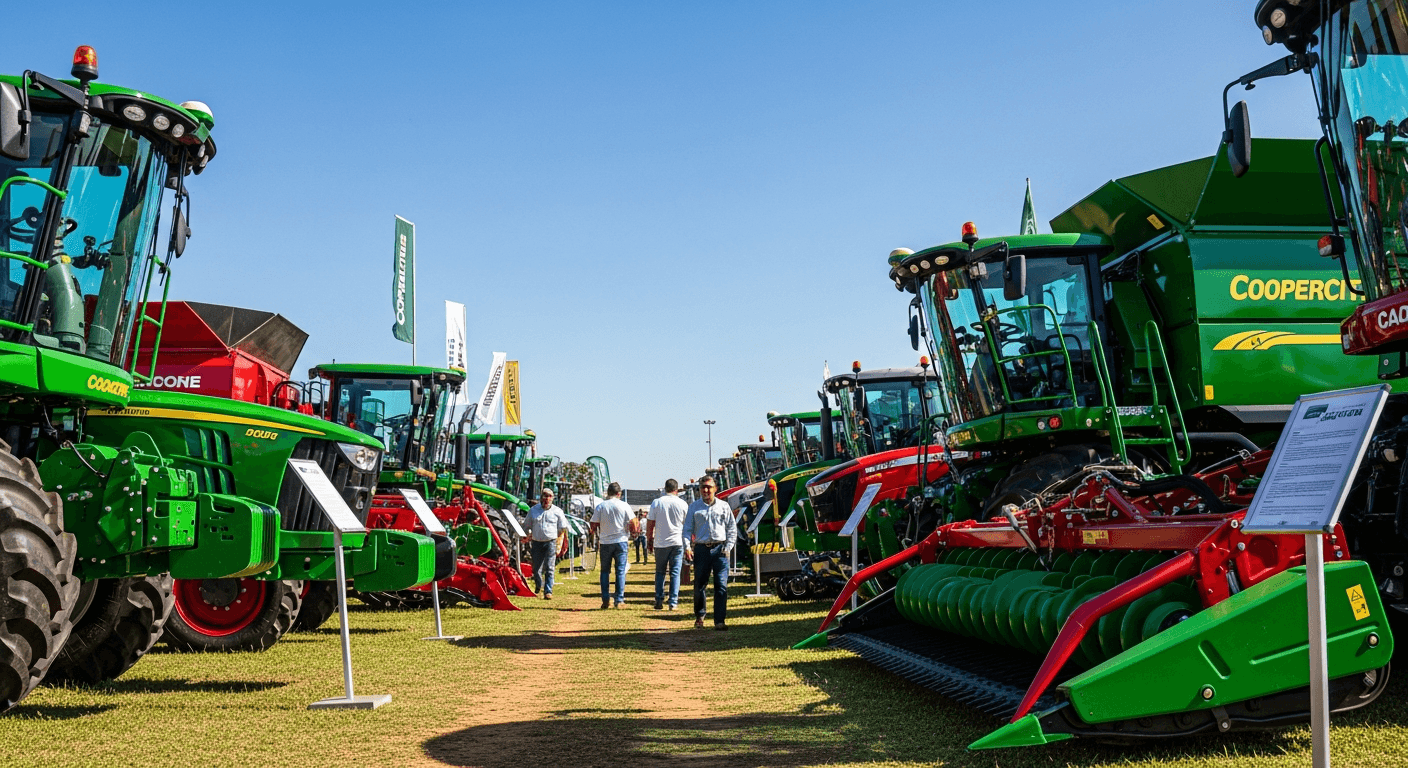
Agricultural input and machinery suppliers are seeing a potential upturn in demand as the Coopercitrus Expo 2026 opens today in Bebedouro, São Paulo, projecting over R$2 billion ($370 million) in business to be transacted through July 31. The projected sales volume at the fair, which focuses heavily on machinery, insumos (inputs), fertilizers, and credit/barter financing, is signaling a vital, early resumption of purchases for Brazil’s 2026/2027 crop, offering a much-needed boost to companies in the sector. The renewed interest comes as farmers attempt to lock in supplies ahead of the next major planting cycle, driven by more favorable agricultural commodity prices and a temporary window of relief on input costs.
The impetus for the buying surge at the cooperative-led fair—a crucial early-season barometer for Brazilian agriculture—stems from an improving cost-to-income ratio for producers. While the overall outlook for the 2026 Brazilian fertilizer market remains challenging, with deliveries forecast to contract by 12% to 14% year-over-year due to earlier affordability issues, the current buying sentiment has been unlocked by a recent correction. The Cooperative's president cited a "retreat" in fertilizer prices, with futures for Urea CFR Brazil falling sharply by over 41% in the last three months from their peak earlier in the second quarter. This decline, combined with recent firmness in the cash soybean market, where farmgate prices rose 4% in July and port prices remain near year-to-date highs, has created a narrow opportunity for farmers to buy inputs at a better spread.
For investors in Brazilian agricultural players like BrasilAgro (AGRO3), the event’s success serves as a critical indicator. The B3-listed property and operations firm recently reported a net loss in the first quarter of 2026 and faces a challenging outlook, making a sector-wide rebound in input sales vital for near-term guidance revisions. The core negotiating instruments at the Coopercitrus Expo—fertilizer and machinery sales—directly impact the cash flow and capital expenditure for the large and medium-sized farmers that make up the backbone of Brazil’s agricultural output. The country’s structural dependence on imports for more than 80% of its fertilizer consumption means that international price stability, or a favorable lock-in period, is an acute source of risk and opportunity for the sector.
Commodity market positioning suggests high interest in securing inputs for the soybean and corn cycles. Speculative net long positions in COT soybean futures stand at 182,923 contracts against 69,063 short, reflecting continued bullish sentiment for the next harvest, while corn longs (492,296) significantly outnumber shorts (305,646). Meanwhile, producers are navigating patchy weather conditions in key producing regions: Sorriso-MT, a major soybean and corn hub, has recorded only 0.2mm of rain over the last seven days with an ongoing seven-day dry spell, while Luís Eduardo Magalhães-BA also reports a full week without rain, underscoring the need for timely, capital-intensive input applications when the wet season returns.
Moving forward, the investor focus will shift from the Expo’s success to whether the input buying trend is sustained beyond the event's promotional window. Key metrics to watch include the pace of fertilizer imports through August, which will confirm producers’ willingness to commit capital, and any further price action in the Urea and Phosphate markets. Continued stability in the Brazilian real (BRL) and further upside in soybean futures would be necessary to keep this purchasing momentum—and the R$2 billion projection—from proving to be an isolated event.