
Brazilian Agro Fights Trump's 25% Tariff Threat in Washington
Brazilian exporters launch a final defense at USTR public hearings to block a sweeping 25% tariff on coffee, ethanol, and beef before the July 15 deadline.
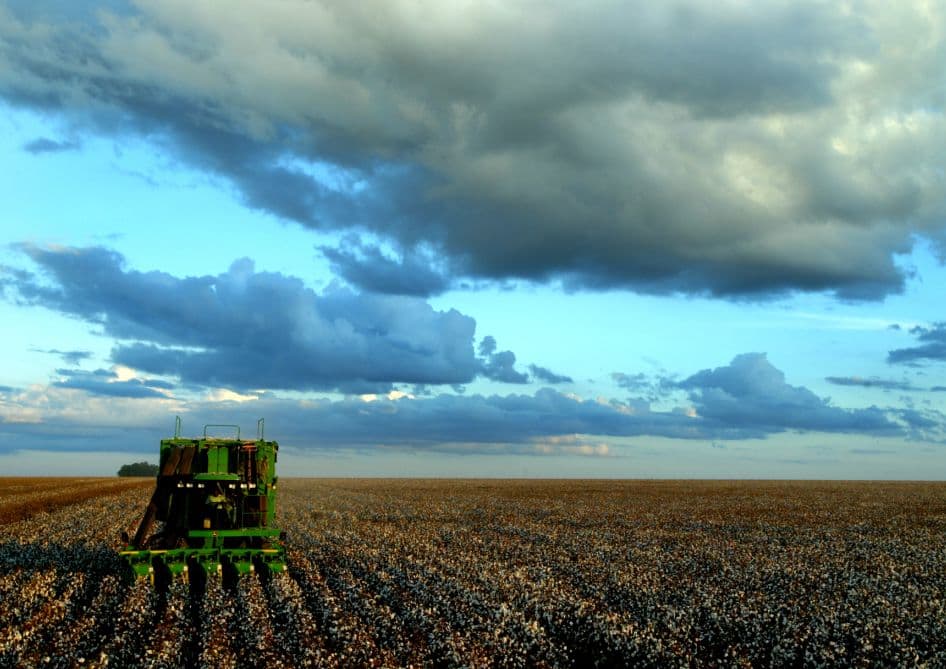
Brazilian agricultural leaders presented a unified front in Washington, D.C., during critical public hearings on July 6–7, 2026, in a last-ditch effort to block a proposed 25% tariff on Brazilian imports. Representatives from the Confederation of Agriculture and Livestock of Brazil (CNA), the Brazilian Coffee Exporters Council (Cecafé), and the sugarcane industry group Unica delivered testimonies to the Office of the U.S. Trade Representative (USTR). The hearings represent the final formal opportunity to influence the USTR’s Section 301 investigation before a final tariff decision is expected on July 15, 2026.
The USTR investigation, initiated under the administration of Donald Trump, targets six key areas of bilateral relations, including digital trade, illegal deforestation, and market access for U.S. ethanol. Under the proposed 25% tariff structure, profit margins for major Brazilian exports such as coffee, ethanol, and beef face severe pressure. Brazilian delegates argued that the country's agricultural competitiveness is driven by productivity rather than illegal deforestation, and that the Brazilian market remains fully open to U.S. ethanol. Cecafé specifically advocated for maintaining tariff-free access for Brazilian coffee and extending exemptions to soluble coffee to prevent price inflation for U.S. consumers.
The high-stakes trade negotiations unfold against a backdrop of tight agricultural supplies and dry weather across Brazil's key grain-producing regions. In Sorriso (Mato Grosso), Luís Eduardo Magalhães (Bahia), and Rio Verde (Goiás), weather stations reported 0.0 mm of rain over the last seven days, marking seven consecutive dry days in each area. Meanwhile, Cascavel (Paraná) recorded 12.5 mm of rain with five dry days. In the financial markets, currency fluctuations continue to impact export competitiveness as the USD/BRL exchange rate responds to the tariff anxieties.
Market positioning reflects a cautious outlook among institutional traders ahead of the mid-July tariff decision. According to the latest Commitment of Traders (COT) data, soybean positions stand at 197,868 longs versus 121,241 shorts, while corn holds 490,117 longs against 425,940 shorts. In the coffee market, where exporters are fighting to preserve their tax-free status, COT data shows 58,153 long positions compared to 37,622 shorts. Analysts note that if the 25% tariff is implemented on July 15, it could reshape global commodity flows and disrupt integrated supply chains between the two largest economies in the Americas.