
Brazil Niche Agro Sectors Fight 25% US Tariff in Washington
Brazilian exporters of soluble coffee, honey, and seafood lobby alongside US buyers at USTR hearings to block a proposed 25% tariff.
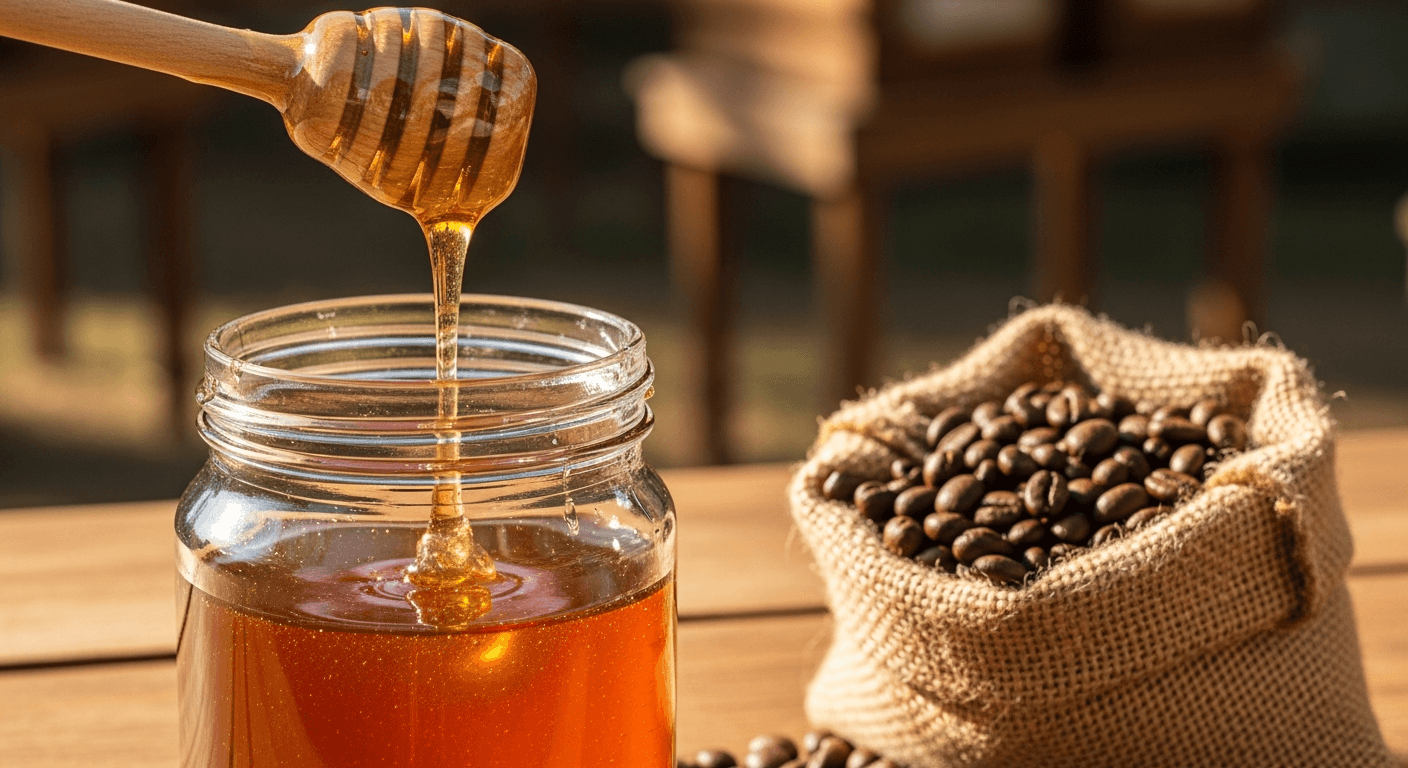
Brazilian exporters of soluble coffee, organic honey, and seafood are in Washington making a final push to escape a proposed 25% tariff under Section 301 of the Trade Act of 1974. The Office of the U.S. Trade Representative (USTR) held public hearings on July 6–7, 2026, ahead of a highly anticipated statutory deadline on July 15, 2026, when a final decision is expected. While major agricultural commodities like green coffee and beef have been carved out of the initial tariff proposal, niche agro exports face the full brunt of the additional levies.
The defense strategy hinges on the lack of alternative suppliers for U.S. buyers, who are actively lobbying alongside Brazilian trade groups. Brazil currently supplies 83% of U.S. organic honey imports and 37% of its soluble coffee, making rapid supply chain substitution nearly impossible. For seafood, particularly tilapia, U.S. importers have been increasing purchases from Brazil to diversify away from China, which currently dominates the market. Industry representatives warn that a 25% tariff would severely erode margins for these specialized exporters and trigger immediate inflationary pressures for U.S. consumers.
This trade friction comes amid broader market developments in South America. On the financial front, the Brazilian real strengthened slightly, with the USD/BRL trading down .74% at 5.13, while the Bovespa (IBOV) index closed down .93%. In agricultural production, dry conditions persist across key growing regions: Sorriso-MT, Luís Eduardo Magalhães-BA, and Rio Verde-GO all reported 0.0mm of rain over the last 7 days with 7 dry days, while Cascavel-PR recorded 17.4mm of rain and 6 dry days.
Meanwhile, speculative positioning in agricultural derivatives remains active. According to the latest Commitments of Traders (COT) data, soybean net positions stand at 197,868 longs versus 121,241 shorts, corn at 490,117 longs versus 425,940 shorts, and coffee at 58,153 longs versus 37,622 shorts. Exporters are hopeful that technical negotiations between Brasilia and Washington will yield exemptions or a deferred implementation before the mid-July deadline.