
Brazil Formally Challenges US Tariffs Up to 37.5% at WTO, Raising Uncertainty for Ethanol Exporters
Brazil filed a formal WTO complaint against new US tariffs, including a 25% levy that impacts ethanol, threatening a combined rate of 37.5%.
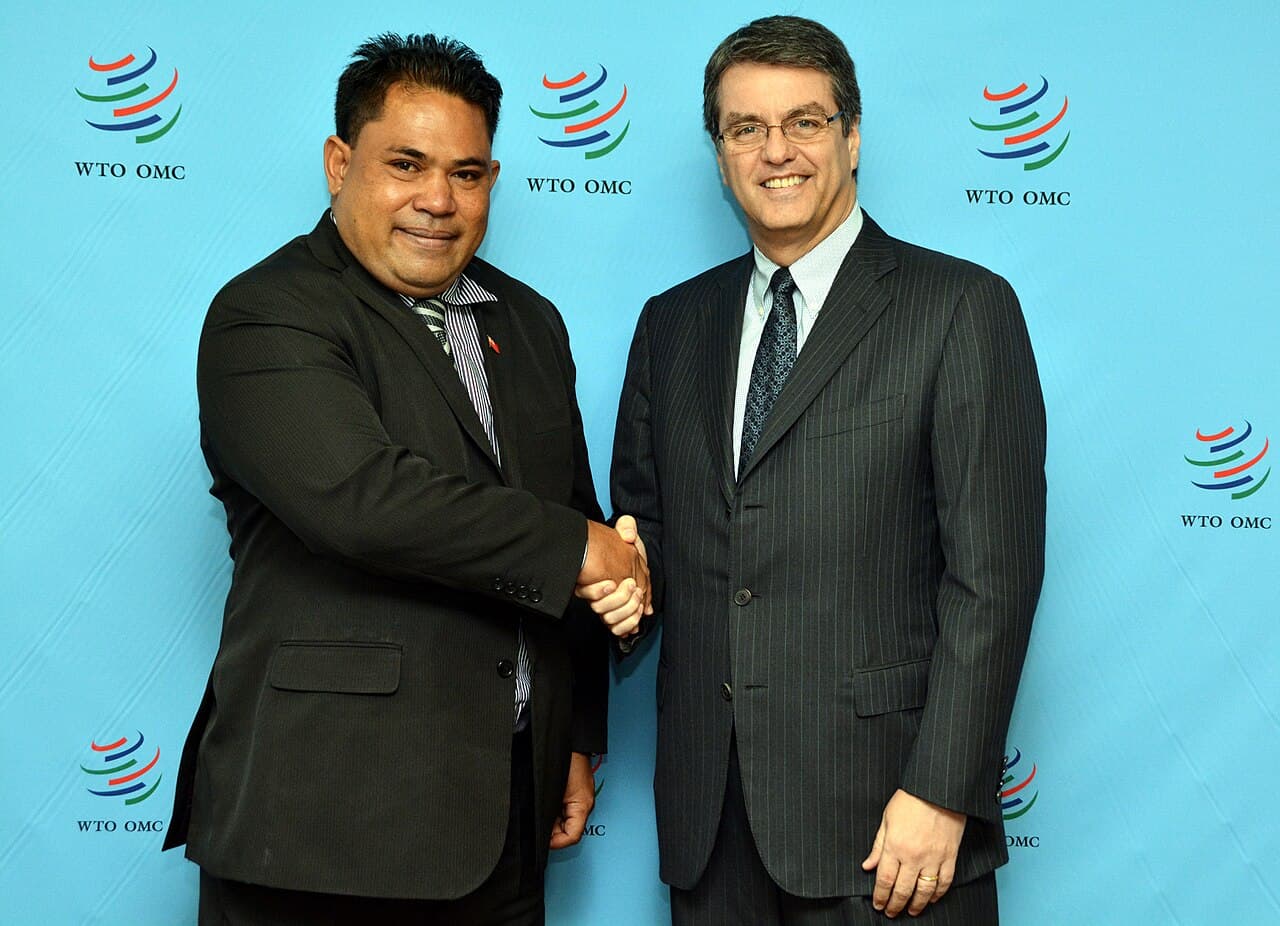
Brazil has officially escalated its trade dispute with the United States by filing a formal request for consultations at the World Trade Organization (WTO) against new American tariffs that could reach an additional levy of up to 37.5% on certain Brazilian exports. The complaint addresses an immediate 25% tariff on a broad range of goods—including key agricultural products like ethanol—which raises costs for exporters and injects new uncertainty into Brazil’s trade relationship with its second-largest commercial partner. The move by the government of President Luiz Inácio Lula da Silva triggers the WTO’s dispute settlement process, signaling a firm stance against the U.S. measures.
The core mechanism for investors to understand is the tariff "stacking" that produces the maximum potential rate. The United States Trade Representative (USTR) first imposed a 25% tariff on July 22, 2026, under Section 301 of the Trade Act, following an investigation that cited a wide range of Brazilian acts, policies, and practices. These include issues critical to the agricultural sector, such as ethanol market access and illegal deforestation. A second, separate tariff of up to 12.5%, related to allegations of lax enforcement of forced labor bans, has also been proposed, bringing the combined maximum additional levy on certain products to 37.5%. This combined tariff affects approximately 16.5% of Brazil's export basket to the U.S. and represents a significant headwind for companies reliant on the U.S. market.
Agribusiness stocks, particularly those in the sugar and ethanol segments, remain under pressure as the trade friction intensifies. Ethanol producers like Raízen (RAIZ4.SA) have seen shares fall amid the initial tariff announcement, as the new 25% duty applies directly to Brazilian ethanol exports, regardless of whether it is fuel or industrial alcohol. For sugar and ethanol companies, which are already navigating commodity volatility—such as a recent slump in crude oil prices that reduces the price competitiveness of ethanol—the tariff adds significant market risk. The Brazilian Real (BRL), which trades at R$5.1169 per USD today, has held relatively steady despite the diplomatic action, though it experienced a slight weakening in mid-July immediately following the USTR's announcement of the 25% tariff.
While the WTO challenge plays out, the broader health of Brazil’s agribusiness sector presents a mixed picture. Planting fundamentals remain relatively strong in key regions, despite localized dryness: Cascavel, Paraná, has seen 17.0mm of rain over seven days, while major producing regions like Rio Verde, Goiás, and Luís Eduardo Magalhães, Bahia, report seven consecutive dry days, necessitating a continued watch on second-half crops. Separately, speculators show a strong appetite for agricultural commodities traded on the US side, holding significant net long positions in both COT soybean (182,923 net long) and COT corn (492,296 net long) futures, reflecting a belief in global demand for Brazilian exports even with the U.S. tariff cloud overhead.
The immediate focus for investors will be the progression of the WTO consultation period. If the dispute is not resolved bilaterally within 60 days, Brazil can request that a WTO dispute panel rule on the U.S. action. The next material trigger for the maximum 37.5% rate will be the final status of the proposed 12.5% forced labor tariff, which remains pending and would further compound the cost for affected Brazilian exporters.