
Brazil Ethanol Prices Hit Season Low as Record Output Overwhelms Demand; Mills Hold Inventory Ahead of 32% Blend Mandate
Ethanol prices hit 2026/27 season lows despite rising sales, forcing major producers to hold inventory ahead of the August 1st 32% blend mandate.
Ethanol prices at São Paulo mills have dropped to their lowest nominal values of the 2026/27 season, a trend fueled by record production that is overwhelming current retail demand, even as a major federal demand catalyst is set to take effect. The price weakness comes despite high liquidity in the market, with hydrous ethanol indicator prices in São Paulo dropping approximately 2.13% in a recent week, while anhydrous ethanol saw a 0.98% decline in the same period, according to data tracked by the Center for Advanced Studies in Applied Economics (Cepea) at Esalq-USP. The continued pressure suggests that the supply surge from the sugarcane harvest is outpacing current consumption and pricing power for the major sugar-energy groups, including São Martinho (SMTO3), Cosan (CSAN3), and its subsidiary Raízen (RAIZ4).
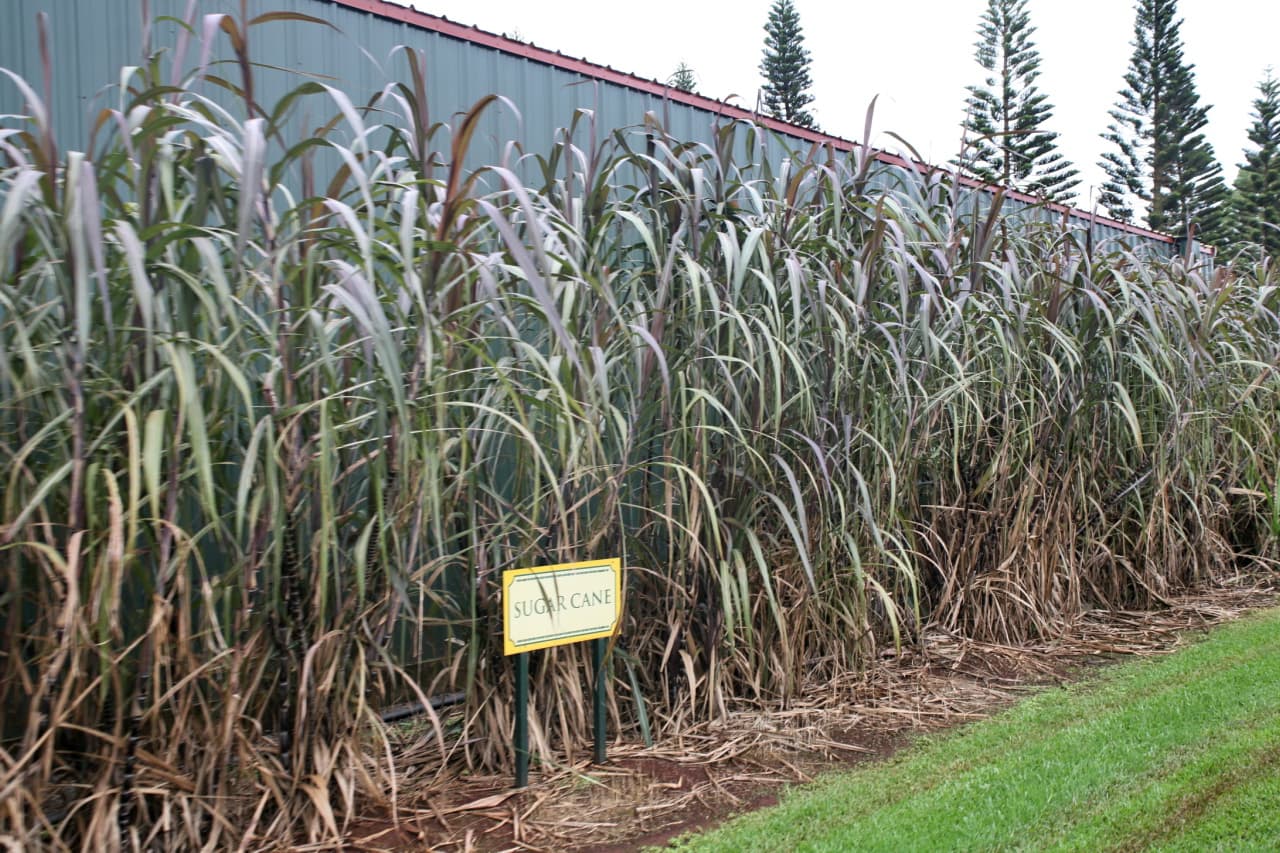
The mechanism behind the drop is a significant shift in the allocation of the Center-South sugarcane crop. Due to international sugar futures trading near five-year lows, mills have been heavily incentivized to divert cane toward ethanol production, where returns have offered a strong premium over sugar. Analysts predict a substantial portion, possibly over 50%, of the cane will be allocated to biofuel this season, leading to record output. This volume, combined with an expansion in year-round corn ethanol production, has flooded the market just as flex-fuel vehicle demand continues its slow recovery post-holidays.
In response to the current pricing environment and to protect their margins, several large mills are executing an inventory strategy by temporarily withdrawing from the spot market and storing product. This tactic banks on the expectation that two pending factors will soon boost demand and stabilize prices: the end of school holidays, which typically increases road traffic, and a new government policy set for August. The decision to hold stock directly impacts the balance sheets of producers like Raízen and Cosan, which need to manage the inventory carrying costs against the potential for higher prices in the near term.
The key short-term catalyst expected to absorb the excess supply is the official implementation of the new anhydrous ethanol blend mandate. Effective August 1st, the National Energy Policy Council (CNPE) approved the temporary increase of the mandatory anhydrous ethanol blend in gasoline from 30% to 32%, or E32. This adjustment is projected to generate a substantial increase in annual demand for anhydrous ethanol—estimates suggest an additional 1 billion liters per year—by reducing Brazil’s dependence on imported gasoline.
Investors watching the Brazil Agribusiness sector should focus on the price action immediately following the August 1st mandate date. The success of the mills’ inventory-holding strategy hinges on whether the new 32% blend, combined with improving retail sales, is sufficient to absorb the historical production volumes and reverse the current downward price trajectory. The first official ANP sales data prints following the mandate will provide a concrete indicator of whether demand can finally catch up to the record supply.