
Brazil Beef Export Rush to China Drives Up Domestic Prices
Brazilian meatpackers front-loaded beef exports to China to beat a 55% tariff threshold, sparking a domestic supply deficit and boosting processor margins.
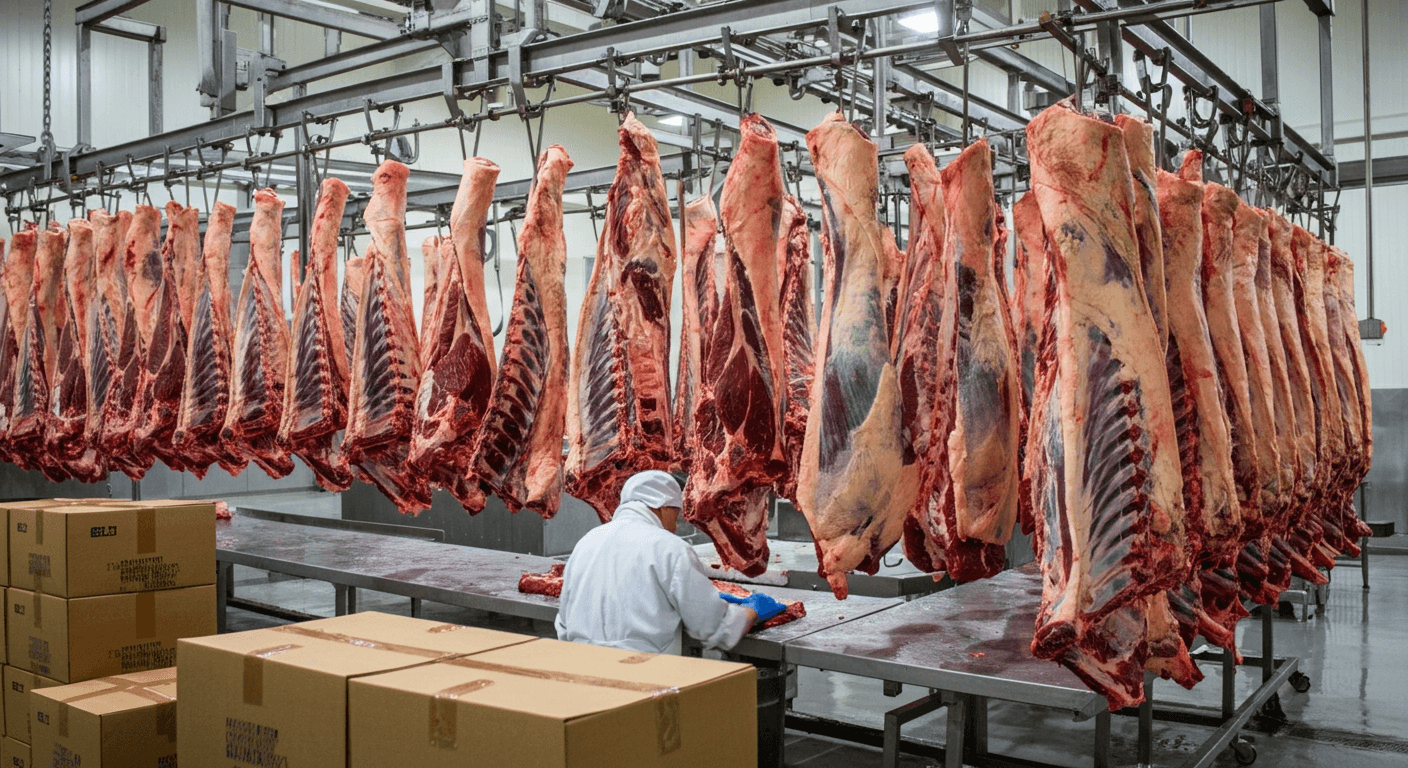
A strategic rush by Brazilian meatpackers to front-load beef exports to China has triggered a domestic supply deficit, driving up retail meat prices in Brazil by more than 10% in the first half of 2026. The export surge was fueled by efforts to beat a looming 55% surcharge imposed by Beijing on imports exceeding a country-specific quota of 1.1 million tons for the year.
Between January and May 2026, Brazil’s beef shipments to China surged 24% year-on-year, accounting for 51% of the country's total beef exports. This aggressive export pace has significantly tightened domestic availability, allowing major processors to expand their margins. On the retail front, all major beef cuts in Brazil registered sharp price increases during the first half of the year, led by breast (up 10.9%) and the premium picanha cut (up 10.66%).
The shifting dynamics come amid varied regional weather conditions across Brazil's agricultural heartland. Over the last seven days, Cascavel (PR) recorded 79.7mm of rain with only 2 dry days, while key agricultural hubs Sorriso (MT), Luís Eduardo Magalhães (BA), and Rio Verde (GO) remained completely dry with 0.0mm of precipitation and 7 dry days.
For global investors tracking major South American meatpackers like JBS (JBSS3), Minerva (BEEF3), and Marfrig (MRFG3), the front-loaded export volumes have provided a strong tailwind to corporate earnings in the short term. However, with the 1.1 million-ton Chinese quota nearing exhaustion, market analysts expect a reallocation of supply in the second half of the year, which could eventually ease domestic price pressures and test the resilience of the sector's export-led margins.