
Brazil Beef Escapes New US Tariffs, Securing Export Edge
The USTR officially excluded Brazilian beef and leather from its new 12.5% tariff, preserving a high-margin trade route amid tight US beef supplies.
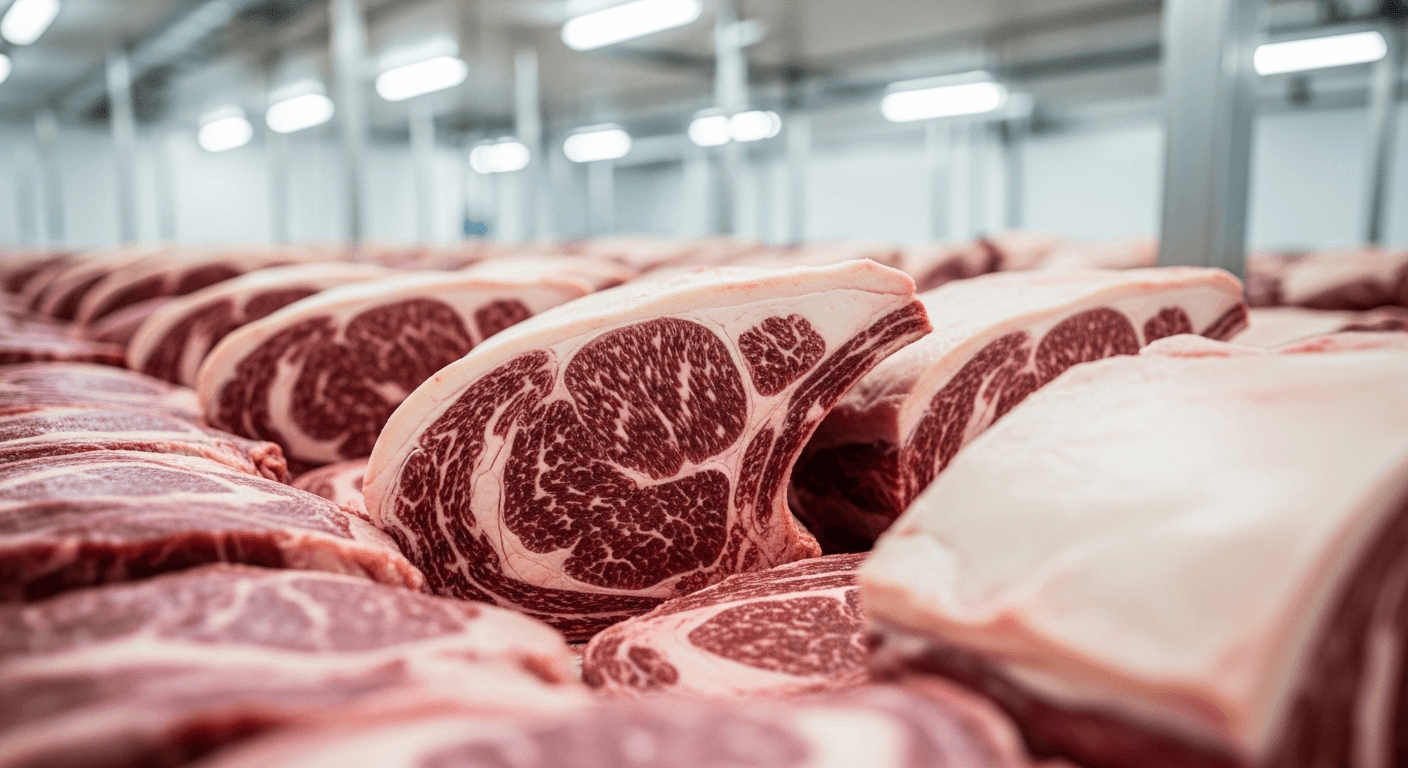
The Office of the United States Trade Representative (USTR) has officially excluded Brazilian beef, hides, and leather from its new 12.5% tariff. The tariff, implemented under Section 301 investigations into forced labor, threatened to severely disrupt bilateral trade. However, the final exemption list released by the USTR ensures that Brazil’s key agricultural exports will continue to access the lucrative North American market under existing trade terms.
This exclusion provides a major boost to Brazil agribusiness, preserving a vital, high-margin export route at a time when global trade tensions are escalating. The decision is highly strategic for the US, which is projected to import a record 2.77 million tons of beef in 2026, up 12% year-over-year. This import surge is driven by a historic contraction in the domestic US cattle herd, which has fallen to its lowest level since 1951 due to prolonged droughts and high feed costs.
For global investors looking to invest in Brazil, the tariff exemption is a significant tailwind for major beef producers. Brazilian meatpacking giants JBS (JBSS3), Minerva (BEEF3), and Marfrig (MRFG3) are well-positioned to capitalize on this decision. Although Brazil’s initial 52,000-ton tariff-free quota for 2026 was depleted in just six days, subsequent shipments remain highly competitive in the US market despite being subject to the standard 26.4% out-of-quota rate.
The export momentum comes as Brazilian weather remains mixed across key agricultural regions. Over the last seven days, Cascavel-PR recorded 26.2mm of rain with 3 dry days, while major agricultural hubs like Luís Eduardo Magalhães-BA, Sorriso-MT, and Rio Verde-GO registered 0.0mm, 0.3mm, and 0.0mm of rain respectively, all experiencing 7 dry days. Meanwhile, the USD BRL currency pair continues to influence export competitiveness, and the broader Brazil ETF (EWZ) remains highly sensitive to agricultural trade flows.