
Brazil Agribusiness Risk Rises as Rural Insurance Budget is Halved
Brazil's rural insurance subsidy (PSR) budget for 2026 was cut by over 50% to R$473.8 million, raising financial risks ahead of a projected El Niño.
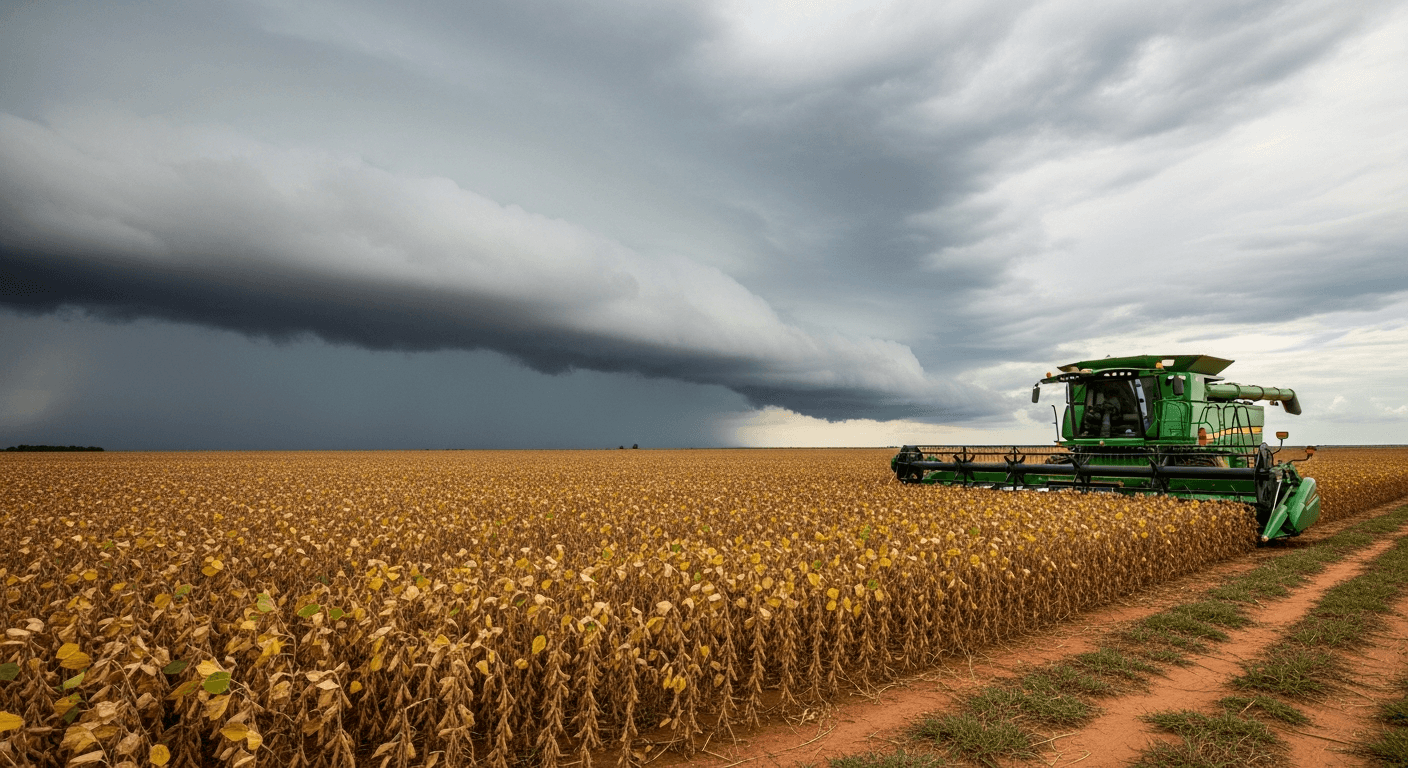
A major fiscal contraction has heightened financial risks across the Brazil agribusiness sector ahead of the 2026/2027 crop year. The federal government has slashed the budget for the Rural Insurance Premium Subsidy Program (PSR) for 2026 by over 50%, leaving only R$473.8 million down from the R$1.01 billion initially planned. This severe funding restriction is projected to shrink the country's total insured agricultural area to just 2.69 million hectares, covering a mere 2.78% of Brazil's total cultivated land.
The mechanism of this budget cut directly threatens the creditworthiness of the agricultural supply chain and increases systemic risk for lenders. Because agricultural credit access under the Plano Safra is increasingly tied to crop protection, the lack of government subsidies forces producers to either absorb the full cost of private premiums or plant entirely uninsured. This vulnerability comes at a critical time, as meteorological models project a potentially strong El Niño weather pattern for the 2026/2027 cycle, which historically triggers severe droughts in northern growing regions and torrential rains in the south.
Global investors tracking the Brazil ETF (EWZ) and the USD BRL exchange rate are closely monitoring how this lack of safety net will affect farm-level defaults and corporate credit. Local agricultural lenders and input providers face heightened exposure to crop failures, which could pressure the broader Brazil stock market today. On the physical side, the lack of risk mitigation is already influencing speculative positioning; current CFTC Commitment of Traders (COT) data shows soybean net longs at 182,923 contracts versus 69,063 shorts, while corn stands at 492,296 longs to 305,046 shorts, reflecting a market highly sensitive to potential South American supply disruptions.
In the fields, localized weather stress is already building. Over the last seven days, key agricultural hubs such as Luís Eduardo Magalhães (Bahia), Sorriso (Mato Grosso), and Rio Verde (Goiás) recorded 0.0 mm of rain with 7 consecutive dry days. Meanwhile, Cascavel (Paraná) registered 18.7 mm of rain with 5 dry days. Moving forward, the market will focus on whether the Ministry of Agriculture can negotiate emergency credit allocations to restore the PSR budget, or if rising default risks will weigh on Brazilian ADRs and the B3 stocks index in the coming quarters.