
B3 Registers First Tokenized Cattle Collateral, Signaling Lower-Risk Rural Credit Via AgTech
B3 logged the first credit operation backed by AI-monitored, tokenized cattle, opening a pathway for de-risked rural credit in Brazil.
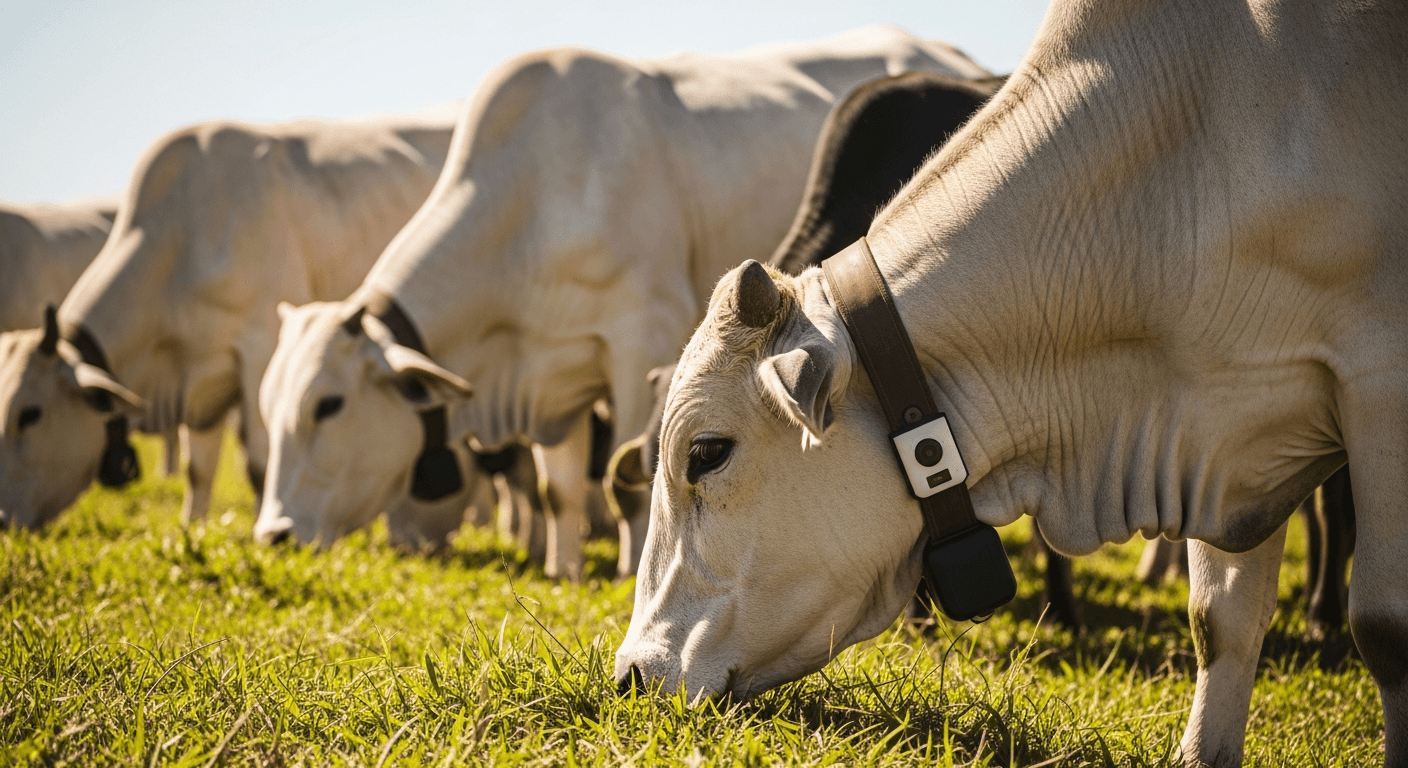
Brazil’s financial markets have registered an unprecedented transaction, with B3—operator of the São Paulo stock exchange (B3SA3)—formally logging a credit operation collateralized by a herd of ten cattle monitored in real-time by Artificial Intelligence (AI) and IoT sensors. The operation marks a key milestone in the digitization of Real World Assets (RWA) in Brazilian finance, offering a model that promises to reduce lending risk and expand access to rural credit for Brazil agribusiness. The transaction, structured by Target FIDC and agtech firm Cowmed, saw a R$100,000 Rural Financial Product Note (CPR-F) secured by the cattle, which were valued at R$120,000, giving the credit instrument a 1.2x collateral ratio.
The mechanism fundamentally addresses the long-standing risk for lenders using livestock as collateral: lack of verifiable, real-time data on the asset’s condition and location. Each cow is fitted with a Cowmed smart collar that continuously tracks health, behavior, and physical location, cryptographically generating a unique, tamper-resistant digital identity tied directly to the credit contract. This digital trail replaces the need for costly and infrequent physical farm inspections, allowing lenders to confirm the collateral’s existence and status immediately. By drastically reducing this collateral uncertainty, the model signals a potential path for lower interest rates and a reduced "haircut" on livestock's value in future credit operations. Furthermore, registering the unique digital identity on the B3 framework prevents "double-pledging," where a single animal might be used to secure multiple loans, a common source of risk in traditional rural credit.
The timing of this AgTech innovation is critical, as the Brazil agribusiness sector faces a tight credit environment, exacerbated by recent weather patterns that increase physical risk. For instance, key agricultural hubs like Luís Eduardo Magalhães in Bahia and Sorriso in Mato Grosso are reporting seven consecutive dry days and zero rainfall in the last week, highlighting current stress in the production cycle. In this environment, any innovation that de-risks financing is highly relevant to investors tracking the flow of capital in the sector. This first official registration of tokenized assets on B3’s infrastructure—even though the assets are not traded as a crypto token but rather as a digitally identified and registered security—demonstrates the exchange's role in migrating traditional finance onto a digital infrastructure.
The market opportunity extends far beyond this pilot herd. Cowmed currently monitors approximately 100,000 cows across a multi-country network, representing an estimated combined herd value of over R$2 billion. The partners project that up to 20% of this monitored herd could be leveraged as tokenized collateral within two years, potentially unlocking R$400 million in new credit. Target FIDC is already assessing four more Brazilian farms for similar operations and targets R$5 million in credit via this model by the end of 2026. This initial, small transaction is a proof-of-concept for the broader digitalization of Real World Assets (RWA) on the B3 platform, aligning with the exchange’s announced plans to launch a comprehensive tokenization platform and a Brazilian real-pegged stablecoin, which would further integrate these new digital assets into the formal capital markets infrastructure.