
B3 Fat Cattle Futures Hit High Volatility After Hitting Peak, October Contract Up 3.56% MoM
Brazil's 'Boi Gordo' futures saw a sharp R$12/@ correction after an intra-month high, signaling short-term uncertainty despite strong long-term fundamentals.
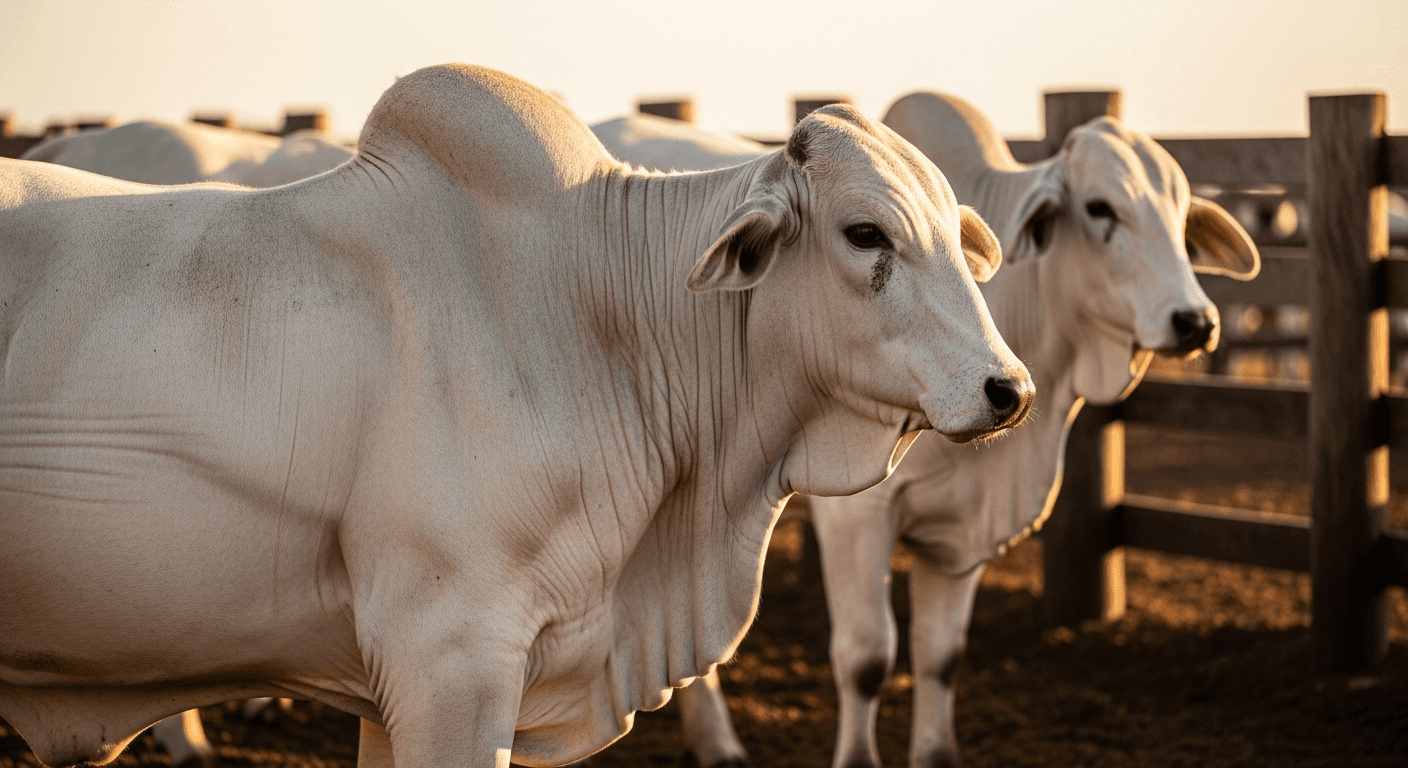
The October 2026 'Boi Gordo' (fat cattle) futures contract on the B3, Brazil’s stock exchange, has shown elevated volatility in late July, experiencing a sharp correction after touching a new high, yet still maintaining strong month-over-month gains. The BGIV26 contract settled at R$354.70 per arroba (15 kg) on July 24th, up 3.56% from its R$342.5/@ close at the end of June. This stability comes despite a rapid reversal from a mid-month peak, underscoring the tension between bullish long-term fundamentals and increased speculative trading activity.
The sharp movement was triggered after the October contract peaked at R$366.9/@ earlier in July, followed by a swift R$12.0/@ correction over just three trading sessions. Market analysis suggests this intense volatility is a direct result of increased liquidity and speculative interest in the October contract, a typical pattern as contract expiry approaches. This short-term profit-taking and technical adjustment occurred even as the underlying physical market remained firm; the spot price for the arroba in São Paulo was R$340.00/@ as of July 27th, supporting the view that the correction was technical rather than fundamental.
Underpinning the longer-term positive outlook are continued supply restrictions and stronger dynamics for Brazilian meatpackers, including key players like JBS. Producers in Brazil are holding animals for longer, restricting the supply of slaughter-ready cattle and keeping meatpacker slaughter schedules short. Furthermore, margins for meatpackers serving the domestic market have improved, rising to 8.7% compared to 7.3% in the prior month, driven by a faster relative decline in the cost of the raw material (fat cattle) compared to the price of the processed carcass. These better margins give the industry more capacity to pay higher prices for cattle, providing a strong floor under the physical market and, consequently, the futures market.
For investors following Brazilian agribusiness, the divergence between the futures price (R$354.70/@) and the spot price (R$340.00/@) indicates a market that is pricing in tighter supply and higher demand toward the end of the year, which is typical for the seasonally tighter fourth quarter. The market’s next signal will come from the rate at which the spot price in São Paulo converges with the B3 futures price, which will test the strength of the bullish expectation. Investors should also monitor any new developments regarding export tariffs, which could alter Chinese demand for Brazilian beef and introduce further short-term volatility.